






Discover how Kona’s unique volcanic terroir, protected heritage designation, and direct farming practices create the world’s most distinctive specialty coffee.
The volcanic slopes of Hawaii’s Kona region produce some of the world’s most distinctive and sought-after coffee. The unique terroir, combining volcanic soil, climate and altitude, creates an environment where coffee plants flourish and develop complex, balanced flavors impossible to replicate elsewhere. When you choose Hula Daddy Kona Coffee, you’re not just purchasing a beverage; you’re experiencing the direct result of geography, tradition and meticulous cultivation that spans generations.
Kona coffee hails from a narrow belt on the western slopes of Mauna Loa, a massive volcano that rises over 13,000 feet above sea level. The elevation places the coffee farms in a sweet spot where morning sun and afternoon clouds create ideal growing conditions. This elevation alone contributes to slower ripening, allowing coffee cherries more time to develop sugars and complex compounds. The volcanic soil, rich in minerals from ancient lava flows, provides coffee plants with nutrients that create the distinctive flavor profile coffee enthusiasts recognize and appreciate. Few coffee-growing regions anywhere on Earth benefit from such favorable natural conditions.
The Volcanic Advantage
Volcanic soil offers properties that make it exceptional for coffee cultivation. The porous, mineral-rich composition allows excellent drainage while retaining sufficient moisture for consistent plant growth. This balance means coffee plants don’t experience stress from waterlogging or drought, both of which can negatively affect bean development. The minerals in volcanic soil, particularly potassium, enhance the plant’s ability to produce flavorful beans. When you brew Hula Daddy Kona Coffee, you’re tasting the direct expression of this mineral-rich foundation.
The Kona climate patterns further distinguish the region. Trade winds bring moisture from the Pacific Ocean to the windward side of Mauna Loa, while the mountain itself blocks much of this moisture from reaching the leeward Kona coast. This rain shadow effect creates relatively dry mornings and wet afternoons, a pattern that has shaped coffee cultivation there for over 150 years. The consistent afternoon rainfall nourishes the plants without creating excessive moisture that invites disease or fungal problems.
Heritage and Tradition
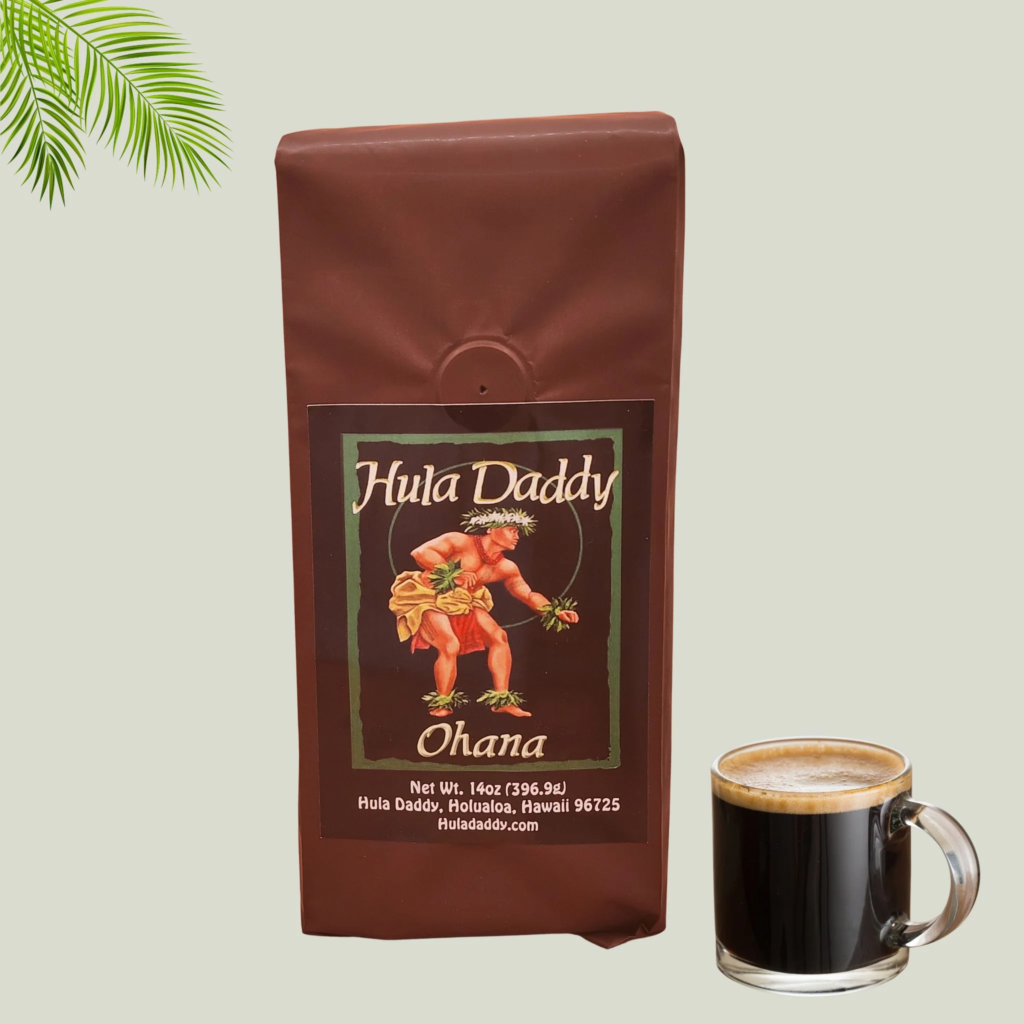
Coffee arrived in Kona in the 1820s and quickly established itself as a crop perfectly suited to the region’s conditions. Kona coffee gained prominence during the 20th century, eventually earning international recognition and acclaim. The designation Kona coffee is legally protected, much like Champagne in France or Bordeaux wines. Coffee labeled as Kona must be grown in the Kona coffee belt and meet strict requirements. This protection ensures that when you purchase Hula Daddy Kona Coffee, you’re receiving beans truly grown on Hawaii’s Big Island, not a blend or imposter.
Quality Standards and Certification
The Kona coffee belt maintains rigorous quality standards. 100% Kona coffee means every bean was grown in the designated region. Some producers offer even stricter classifications, distinguishing between grades based on altitude, processing method and bean size. Higher altitude farms often produce beans with greater acidity and complexity, characteristics prized by specialty coffee consumers. The density of a bean, which relates to growing altitude and conditions, affects extraction during brewing. Denser beans require slightly different brewing parameters than lower-elevation coffees.
Direct from Plantation Philosophy
Many Kona coffee producers, including Hula Daddy Kona Coffee, operate as direct from plantation sources. This approach means the coffee travels from farm to roastery to consumer with minimal intermediaries. Direct farming eliminates several layers of distribution, allowing farmers to maintain quality control from harvest through processing. Direct relationships also mean that premium pricing directly benefits the farmers and their families who dedicate themselves to coffee cultivation. This transparency and direct connection represent a commitment to quality that resonates throughout the supply chain.
Environmental Stewardship
The volcanic landscape of Kona represents a delicate ecosystem. Coffee farmers in the region work to balance agricultural productivity with environmental preservation. Shade-grown coffee farms maintain native vegetation and support local bird populations. Many Kona producers employ sustainable practices including water conservation, composting and natural pest management. These practices preserve the terroir that makes Kona coffee distinctive while protecting the land for future generations. When you purchase Hula Daddy Kona Coffee, you’re supporting farmers committed to long-term environmental stewardship of one of the world’s most unique coffee regions.
- The Kona coffee belt elevation and volcanic soil create mineral-rich growing conditions found nowhere else on Earth for coffee cultivation
- Trade wind patterns and rain shadow effects produce consistent afternoon moisture without excessive wetness that causes disease problems
- Legal protections ensure that Kona coffee designation means beans were genuinely grown in the protected Kona region, not blended or substituted
- Direct from plantation sourcing connects consumers directly to farming families, eliminating intermediaries and ensuring quality control
- Sustainable farming practices preserve the unique Kona ecosystem while producing exceptional coffee for future generations to enjoy
The story of Kona coffee is inseparable from the volcanic landscape that shaped it. From the mineral-rich soil to the protective mountain slopes, every element contributes to the cup’s character. Understanding this context deepens appreciation for what makes Hula Daddy Kona Coffee remarkable. The next time you brew a cup, remember the volcano, the climate and the farmers whose dedication preserved this coffee tradition.