



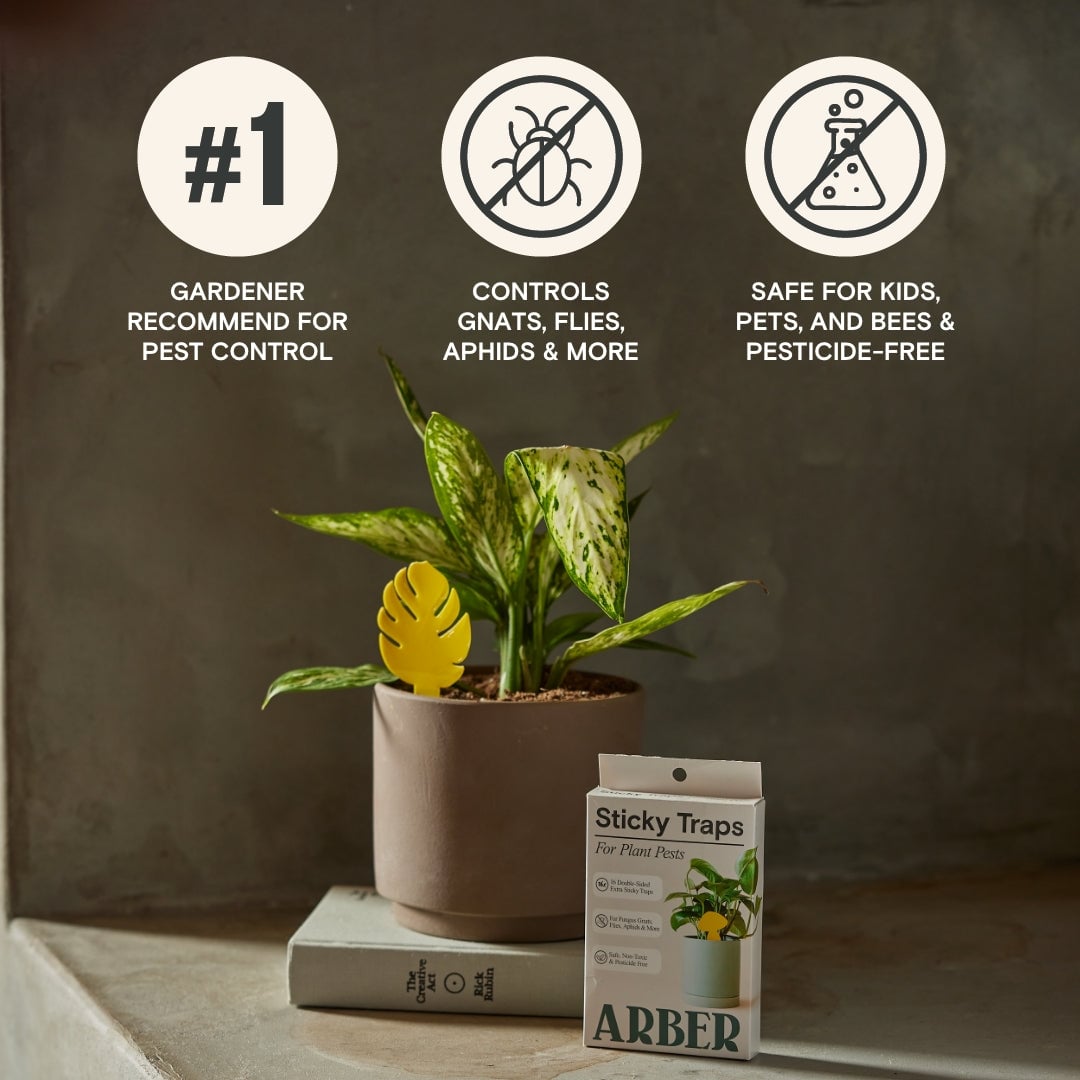
Winter brings dry heated air, shorter days, and pest surges that put indoor plants under real strain, and growarber.com’s seasonal kits and organic treatments are built to address each of those stressors directly.
Indoor plants that sailed through warmer months without complaint often start dropping leaves, attracting gnats, or developing spots once the heat clicks on and the daylight hours shrink. Winter changes the environment inside a home as much as outside it, and houseplants feel every bit of that shift. Seasonal bundles and targeted organic treatments have become a practical way to meet those changes before they turn into bigger problems.
Why Winter Stresses Indoor Houseplants
Shorter days mean less available light for photosynthesis, which slows growth and makes plants more vulnerable to stress overall. At the same time, central heating pulls moisture out of the air, leaving foliage dry and roots sitting in soil that dries out faster than usual. Temperature swings near drafty windows or doors add another layer of strain, and indoor conditions that stay warm and dry for months at a stretch happen to be exactly what pests like spider mites prefer. Fungal issues also tend to surface in low-light months, since plants under stress have a harder time resisting disease.
The Houseplant Survival Kit: Complete Cold-Season Protection
growarber.com addresses this seasonal shift directly with the Houseplant Survival Kit, described as a complete care bundle built to protect, nourish, and strengthen plants through fall and winter. The kit is positioned around the specific combination of shorter days and cooler, drier air that puts indoor plants under added pressure during the season. Rather than treating a single symptom, it bundles multiple forms of support so that light stress, dryness, and weakened immunity are addressed together instead of one at a time.
Managing Spider Mites and Winter Pests in Heated Homes
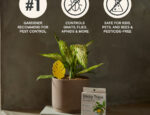
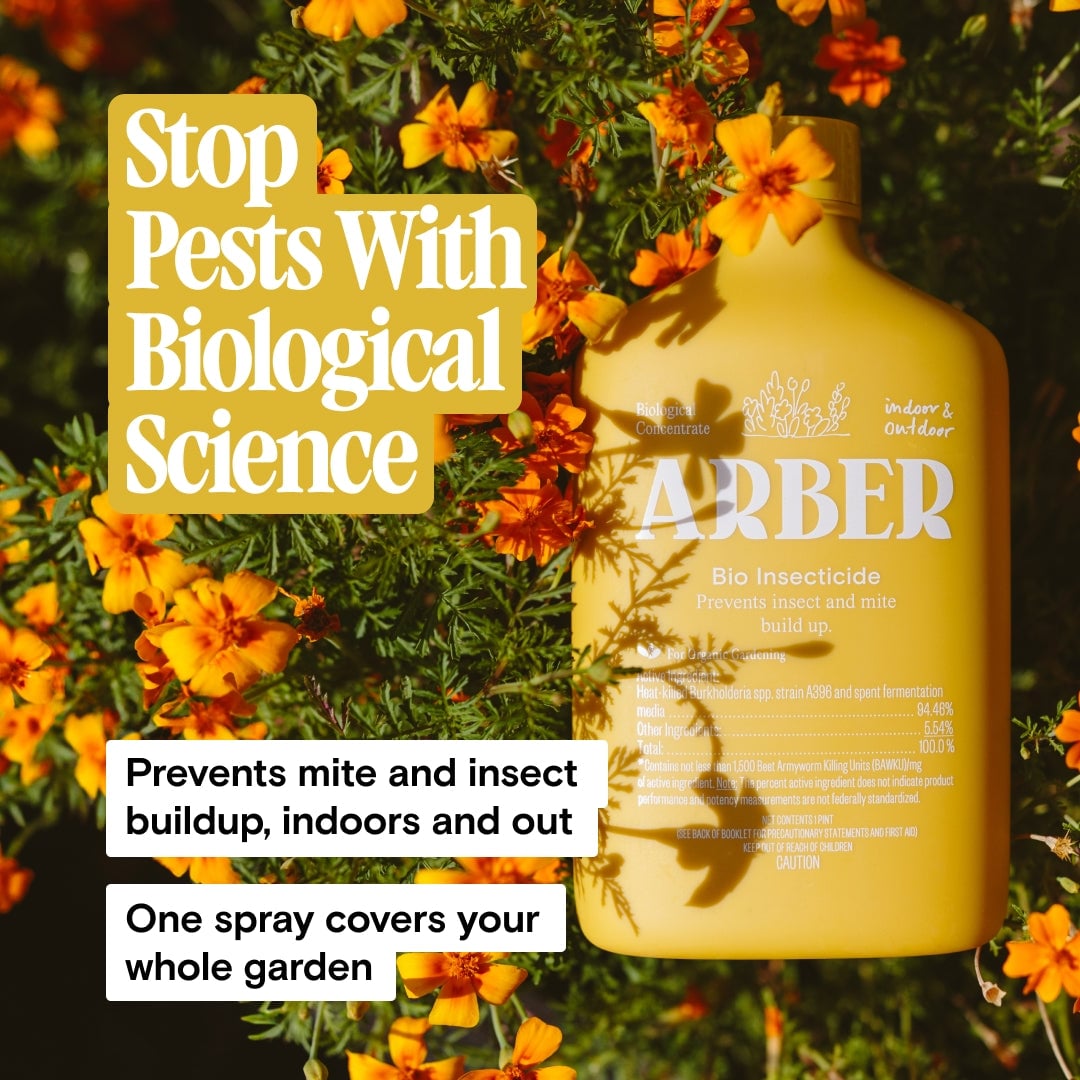
Central heating creates a microclimate that spider mites and similar pests tend to favor, and infestations often spread faster indoors during winter than they would outside in cooler, more humid air. growarber.com‘s Organic Bio Insecticide is formulated to prevent insect and mite buildup and to suppress soil-dwelling pests using a formulation built around good bacteria described as harmless to beneficial insects and pollinators. For households dealing specifically with aphids, the Aphid Fighter Bundle pairs that same insecticide with additional support aimed at soft-bodied pests. The brand’s Pest Control Kit extends this further, targeting spider mites, thrips, and whiteflies alongside a nutrient boost meant to help the plant recover from the infestation itself.
Disease Prevention with Organic Bio Fungicide During Low-Light Months

Lower light levels in winter slow a plant’s natural defenses, and that opening is often where fungal problems take hold. The Organic Bio Fungicide from growarber.com is built to address this kind of seasonal vulnerability, forming part of the brand’s broader disease and fungus control lineup alongside named concerns like root rot, powdery mildew, and leaf spot. For plants already dealing with fungus gnats, the Fungus Gnat Fighter Bundle combines the Organic Bio Fungicide with the Organic Bio Insecticide, aiming to interrupt gnats at multiple points in their lifecycle rather than treating the adult insects alone.
The Fall Overwintering Defense Kit for Transitioning Outdoor Plants Indoors
Moving outdoor plants inside for the cold season is its own category of risk, since a plant accustomed to open air and natural humidity suddenly meets dry, heated indoor conditions. The Fall Overwintering Defense Kit was built for exactly that transition, noting that bringing outdoor plants inside while running central heating creates what the brand describes as a severe artificial microclimate, one that combines dry warm air favored by spider mites with winter light levels that weaken a plant’s natural resistance. The kit is framed as a direct response to that dual pressure rather than a general-purpose winter product.
- Dry air from indoor heating pulls moisture from foliage faster than roots can replace it, a stressor the Houseplant Survival Kit is built to offset through its combined nourishment and protection approach.
- Reduced light exposure during shorter days slows a plant’s internal defenses, which is part of why the Organic Bio Fungicide is positioned as a cold-season essential rather than an occasional treatment.
- Temperature fluctuations near windows or heating vents place additional physical stress on plants already adjusting to a new environment.
- Pest population surges, particularly spider mites, are common in the warm dry conditions that heated homes create, which the Organic Bio Insecticide and Pest Control Kit are formulated to suppress.
- Fungal disease risk rises as plants weakened by low light become easier targets, a concern the Fall Overwintering Defense Kit addresses specifically for plants transitioning from outdoor to indoor conditions.
Building a Year-Round Routine with the Organic Indoor Kit
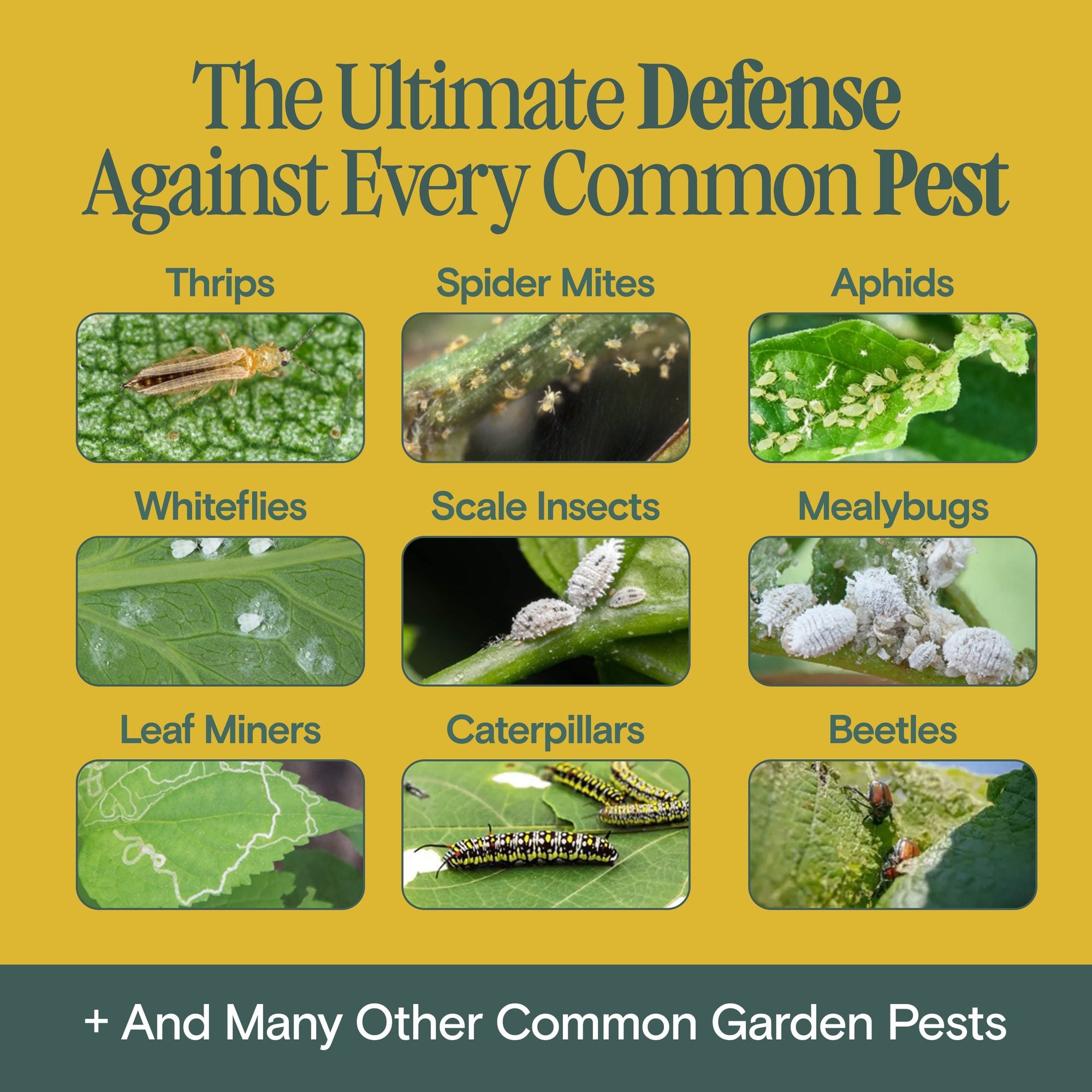
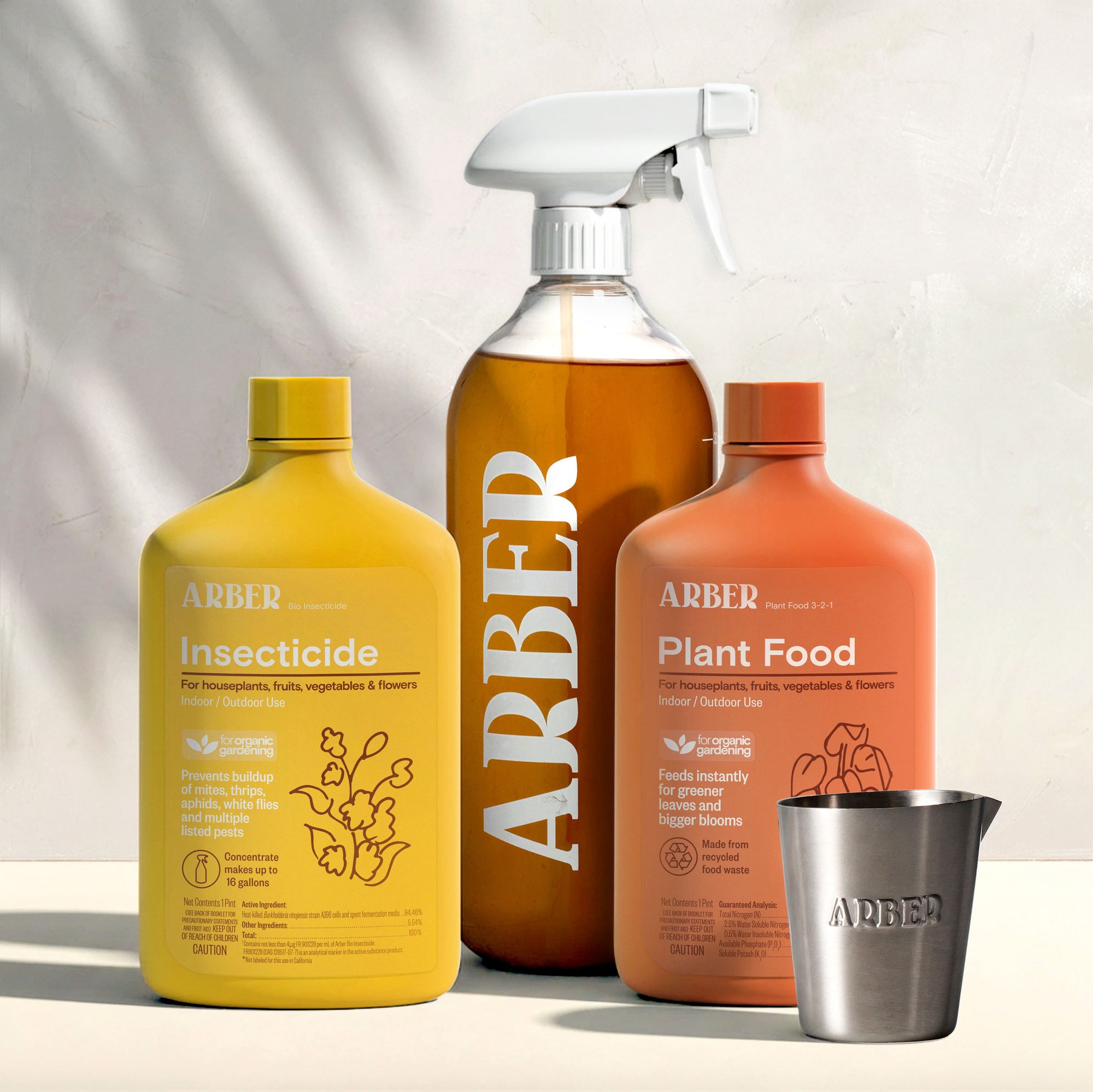
Winter protection works best as part of a routine rather than a single seasonal purchase, and the Organic Indoor Kit from growarber.com is built with that continuity in mind. It includes a full-sized Organic Plant Food, Organic Bio Fungicide, Organic Bio Insecticide, a 32oz spray bottle, and a 2oz measuring cup, covering nutrition, disease prevention, and pest control in one bundle. For households managing several houseplants at once, the Houseplant Parent Bundle offers a similarly structured set of organic essentials aimed at keeping plants free of pests and disease across the full growing calendar, not just the colder months. Together, these bundles let a plant care routine extend smoothly from the stress of winter into the rest of the year without switching products entirely.
Indoor plants depend on consistent conditions year-round, and growarber.com‘s seasonal and year-round kits are designed to provide that consistency without requiring separate purchases each time a new problem appears. Winter will keep testing indoor plants with dry air, dim light, and the occasional pest surge, but a seasonal routine built around organic treatment and consistent feeding tends to carry a collection through those months with far less drama.