



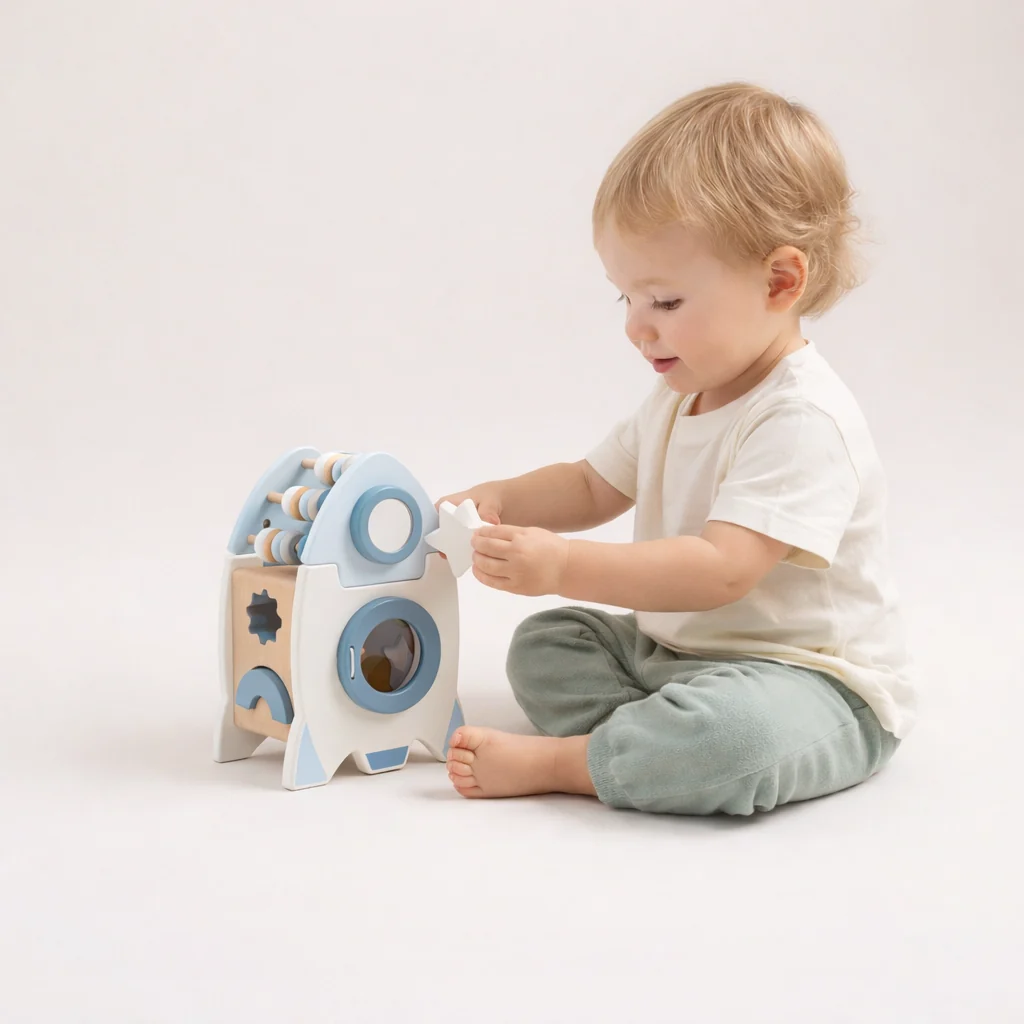
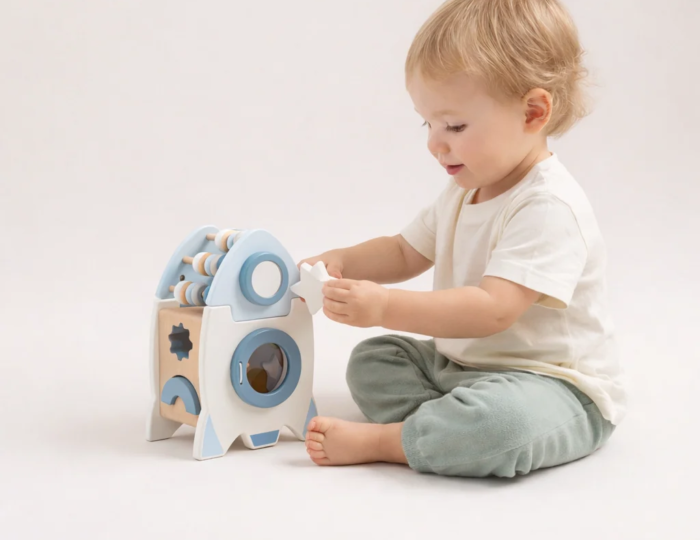
Children learn constantly through movement, curiosity, repetition, imagination, and hands-on discovery. The toys surrounding them can therefore do much more than provide a few minutes of entertainment. Carefully selected play materials can encourage problem solving, coordination, creativity, independence, and concentration while still feeling fun. The Best Kids Toys brings together educational and Montessori-inspired toys across different ages and play styles, giving parents and gift buyers a broad range of options for more purposeful play.
The collection stretches from baby and toddler toys to magnetic train sets, sensory products, puzzles, remote-control toys, life-skills activities, outdoor toys, and STEM-focused designs. Products are organised by age as well as category, making it easier to find something appropriate for a child’s developmental stage rather than choosing a toy based only on appearance.
Key Points
- Toys are organised for children from infancy through age five and beyond.
- Montessori-inspired products encourage hands-on and independent play.
- STEM toys introduce problem solving, construction, and cause-and-effect learning.
- Sensory and busy toys provide engaging activities for younger children.
- Outdoor and remote-control toys add movement and active play to the collection.
- Open-ended toys encourage children to explore different ways of using the same product.
Learning Through Hands-On Play
Educational toys work best when children remain actively involved. Pressing a button and watching a screen requires a very different level of engagement from building a track, arranging pieces, matching shapes, solving a puzzle, or experimenting with how objects fit together.
The Best Kids Toys places a strong emphasis on Montessori-inspired and screen-free play. The retailer’s categories include busy toys, Montessori STEM toys, open-ended toys, life-skills toys, puzzles, brain games, books, and other interactive products.
This variety allows different abilities to develop naturally through play. A shape or matching activity can introduce visual recognition and fine motor control. Building toys encourage planning and spatial reasoning. Pretend-play products can develop communication and imagination, while practical life toys can introduce everyday tasks in a child-friendly format.
Independent play is another valuable element. Toys with clear but flexible purposes allow children to explore without needing an adult to demonstrate every movement. This does not mean children should always play alone. Instead, good design can create opportunities for them to test ideas, make mistakes, and discover solutions at their own pace.
The right level of challenge matters. If a toy is too simple, interest may disappear quickly. If it is far beyond a child’s developmental abilities, frustration may replace enjoyment. Shopping by age can help narrow the selection before parents consider the individual child’s interests and skills.
From Magnetic Trains to STEM and Sensory Toys
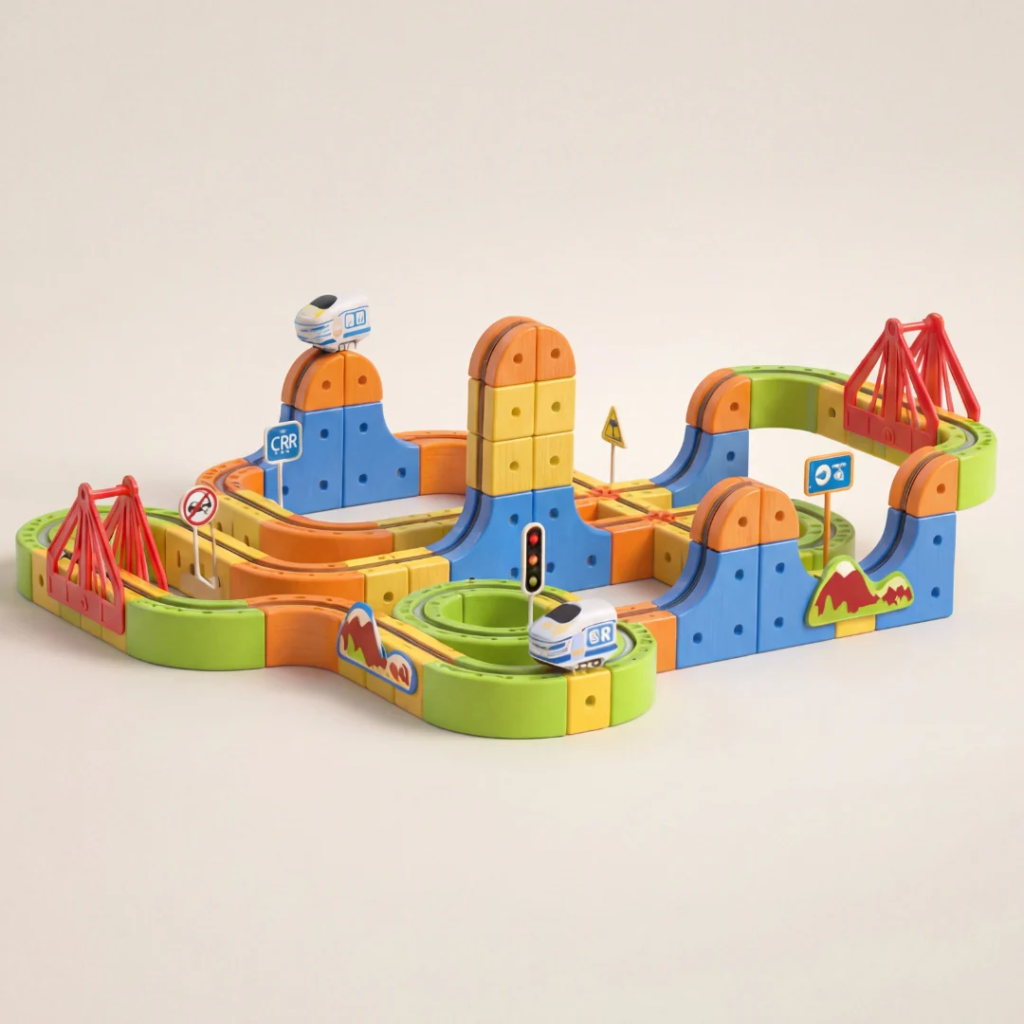
The product selection goes well beyond traditional wooden puzzles. One of the retailer’s prominent products is the Infinity Racer Magnetic Train, which combines moving parts and track-style play in a design children can rearrange and expand. Related sets and add-ons give families opportunities to build larger play configurations over time.
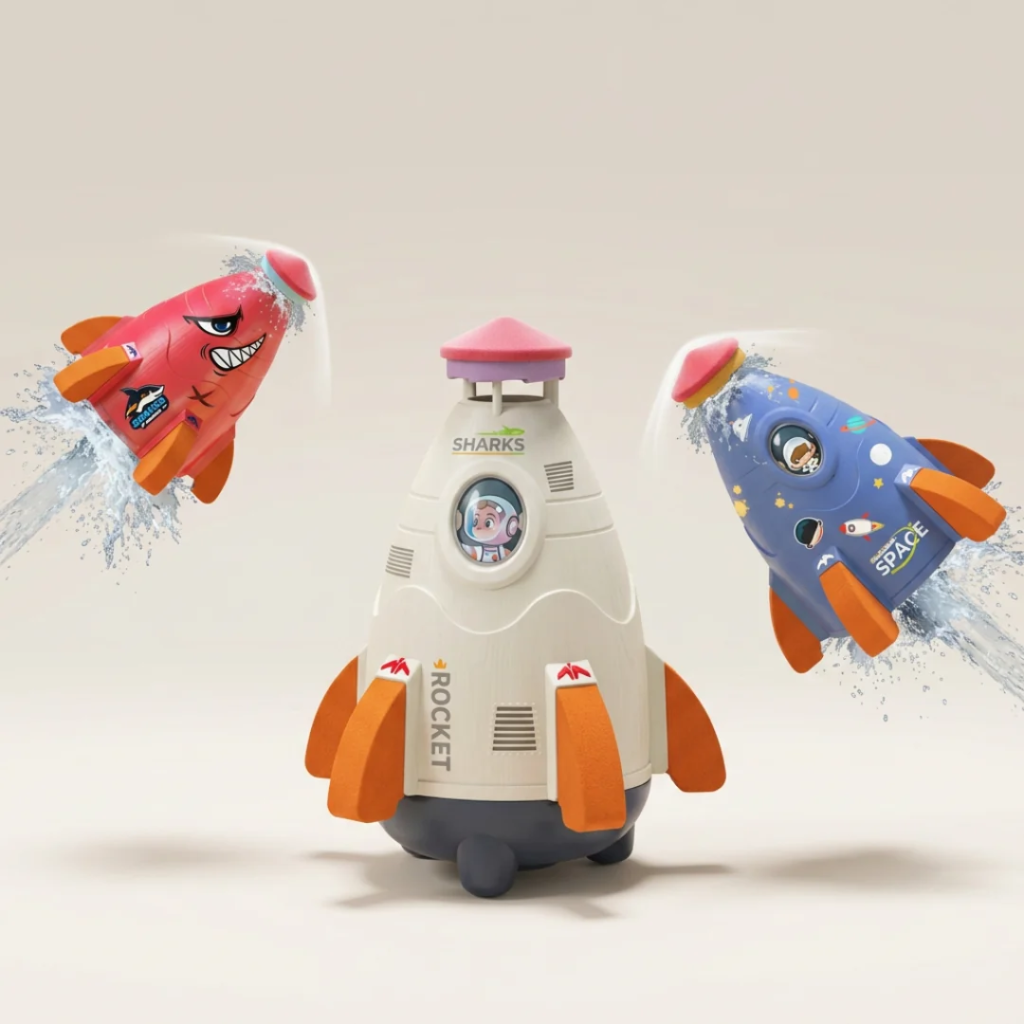
Other products include remote-control vehicles, foam flying toys, domino builders, sensory toys, plush products, outdoor activities, and dinosaur-themed options. The Best Kids Toys also carries products designed around practical life skills and open-ended play.
STEM-focused toys can be particularly valuable when they turn abstract concepts into something children can physically manipulate. Building, balancing, connecting, testing, and rearranging pieces allow children to encounter basic ideas relating to engineering and problem solving without turning play into a formal lesson.
Sensory products serve a different purpose. Textures, movement, sounds, colours, and repetitive actions can create engaging experiences for younger children. Busy toys can also provide several small activities within one product, which may be useful during travel or quieter periods at home.
Open-ended toys offer perhaps the greatest flexibility. Instead of having one fixed outcome, they allow children to invent new games and uses. A building set, for example, can become a tower during one session and an imaginary vehicle during another.
Choosing Toys According to Age and Play Style
Parents often benefit from beginning with the child’s developmental stage and then narrowing the choice according to interests.
Useful categories to consider include
- Baby toys that focus on simple sensory exploration and early motor skills.
- Toddler toys that encourage stacking, matching, movement, and coordination.
- Montessori-style toys designed around practical hands-on learning.
- STEM products involving building, testing, or problem solving.
- Open-ended toys that can be used in several imaginative ways.
- Outdoor toys that encourage movement away from screens and indoor spaces.
The Best Kids Toys separates products into age groups including birth to twelve months, twelve to twenty-four months, two to three years, three to four years, four to five years, and five years and older.
Age guidance is helpful, but it should not replace parental judgement. Children develop at different rates, and a child who already enjoys detailed puzzles may be comfortable with something aimed slightly higher, while another may prefer a simpler activity.
Safety remains essential. Small pieces, batteries, magnets, cords, and moving components require particular attention. Parents should always check individual product instructions and age recommendations rather than relying only on general category labels.
Pros and Cons of Educational Toys
One of the strongest benefits of educational toys is that learning can happen naturally while a child is having fun. Children do not need every activity to feel like school in order to practise concentration, coordination, reasoning, or creativity.
Montessori-inspired products can also encourage independence by giving children activities they can explore through repetition and experimentation. Open-ended toys tend to offer good play value because they can be used differently as imagination develops.
A broad selection is useful for families with children of different ages. Parents can find infant products, toddler activities, outdoor toys, puzzles, and more advanced STEM designs through the same retailer.
There are also considerations. A toy labelled educational is not automatically appropriate for every child. Some products may hold attention for much longer than others, and developmental marketing should never be interpreted as a guarantee that one toy will produce a particular skill.
Storage can become another issue. Larger train sets, building products, and multi-piece toys need somewhere to go after playtime. Parents may therefore prefer fewer versatile toys rather than repeatedly buying products that perform similar functions.
Adult supervision can also remain necessary depending on age and product type, especially where smaller parts or electronic components are involved.
Building a Better Play Environment at Home
Creating meaningful play does not require filling a room with toys. A smaller selection of well-chosen products can sometimes encourage children to engage more deeply because they are not overwhelmed by constant choice.
The Best Kids Toys makes it possible to combine different kinds of activities rather than purchasing several toys that all encourage the same skill. A home play area might include one construction activity, one puzzle, a pretend-play item, and something designed for movement.
Rotating toys can also keep familiar products interesting. Some items can be stored temporarily and brought back later, giving children the feeling of rediscovery without requiring another purchase.
Adults can participate without taking control. Asking a child how a structure works or what they are building can encourage communication while still allowing the child to lead the activity.
The objective is not to make every minute educational. Good toys simply create opportunities for curiosity, creativity, movement, and problem solving while allowing play to remain enjoyable.
Conclusion
The best children’s toys balance entertainment with opportunities to explore and learn. Magnetic trains, Montessori activities, STEM toys, sensory products, puzzles, outdoor toys, and open-ended designs all provide different ways for children to develop through play.
With products organised around age and play style, The Best Kids Toys gives families numerous ways to create more purposeful screen-free playtime. By considering age, safety, interests, and long-term play value before buying, parents can choose toys that remain engaging while supporting children’s natural curiosity and independence.