






Discover how to find stunning, sophisticated watches without breaking the bank. Learn what defines luxury timepieces, explore budget-friendly options, and build a collection that combines style with smart value.
Glossy paint and polished wheels show both good care and small mistakes very quickly. Dust, fingerprints, water spots and brake residue can interrupt reflections long before a vehicle is dirty enough for another full wash. The temptation is to keep wiping every mark as soon as it appears, but repeated dry wiping is one of the easiest ways to create fine scratches and haze. A better between-wash routine focuses on removing only light contamination, using clean materials and knowing when the car is too dirty for a quick touch-up.
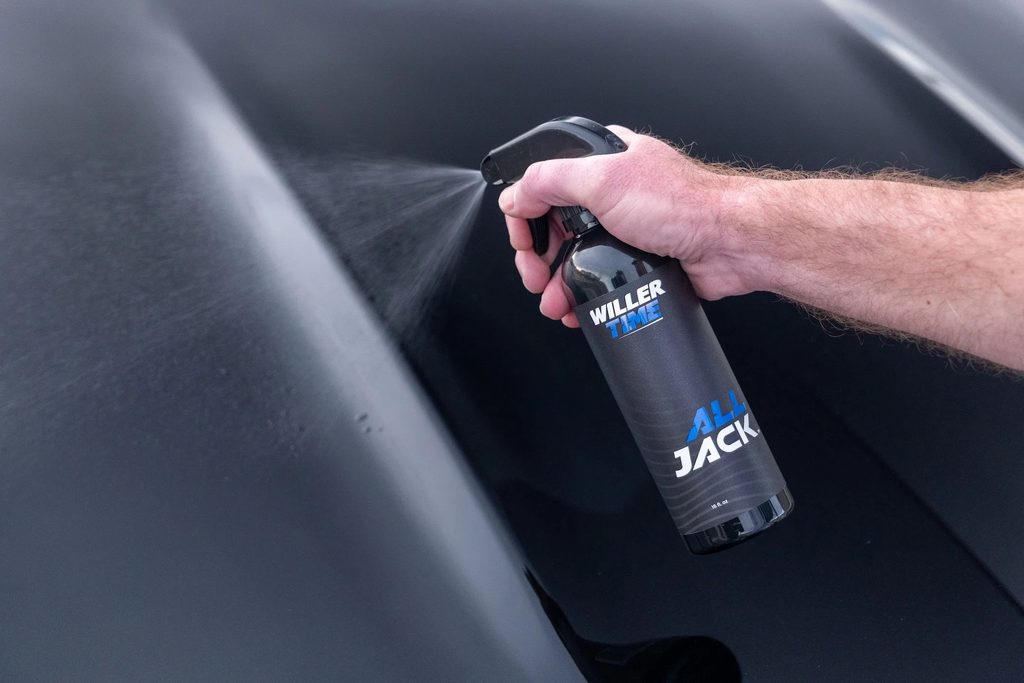
Products from Willertime are built around this kind of fast maintenance. The brand’s All Jack detail spray is positioned for clear-coated paint, wheels, trim and tires, while its microfiber towels are intended for gentle wiping and buffing. Used correctly, tools like these can help maintain gloss without turning every minor mark into a full detailing project.
Gloss Depends on What Happens Before the Wipe
A glossy finish reflects light cleanly when the surface is smooth and free from residue. That makes preparation essential. If the paint is carrying visible grit, dried mud or heavy road film, a quick spray-and-wipe session is the wrong starting point. Those particles can be dragged across the surface and create fine marks that become especially obvious under direct sun or garage lighting.
The safer approach is to inspect the surface first. Light dust, fingerprints and isolated water marks may be suitable for a detail spray. Heavier contamination calls for a conventional wash. The same judgment applies to wheels, where brake dust can be abrasive. Willertime describes All Jack as suitable for painted and powder-coated wheels, but it also advises against careless use on brake components, hot surfaces and untested finishes. That distinction matters because a maintenance product works best when the driver respects its limits.
Work Small and Keep the Towel Moving
Technique becomes more important on dark paint because smears and towel marks are easier to see. A light mist over a manageable section is usually more controlled than saturating an entire panel. The first towel pass lifts light contamination, while a clean dry surface completes the buff. Folding a microfiber towel into quarters gives the user several fresh faces and makes it easier to stop using a section once it looks dirty.
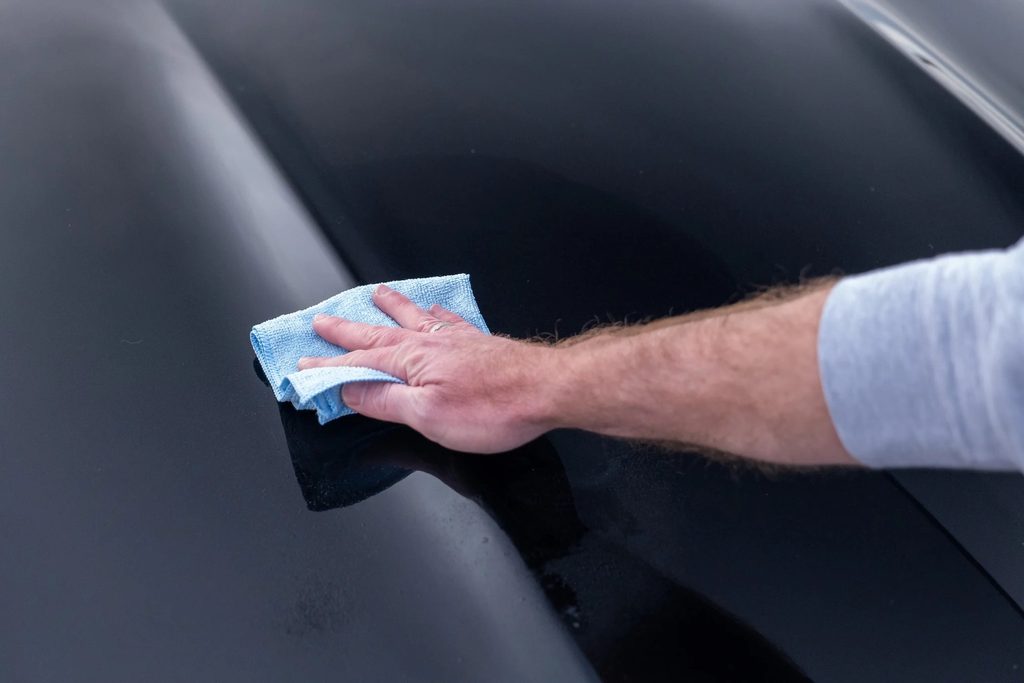
The same method can be adapted for glossy wheels. Instead of using one towel around the entire vehicle, the wheel towel should remain dedicated to that job. Once brake dust and road residue have transferred into the fibers, that cloth should not be taken back to the hood or doors. A clean separation between wheel towels and paint towels is one of the simplest ways to protect the finish.
A product such as Willertime All Jack can make the workflow faster because the driver does not have to switch formulas for every compatible surface. The convenience, however, comes from the combination of product and technique. Even a good detail spray cannot compensate for a contaminated towel or aggressive wiping.
A Better Between-Wash Checklist
The most effective routine is short enough to be realistic and cautious enough to avoid creating more work later.
- The surface should be cool to the touch before any quick-detail product is applied.
- Visible grit or heavy grime should trigger a proper wash rather than a wipe-down.
- Paint, wheels and interior areas should have separate microfiber towels whenever possible.
- The towel should be flipped frequently so contamination is not dragged over a large area.
- The final buff should use a clean dry towel face to remove residue and restore a clear reflection.
This kind of process is easy to remember, which makes it more likely to become part of normal vehicle care. Willertime sells 16-by-16-inch microfiber towels in a 12-pack, a format that suits the idea of keeping enough clean cloths available for separate tasks instead of trying to finish an entire car with one increasingly dirty towel.
Protect the Finish by Knowing When to Stop
There is a point where continuing to wipe becomes counterproductive. If a towel begins to feel grabby, if the panel still looks dusty after the first pass or if the wheel surface carries thick brake residue, the quick detail should stop. A rinse and wash will be safer. Drivers sometimes create swirls not because they used the wrong product but because they tried to stretch a light-maintenance method into a heavy-cleaning job.
Storage and laundry habits also affect the result. Microfiber towels should be kept away from dirt and sharp debris, washed without fabric softener and dried in a way that preserves the fibers. Towels used for the dirtiest jobs can gradually be retired from paint duty and reassigned to wheels, door jambs or general garage work.
The value of a brand such as Willertime is easiest to see when its products are treated as part of a process rather than a shortcut around good detailing habits. Clean towels, light pressure, controlled application and realistic judgment about surface condition do most of the protective work. When those habits are consistent, glossy paint and wheels can stay presentable for longer without unnecessary full washes or frantic last-minute polishing.