





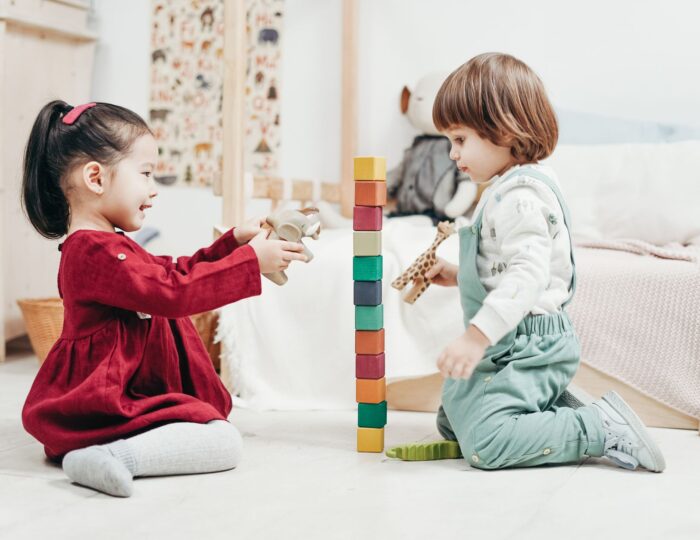
Tinyland toys grow with your child—from sensory toddler exploration through school-age mastery, supporting every developmental stage without obsolescence.
Parenting is a progression of stages, and your child’s toys should evolve with them. Buy toys that serve only one developmental phase and you’ve locked money into something they’ll outgrow in months. Tinyland understands this reality by creating toys that adapt to your child’s developing capabilities and shifting interests.
The Toddler Years: Sensory Exploration
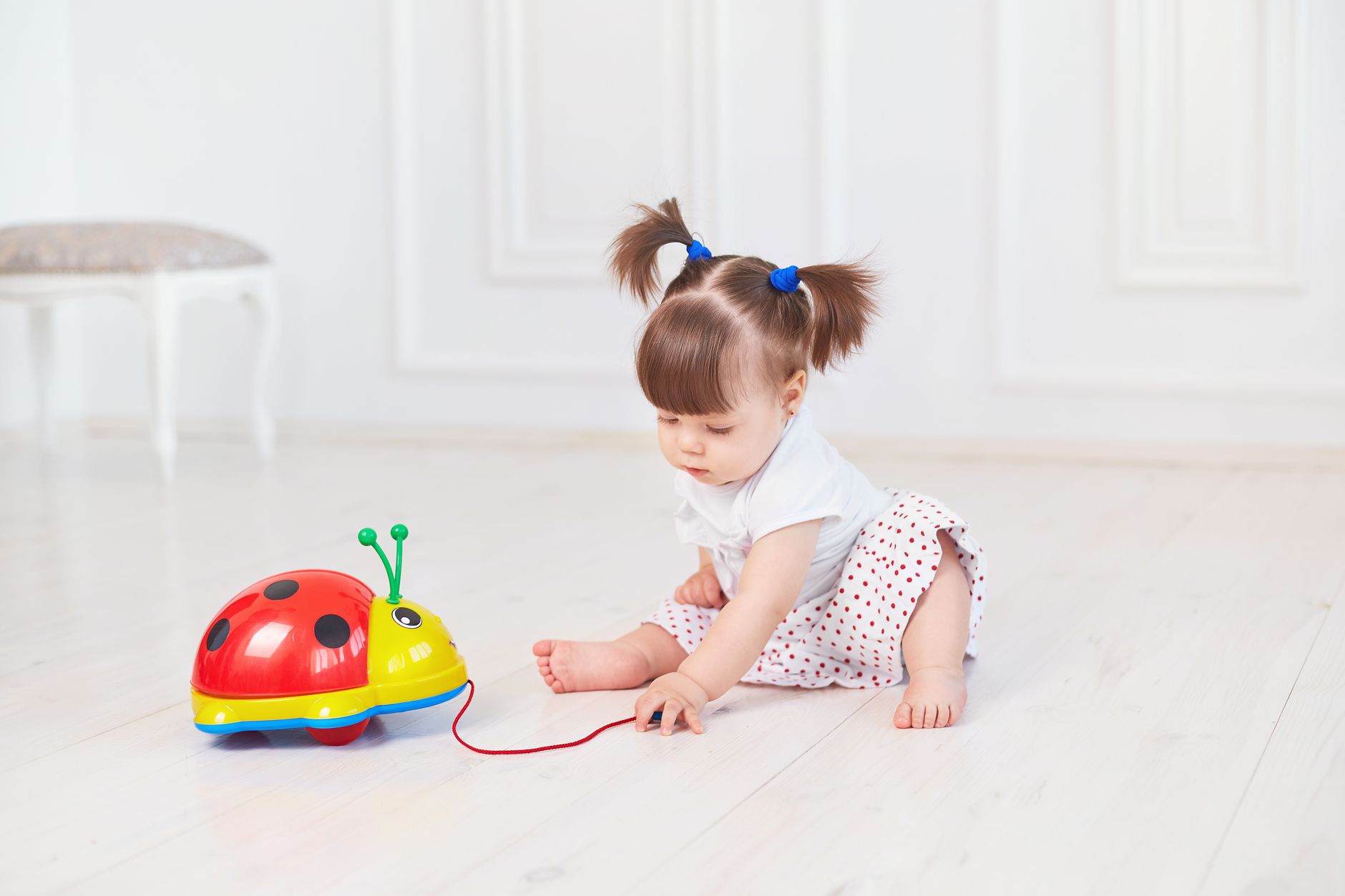
Toddlers learn by touching, tasting, and experiencing. They don’t have long attention spans, but they’re endlessly fascinated by textures, colors, and cause-and-effect relationships. Tinyland toys at this stage are safe, durable, and designed for a toddler’s investigative approach to the world.
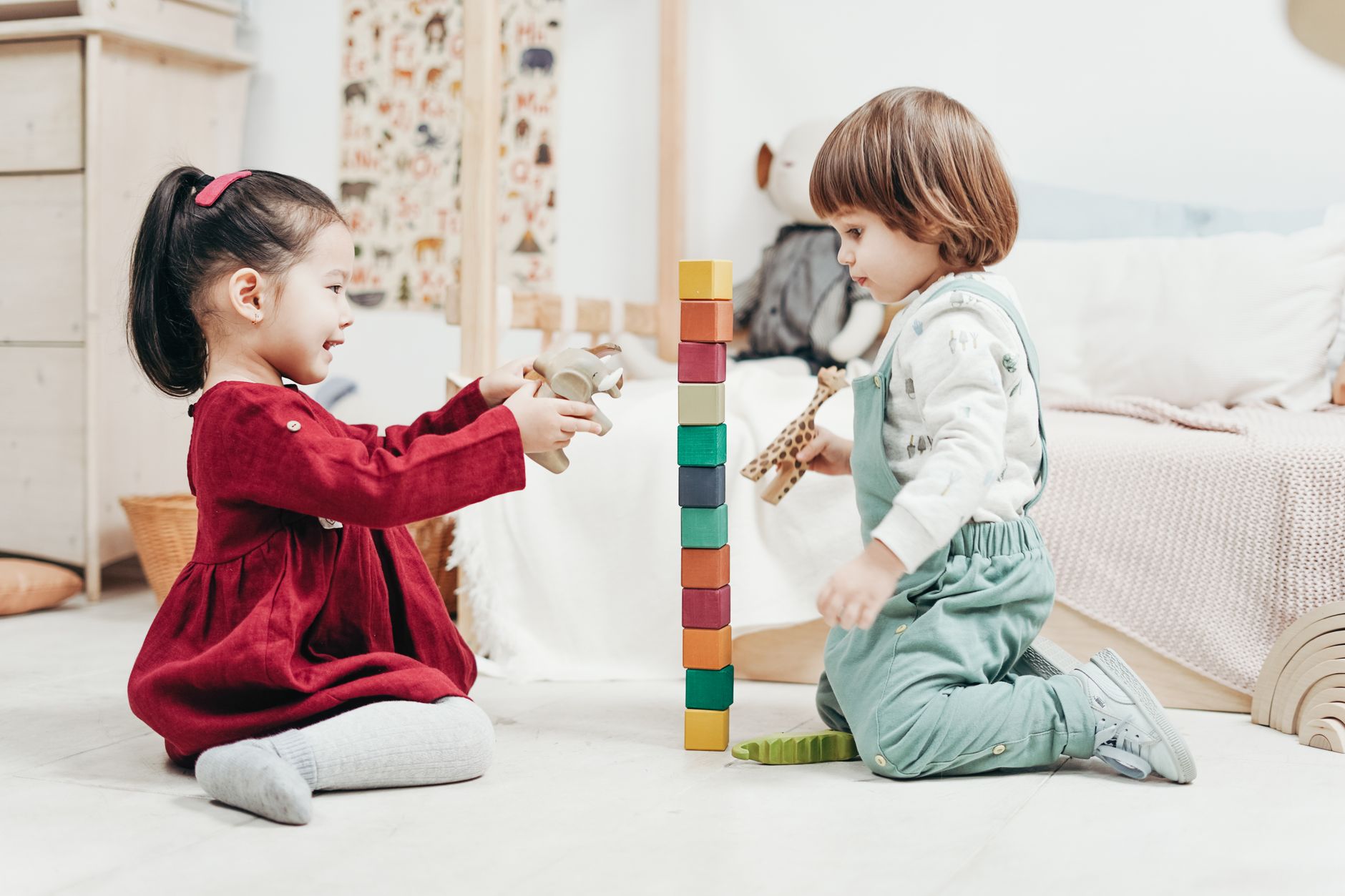
But here’s where Tinyland gets smart: these same toys remain interesting to older children because they’re fundamentally simple. A block isn’t just for stacking as a toddler—it becomes architecture material for a preschooler and engineering tool for a school-age child.
Preschool: Imaginative Play Takes Over
Around age three, your child’s brain explodes with imaginative capacity. They can pretend, create narratives, and sustain complex play scenarios. Tinyland toys transition naturally into this phase because they support pretend play without limiting it.
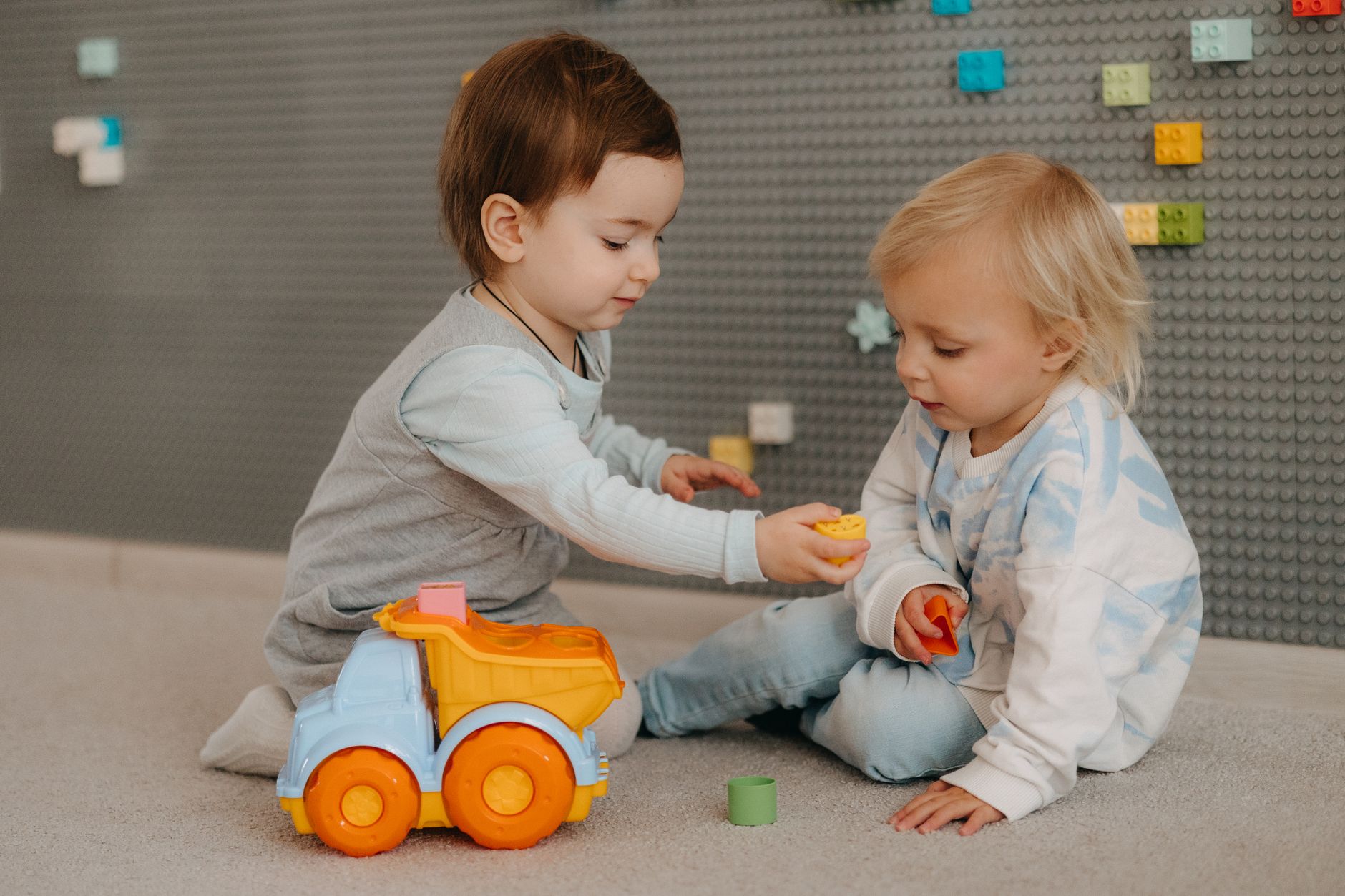
A Tinyland block tower becomes a castle. Blocks become terrain for toy vehicles. Wooden pieces become trading goods for imaginary commerce. The toy doesn’t prescribe what it is—your child determines that. This flexibility is where imagination lives.
Social Play: Learning Through Collaboration
As children grow, playing alone becomes less interesting than playing together. Tinyland toys facilitate cooperative play naturally. Two children can build together without competing, negotiate shared goals, and create something neither could alone.
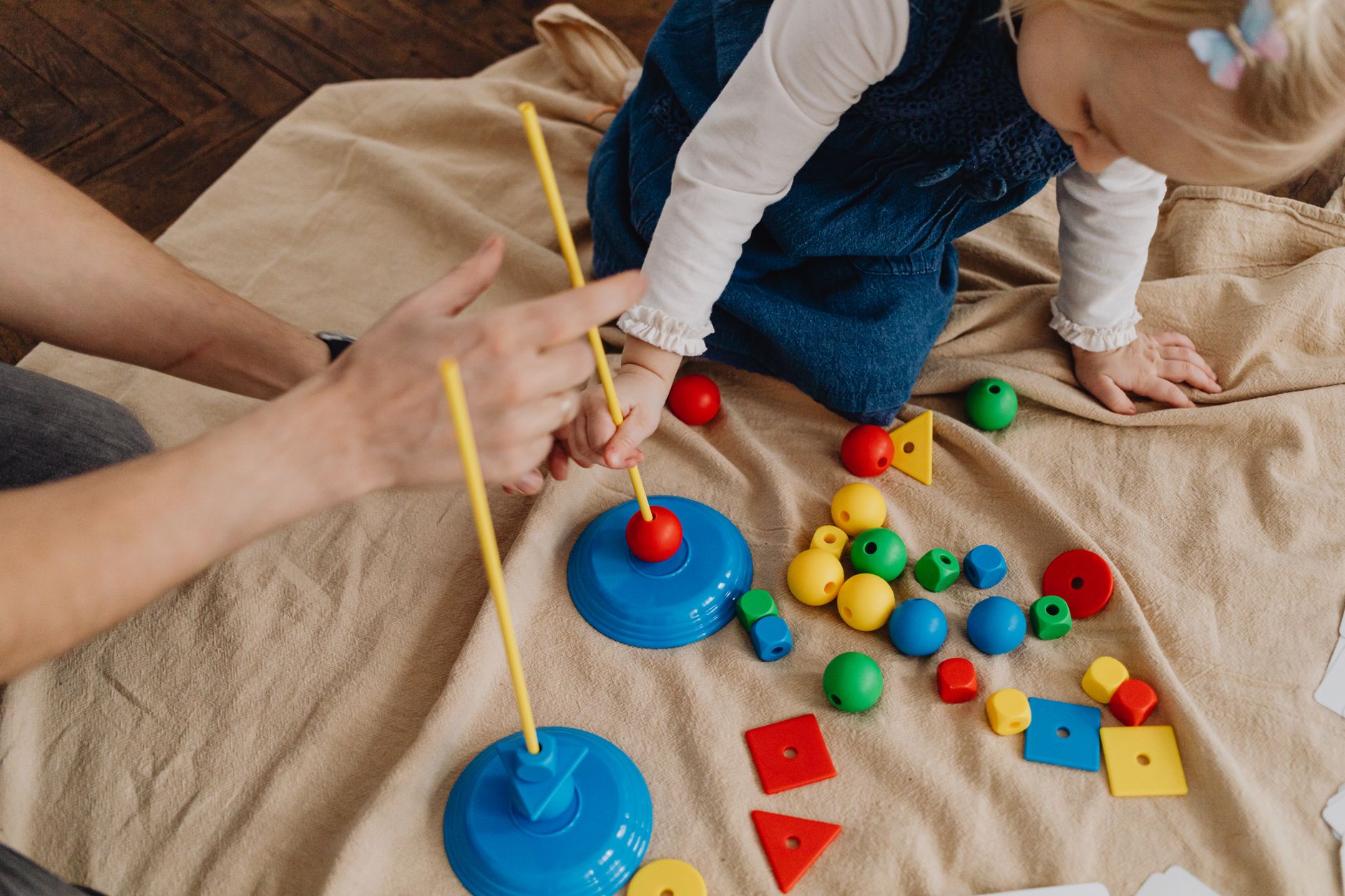
This cooperative capacity is emerging at exactly the age where social development becomes critical. Tinyland toys support this by creating situations where collaboration is natural and rewarding. Kids learn to work together while building something they’re genuinely excited about.
School Age: Complexity and Mastery
By age five or six, your child can sustain complex projects. They want to master skills, create sophisticated structures, and see their vision realized in tangible form. Tinyland toys continue to support this by allowing increasingly ambitious projects.
A child this age might spend an hour creating an elaborate structure, then spend another hour creating an entirely different scenario. Tinyland provides the materials for this extended, self-directed play. The flexibility is essential for supporting their evolving interests.
The Cost Advantage of Growing With Your Child
Many parents buy toys for specific developmental stages, then face the dilemma of what to do when their child outgrows them. Tinyland products that engage a two-year-old remain engaging at age six because the play opportunities expand rather than disappear. You’re not constantly cycling through toys.
This longevity means your investment serves your child longer. Instead of buying a toy that serves one stage, you buy once and watch it serve multiple years of development.
Interests Shift, Not the Toy
As children age, their interests change. They might obsess with building one week, then shift to imaginative scenarios the next. Tinyland toys accommodate both because they’re fundamentally flexible. The toy doesn’t dictate interest—it supports whatever your child’s brain is currently exploring.
This adaptability is rare in toy design. Most toys are designed for specific play patterns. Tinyland is designed for potential—whatever your child wants to create, they can.
A Single Collection Across Years
Tinyland collections build on each other. What you start with your toddler combines and expands as your child grows, creating an increasingly complex and capable system. You’re not replacing toys—you’re building a library of open-ended play materials that serve your child from infancy through school age. That’s the philosophy that makes Tinyland such a smart investment.