


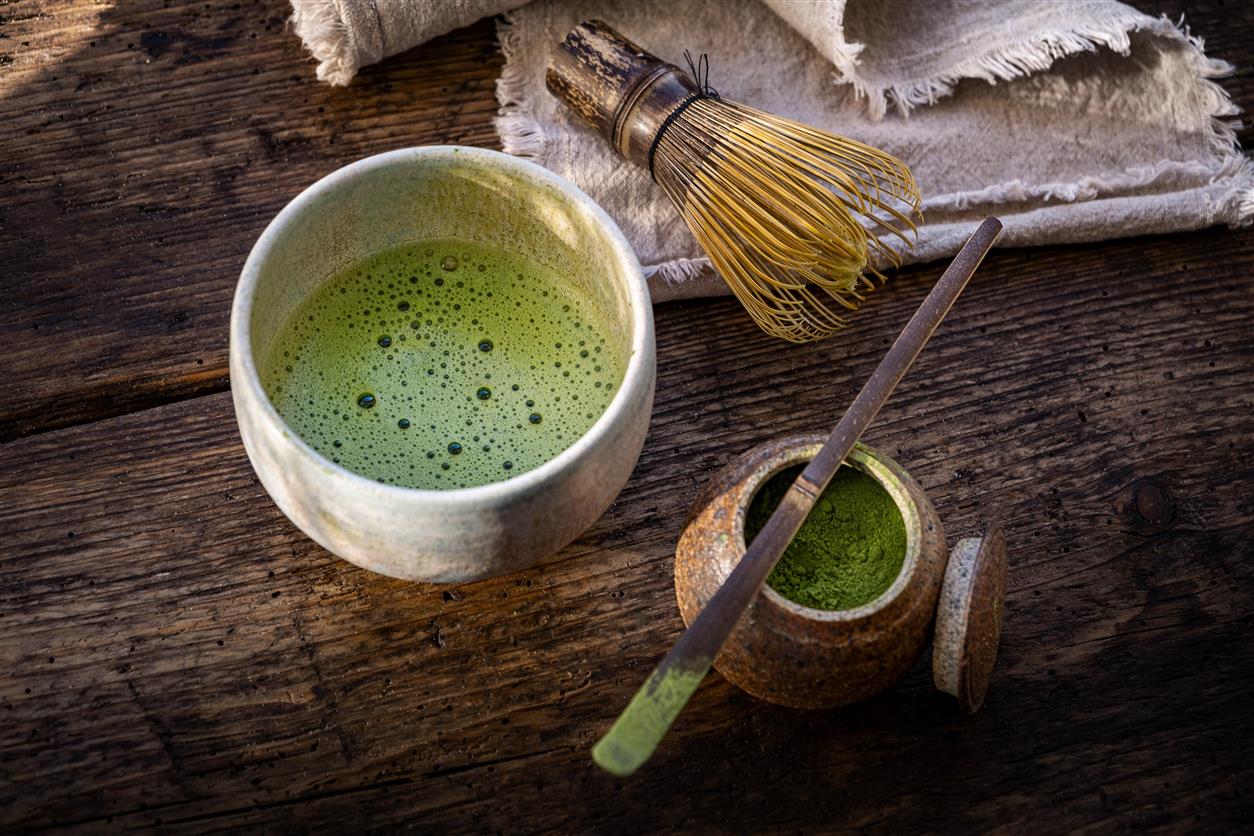

More Than Matcha is a wellness-focused tea brand dedicated to delivering premium ceremonial-grade matcha while promoting mindful routines, clean energy, and modern self-care. By combining traditional Japanese tea craftsmanship with contemporary lifestyle branding, the company has become part of the growing global movement toward healthier beverages and wellness-centered living.
From organic first-harvest tea leaves to subscription-based convenience, More Than Matcha represents the increasing popularity of matcha as both a daily ritual and a functional wellness product.
The Global Rise of Matcha
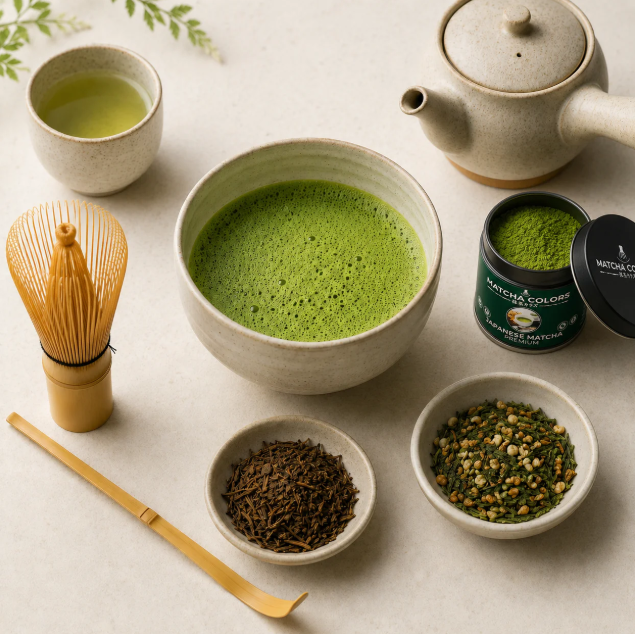
Matcha has experienced tremendous global growth over the past decade as consumers increasingly seek:
- Health-conscious beverages
- Natural energy alternatives
- Functional wellness products
- Mindful lifestyle rituals
Originally rooted in Japanese tea ceremonies, matcha is now widely enjoyed around the world in:
- Lattes
- Smoothies
- Desserts
- Wellness drinks
- Culinary recipes
Its vibrant green color, distinctive flavor, and perceived health benefits have made it one of the fastest-growing categories in the premium tea market.
What Makes Matcha Unique?
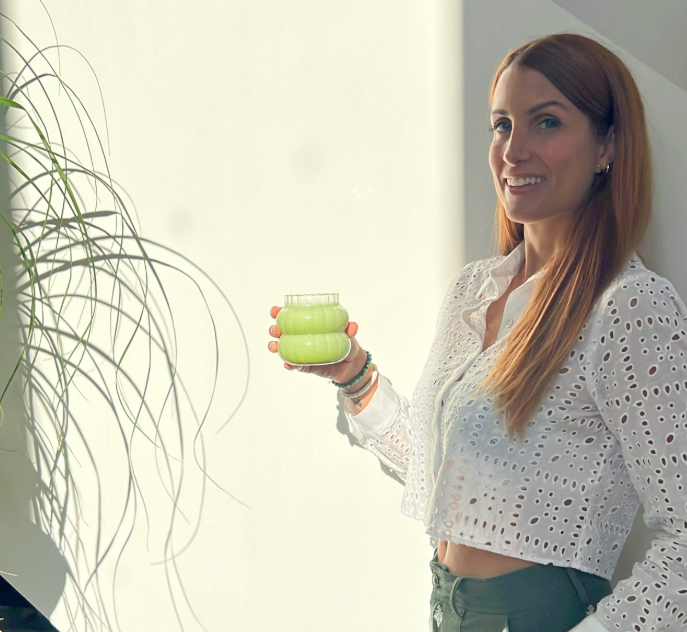
Unlike traditional green tea, matcha uses:
- Whole powdered tea leaves
This means consumers ingest the entire leaf rather than steeping and discarding it.
Matcha is especially valued for containing:
- Natural caffeine
- L-theanine
- Antioxidants
- Catechins such as EGCG
The combination of caffeine and L-theanine is often associated with:
- Calm alertness
- Sustained focus
- Balanced energy
More Than Matcha emphasizes:
“Clean energy. Calm focus.”
This positioning aligns with consumer demand for alternatives to highly caffeinated energy drinks and coffee.
Ceremonial Grade and Organic Sourcing
More Than Matcha highlights:
- 100% organic ceremonial-grade matcha
Ceremonial-grade matcha is considered the highest quality matcha available because it is produced using:
- Young first-harvest tea leaves
- Careful shade-growing techniques
- Fine stone grinding
The company sources its tea from:
- Kagoshima, Japan
Kagoshima is known for:
- Volcanic soil
- Favorable climate
- High-quality tea production
Japanese regional sourcing plays an important role in premium matcha branding and authenticity.
Shade-Grown Tea Cultivation
One defining feature of high-quality matcha production is:
- Shade-growing
Tea plants are covered before harvest to:
- Increase chlorophyll levels
- Enhance amino acid content
- Improve flavor complexity
- Create vibrant green color
This process contributes to matcha’s:
- Rich umami flavor
- Smooth texture
- Nutritional profile
Traditional cultivation techniques remain central to premium matcha production.
Matcha and Wellness Culture
Modern wellness culture increasingly focuses on:
- Mindfulness
- Daily rituals
- Functional nutrition
- Sustainable energy
Matcha has become strongly associated with these trends because it supports routines centered around:
- Morning wellness
- Calm productivity
- Intentional living
More Than Matcha promotes its products as:
“The best part of your mornings.”
Consumers increasingly value products that combine:
- Health benefits
- Lifestyle identity
- Emotional wellness
Subscription-Based Convenience
More Than Matcha offers:
- Subscription and refill services
Subscription models have become highly popular because they provide:
- Convenience
- Consistency
- Customer loyalty
- Personalized delivery schedules
The company’s subscription program includes:
- Refill packs
- Starter tins
- Matcha spoons
- Flexible delivery intervals
Consumers increasingly appreciate recurring wellness products integrated into daily routines.
Antioxidants and Functional Benefits
Matcha is naturally rich in antioxidants such as:
- EGCG (Epigallocatechin gallate)
Antioxidants are often associated with:
- Fighting free radicals
- Supporting cellular health
- General wellness support
More Than Matcha highlights:
“Packed with antioxidants and detoxifying properties.”
Functional beverage marketing continues driving growth across the health and wellness industry.
The Matcha Latte Trend
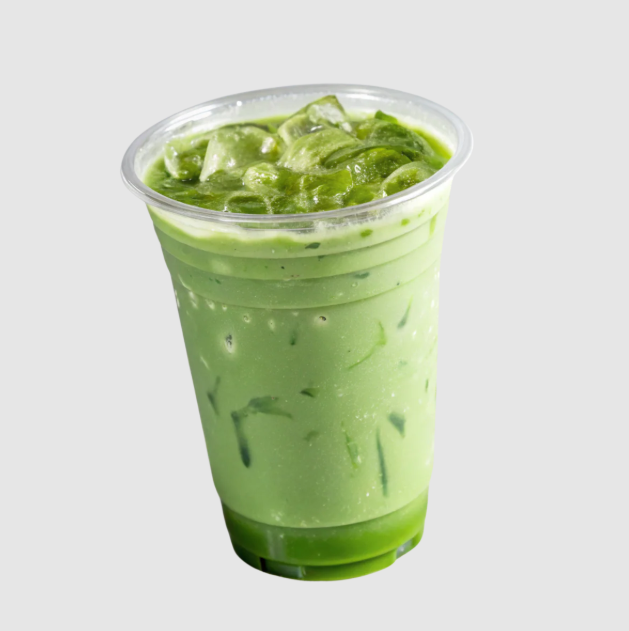
One of the most popular modern uses for matcha is:
- Matcha lattes
Coffee shops and wellness cafes worldwide now offer:
- Hot matcha lattes
- Iced matcha drinks
- Plant-based matcha beverages
More Than Matcha includes guidance for:
- “The perfect matcha latte”
This reflects the growing influence of café culture and social media trends on beverage consumption.
Matcha’s visual appeal has made it especially popular on:
- TikTok
Clean Energy Alternatives to Coffee
Many consumers seek alternatives to traditional coffee because they want:
- Less jitteriness
- Reduced caffeine crashes
- Smoother energy
Matcha’s balanced caffeine profile appeals to consumers looking for:
- Sustained concentration
- Calm mental clarity
- More mindful energy consumption
Functional beverage markets continue expanding as health-conscious consumers explore alternatives to sugary or highly processed drinks.
Sustainability and Small-Batch Production
More Than Matcha emphasizes:
- Small-batch production
- Ground-to-order freshness
Consumers increasingly value:
- Freshness
- Transparency
- Ethical sourcing
- Quality-focused production
Premium food and beverage brands increasingly highlight:
- Artisanal methods
- Sustainable sourcing
- Craftsmanship
These factors help differentiate specialty wellness products in competitive markets.
Modern Branding and Lifestyle Appeal
More Than Matcha combines:
- Minimalist design
- Wellness-focused messaging
- Lifestyle branding
- Ritual-based marketing
This modern aesthetic appeals strongly to younger consumers interested in:
- Health optimization
- Wellness routines
- Functional beverages
- Intentional living
Brand storytelling has become a major factor in premium consumer wellness products.
Why Consumers Choose More Than Matcha
Consumers are drawn to More Than Matcha because the brand combines:
- Premium ceremonial-grade quality
- Organic sourcing
- Japanese authenticity
- Wellness-oriented messaging
- Subscription convenience
- Modern lifestyle branding
Its products appeal to people seeking both flavor and functionality in their daily beverage routines.
The Future of Matcha and Functional Wellness Drinks
The future of the matcha industry may include:
- Expanded wellness formulations
- Functional adaptogen blends
- Personalized nutrition
- Sustainable tea cultivation
- Ready-to-drink matcha products
- Greater global tea education
Consumers will likely continue seeking beverages that combine:
- Energy
- Wellness
- Mindfulness
- Natural ingredients
Final Thoughts
More Than Matcha reflects the growing intersection of wellness culture, premium tea craftsmanship, and modern lifestyle branding.
By offering ceremonial-grade Japanese matcha focused on clean energy, calm focus, and mindful daily rituals, the brand helps consumers embrace healthier and more intentional beverage choices.