



Open the kitchen faucet, fill a glass, and drink. It should be one of the simplest things you do at home. Yet plenty of people hesitate before taking that first sip. Maybe the water has a noticeable chlorine taste, leaves a strange smell, or creates mineral deposits everywhere it dries.
Buying bottled water can temporarily sidestep the problem, but it also introduces another routine. Bottles have to be bought, carried home, stored, and eventually thrown away or recycled.
Home water treatment offers another possibility. Instead of working around the water coming into your home, you can address the specific qualities you want to change. That’s a big part of what makes RKIN interesting.
Your Tap Water May Be Telling You Something
You don’t need to become a water expert to notice that something feels off.
A strong taste or odor is obvious. Other signs are easier to overlook. Cloudy glassware, scale around taps, residue on shower screens, or repeated buildup in appliances can all make you question what’s happening with your water.
The answer isn’t always the same, which is why jumping straight to a random filter isn’t particularly helpful. Water quality testing can give you a clearer picture of what you’re dealing with before you spend money on equipment.
Once you know the issue, choosing a suitable system becomes much less confusing.

Sometimes You Only Care About the Water You Drink
Not every household needs filtration at every faucet.
If your biggest complaint is the taste of water used for drinking, coffee, tea, or cooking, treating the kitchen supply may be the practical choice. This is where reverse osmosis water systems often attract attention.
Traditional RO equipment can involve an under-sink setup, but countertop alternatives have made the technology more accessible to people who don’t want to alter their plumbing.
That matters for renters, smaller households, and anyone who wants something relatively straightforward. A countertop water filter can sit in the kitchen and provide filtered drinking water without becoming a permanent fixture.
There’s something nice about filling a glass at home without wondering whether you should have picked up another case of bottled water.
Then There Are Problems That Follow You Around the House
Some water issues refuse to stay in the kitchen.
Hard water is a good example. Mineral buildup can appear around faucets, on shower surfaces, and inside appliances that regularly use water. If you’re constantly wiping away spots only for them to return, a drinking water filter clearly isn’t addressing the bigger annoyance.
A water softener system is designed for a different purpose than a drinking water purifier, which is why understanding the distinction matters.
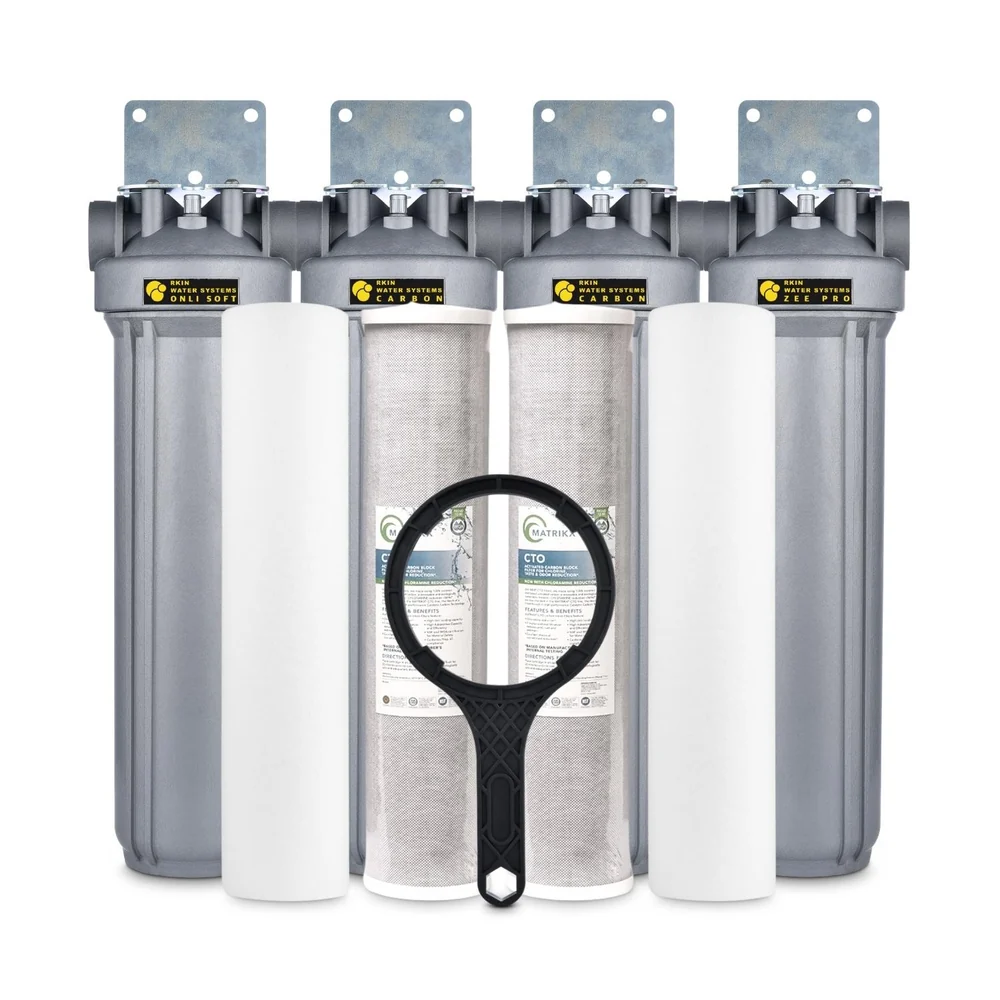
The same applies when you want treatment throughout the property. Whole house water filtration takes a broader approach by treating the incoming supply rather than focusing on one glass at a time.
Well Water Brings Its Own Questions
Living with a private well can make water treatment more personal because conditions vary from one property to another.
Iron, sediment, and unpleasant odors are among the concerns a homeowner might encounter. Instead of assuming one filter can handle everything, it makes sense to identify what’s present and look for well water filters suited to those particular conditions.
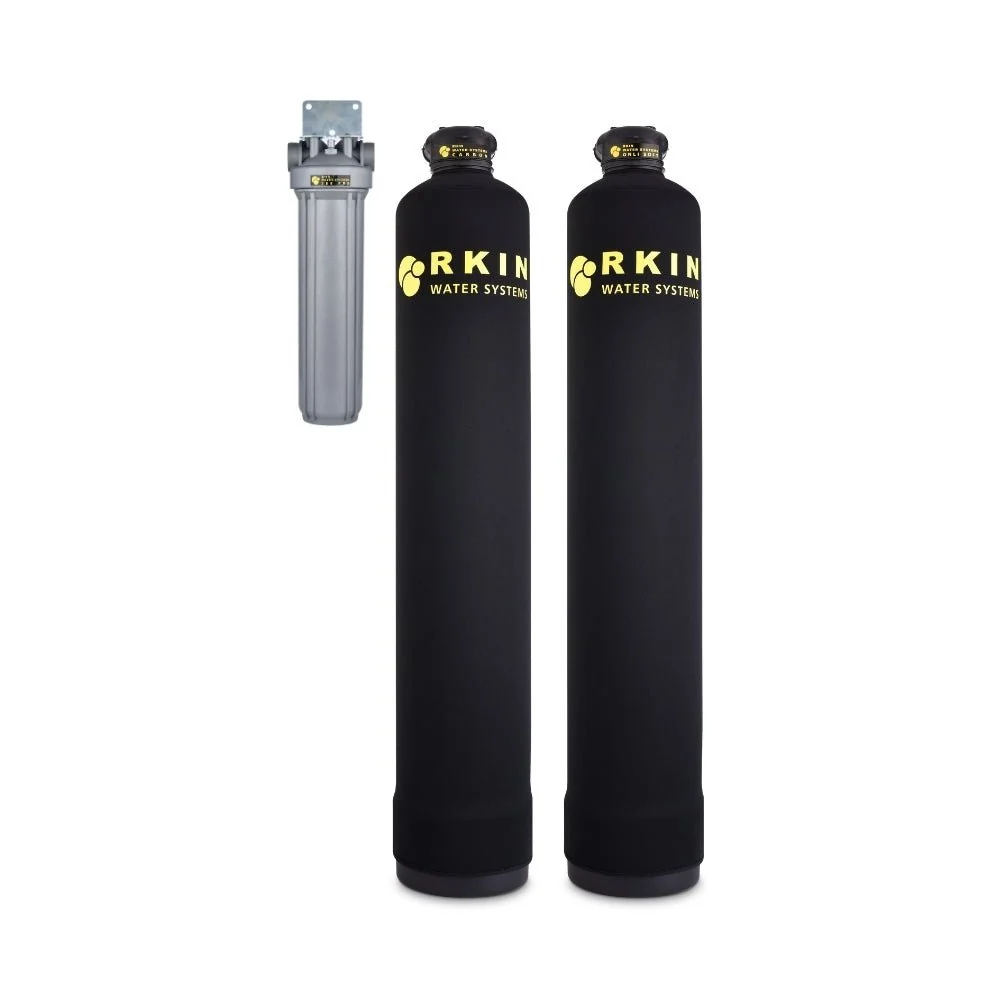
This is also where RKIN’s wider product range becomes useful. You can look beyond a basic drinking water unit and consider systems intended for different water sources and household needs.
Don’t Forget What Happens After You Buy
The purchase itself is only part of owning a filtration system.
Filters need replacing. Some equipment requires periodic maintenance. Larger systems also need suitable installation space. These aren’t reasons to avoid home filtration, but they should be part of the decision from the beginning.
Take a minute to check the expected lifespan and price of filter replacements for any system you’re considering. A slightly cheaper machine isn’t necessarily the cheaper option if its ongoing upkeep costs significantly more.
Maybe Tap Water Deserves a Second Look
It’s easy to think of tap water as something you either accept or replace with bottled water. In reality, there’s quite a bit of room between those choices.
You can focus only on drinking water, address hardness throughout the house, or choose treatment based on specific well-water concerns. The point isn’t to install the biggest system available. It’s to find one that matches the way water actually affects your home.
Once you start looking at tap water that way, filtration feels less like an unnecessary upgrade and more like a practical household decision.