





Parents looking for beautiful, practical, and child-friendly play essentials often want products that support creativity without adding clutter. TINY LAND focuses on toys and playroom pieces designed for everyday learning, open-ended fun, and family-friendly style.
Keypoints
- The brand offers wooden toys, play kitchens, teepees, furniture, and activity-based products.
- Many products support pretend play, creativity, coordination, and independent learning.
- The designs are soft, modern, and easy to blend into a home.
- Parents can find options for toddlers, preschoolers, and growing children.
- The products are useful for playrooms, bedrooms, nurseries, and shared family spaces.
Why Parents Choose This Brand for Everyday Play
TINY LAND has become a popular choice for families who want toys that feel both purposeful and visually appealing. Instead of focusing only on loud colors or short-term entertainment, the brand leans into calming designs, natural textures, and products that children can use in different ways. This makes the range especially helpful for parents who want fewer toys with more value.
Its wooden toys are a strong part of the collection because they encourage hands-on play without overcomplicating the experience. Children can stack, sort, build, pretend, and explore at their own pace. These types of toys are often linked with open-ended play, where a child is not limited to one fixed outcome. That flexibility helps keep play interesting as children grow and develop new skills.
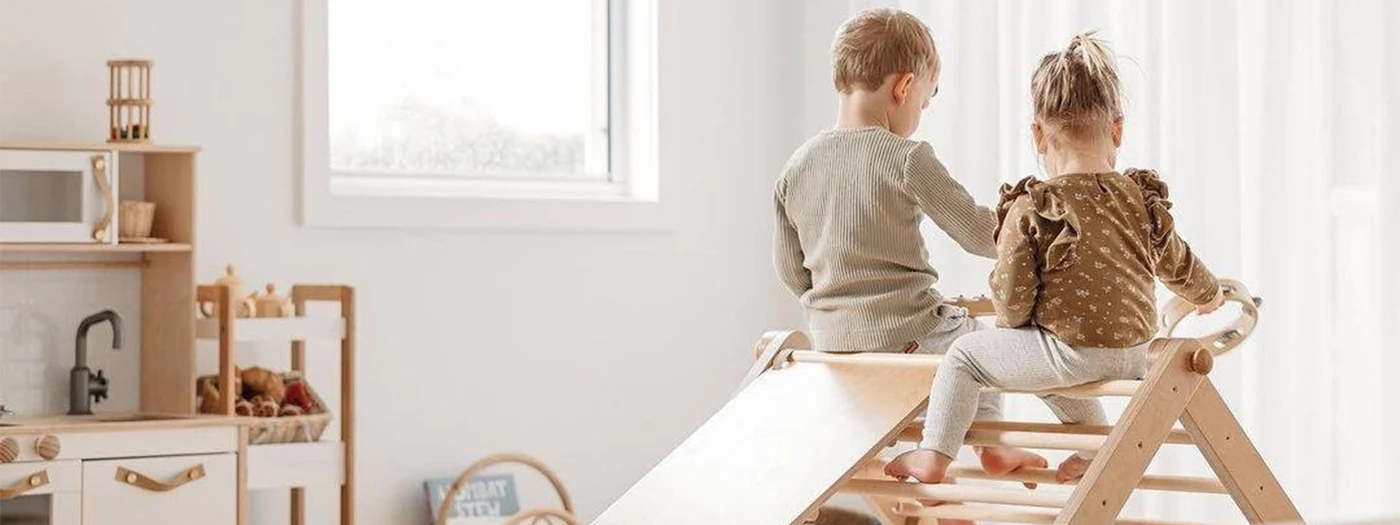
The product range also works well for families creating a neat and inviting play space. Many items have a neutral look that fits into modern homes, which matters to parents who do not want the playroom to feel visually overwhelming. A play kitchen, teepee, or activity table can become part of the room rather than something that needs to be hidden away.

Product Range That Supports Learning and Imagination
One of the strongest parts of TINY LAND is its focus on products that give children room to imagine. Pretend play toys such as kitchens, market stands, play food, and doll accessories allow children to copy real-life routines in a safe and playful way. A child can make breakfast, serve tea, run a small shop, or care for a doll, all while building language, social, and problem-solving skills.
Montessori toys are another natural fit within the brand’s product style. These toys often focus on simple design, hands-on discovery, and child-led learning. Shape sorters, stacking toys, balance toys, puzzles, and sensory-friendly pieces can help children practice fine motor skills and early thinking skills while still feeling like play rather than formal learning.
The brand also offers larger play pieces that can anchor a child’s room or play area. Teepees create a cozy reading corner or quiet hideaway. Tables and chairs give children their own place for crafts, snacks, puzzles, and pretend activities. These products are practical because they support daily routines as well as playtime.
Product Highlights Parents May Appreciate
- Wooden play kitchens help children enjoy pretend cooking and role-play.
- Teepees create a comfortable space for reading, resting, and imaginative games.
- Activity tables support crafts, puzzles, building blocks, and shared play.
- Montessori toys encourage focus, problem-solving, and hands-on discovery.
- Play food sets make pretend play toys more realistic and engaging.
- Kids’ furniture gives children independence in a space made for their size.

Pros and Cons
The biggest advantage of TINY LAND is that its products balance style with function. Many families want toys that children enjoy but also look good in a living room, bedroom, or nursery. The brand’s soft colors and wooden finishes make that easier. Parents also get a wide product selection, which means they can choose small toys, larger playroom pieces, or complete setups depending on their space and budget.
Another benefit is the focus on creative play. Wooden toys, pretend play toys, and Montessori toys all encourage children to take the lead. This can help reduce passive screen-based entertainment and give children more opportunities to explore, communicate, and build confidence through play.
There are a few points to consider. Larger items such as play kitchens, teepees, and furniture need enough room, so parents should check measurements before buying. Some wooden products may also require assembly or occasional care to keep them looking their best. For families who prefer bright electronic toys with sounds and lights, the brand’s calmer style may feel more minimal.
How These Products Fit Into a Child’s Routine
The best children’s products are often the ones that become part of everyday life. A play kitchen can be used while parents cook dinner. A teepee can become a quiet place after a busy day. A small table can support drawing in the morning, puzzles in the afternoon, and pretend tea parties later on. This kind of flexibility is what makes the products useful beyond one short stage.
Parents can also combine different items to create a more complete play experience. Wooden toys can be stored near a child-sized table. Pretend play toys can be added to a kitchen or market setup. Montessori toys can be rotated weekly to keep children interested without crowding the room. This approach helps children stay engaged while keeping the space manageable.
For gift-giving, TINY LAND products can feel more thoughtful than many standard toy options. A wooden toy set, teepee, or play kitchen has a lasting quality and can often be enjoyed by siblings as well. That makes the products suitable for birthdays, holidays, nursery upgrades, or playroom refreshes.

Final Thoughts
TINY LAND is a strong option for parents who want children’s products that are attractive, practical, and built around meaningful play. Its wooden toys, Montessori toys, pretend play toys, furniture, and cozy play pieces give families plenty of ways to support creativity and early development at home.
The brand works especially well for parents who prefer calm designs, open-ended activities, and products that can grow with a child’s interests. While families should check space requirements for larger pieces, the overall range offers useful choices for creating a warm, organized, and engaging play environment.