


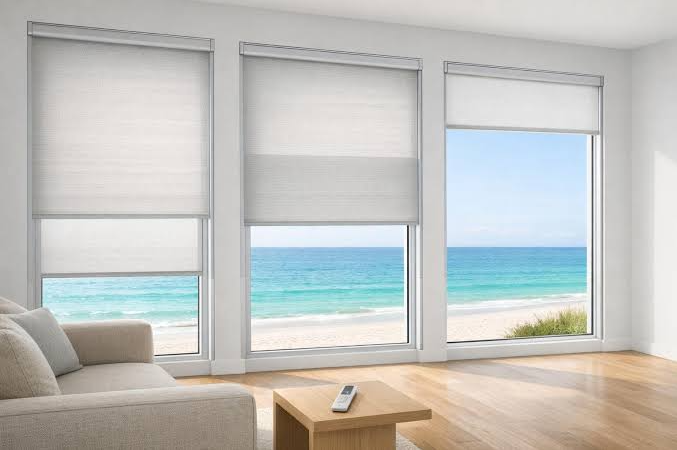
Discover how motorized roller shades reduce heating and cooling costs through intelligent thermal management, seasonal optimization, and smart home integration.
Energy efficiency represents one of the most compelling reasons homeowners invest in smart technology. Your windows and doors account for approximately 25-30% of residential heating and cooling losses. Window treatments sit at the intersection of comfort and efficiency, controlling heat transfer through your home’s largest temperature-sensitive surfaces. Modern motorized roller shades represent a significant leap forward in managing this critical energy dynamic.
Traditional roller shades offer minimal insulation value and require constant manual adjustment to optimize thermal performance. Motorized solutions eliminate human error by automating the process of opening and closing windows according to time of day, season and weather conditions. This intelligent control ensures your home maintains optimal temperatures without excess energy expenditure from heating and cooling systems.
Understanding Thermal Performance and Window Treatments
Heat transfer through windows follows predictable patterns. During winter, significant heat escapes through glass when shades remain open. During summer, direct sunlight dramatically increases indoor temperatures, forcing air conditioning to work harder. Motorized roller shades reduce both scenarios through strategic positioning. Premium solutions provide excellent insulation properties when closed, creating a thermal buffer between interior spaces and external temperature fluctuations.
The science is straightforward air trapped between window glass and closed roller shades reduces heat transfer by up to 15% compared to bare windows. Combined with thermostat-integrated automation, these reductions compound throughout the day and year. The cumulative effect translates directly into measurable utility bill reductions.
Seasonal Optimization Strategies
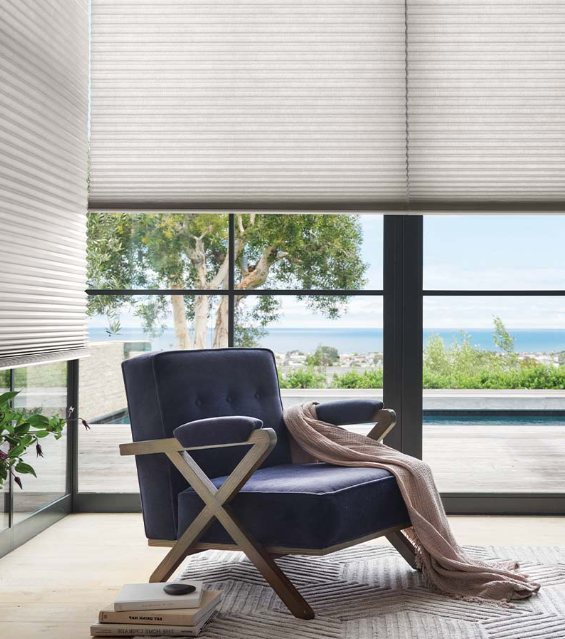
Smart motorized shades excel at seasonal energy management. Winter heating involves raising shades during sunny daytime hours to capture passive solar gain, then closing them at night to retain warmth. Summer cooling reverses this approach keep shades closed during peak solar hours to minimize heat gain, then open them when outdoor temperatures drop. Programming these patterns into your motorized system eliminates human error and ensures consistent execution.
Many homeowners find that automated seasonal schedules reduce energy consumption by 10-15% annually. The variance depends on climate, window orientation, shading type and automation aggressiveness. Connected systems allow real-time schedule adjustments based on weather conditions and forecasts. This flexibility ensures maximum savings without sacrificing comfort or convenience.
Demand Response and Time-of-Use Optimization
Utility companies now offer time-of-use rates and demand response programs that reward reducing peak-hour consumption. Motorized roller shades integrate seamlessly with these programs. During peak demand, your system lowers shades to reduce cooling loads. This collective action across many homes helps stabilize electrical grids and reduces strain on power generation. Participating customers receive rate discounts and financial incentives for their participation.
Integration with Smart Home Energy Systems
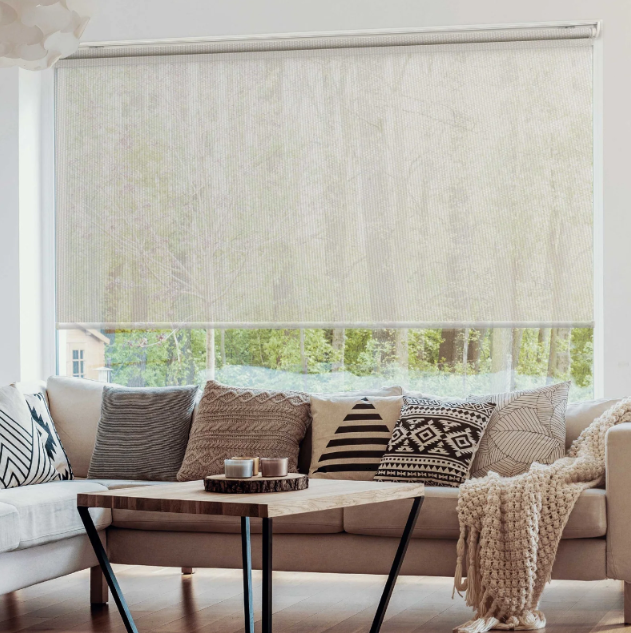
Efficiency gains emerge when motorized shades integrate with broader smart home energy management systems. Connect window treatments to smart thermostats that communicate with energy monitoring devices and weather services. This ecosystem learns your preferences, predicts weather patterns and optimizes all systems together. Your shades lower preemptively when forecasts predict extreme heat, reducing unnecessary air conditioning. Winter mornings trigger automatic raising of south-facing shades to harness solar warmth and efficiency gains.
Advanced systems report energy savings to smartphone apps, providing real-time feedback on improvements. This transparency motivates continued optimization and helps you understand direct financial benefits of your motorized shade investment. SmartWings products integrate with popular platforms, making it straightforward to incorporate window treatments into cohesive energy strategies.
Additional Efficiency Benefits Beyond Temperature Control
Beyond thermal performance, motorized roller shades provide secondary efficiency benefits. Daylight management reduces daytime lighting needs, cutting electricity consumption for interior illumination. In home offices and commercial applications, optimizing natural light while controlling heat and glare significantly reduces total energy demand. Some commercial property managers report 8-12% energy reductions from improved daylight harvesting combined with thermal management.
Long-term value extends beyond utility savings. Reduced thermal stress on HVAC systems extends equipment lifespan, lowering maintenance costs and replacement frequency. Consistent temperature control eliminates hot and cold spots that drive occupant discomfort. The compound effect of these factors makes motorized window treatments financially sound
- Direct utility savings from reduced heating and cooling throughout the year.
- Extended HVAC system lifespan through reduced demand and thermal cycling stress.
- Lower maintenance costs from less frequent equipment repairs and replacements.
- Improved thermal comfort that reduces unnecessary temperature adjustments and waste.
Return on Investment Timeline
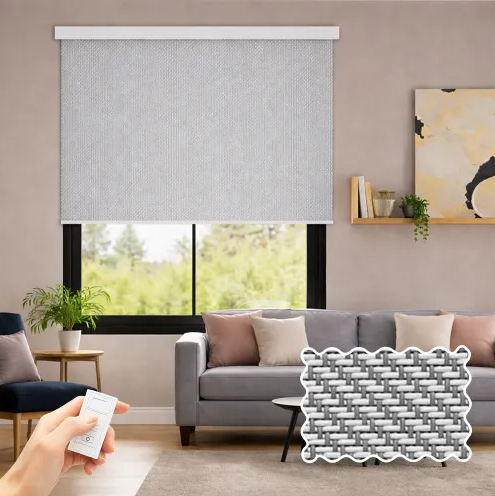
Typical residential motorized shade systems cost between and for full-home installation. With average energy savings of 10-15% in moderate climates, the payback period typically ranges from five to ten years, after which savings flow directly to your bottom line. In regions with extreme seasonal temperature variations or high electricity rates, payback periods compress to three to five years. After accounting for increased home value from energy-efficient upgrades, the actual financial benefit far exceeds simple utility bill reduction calculations.
Future-Proofing Your Home
Energy efficiency trends point toward increasingly stringent building codes and efficiency standards. Installing motorized roller shades today positions your home ahead of future regulatory requirements. As utility rates inevitably increase, your efficiency advantage grows. Smart home integration becomes increasingly valuable as connected home technology proliferates. SmartWings positions your investment as future-proof infrastructure that maintains relevance regardless of how technology and regulations evolve over time.