



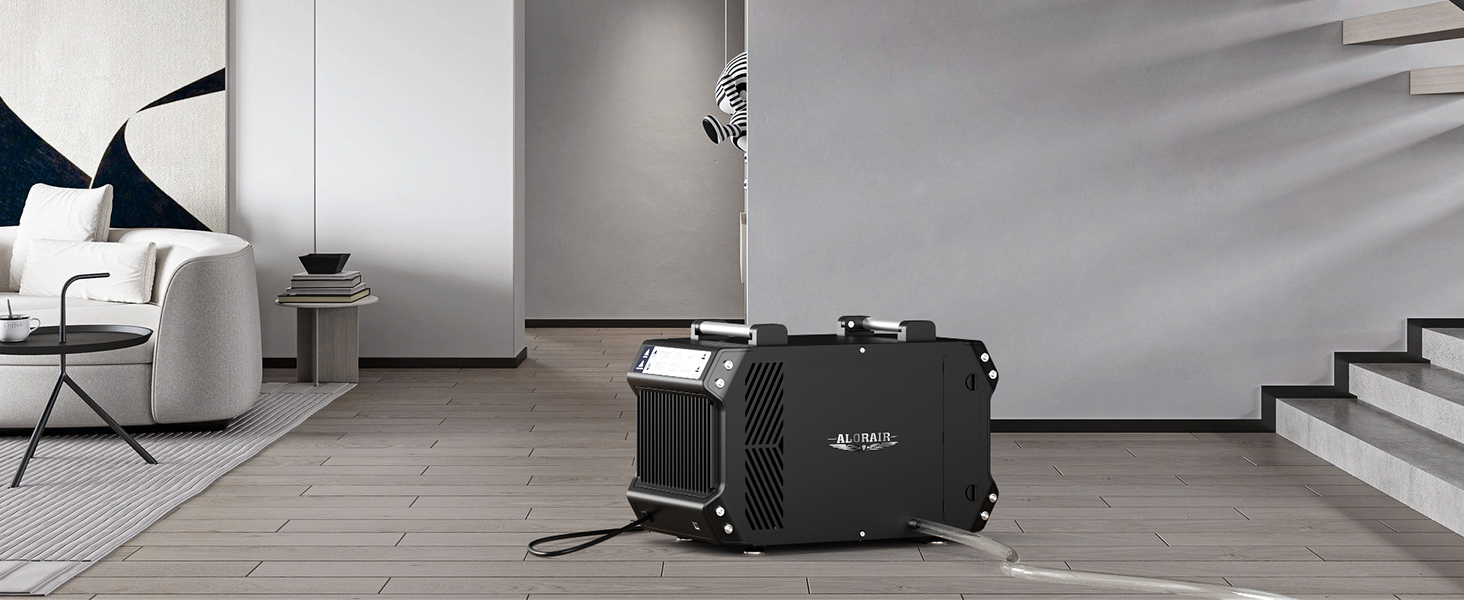
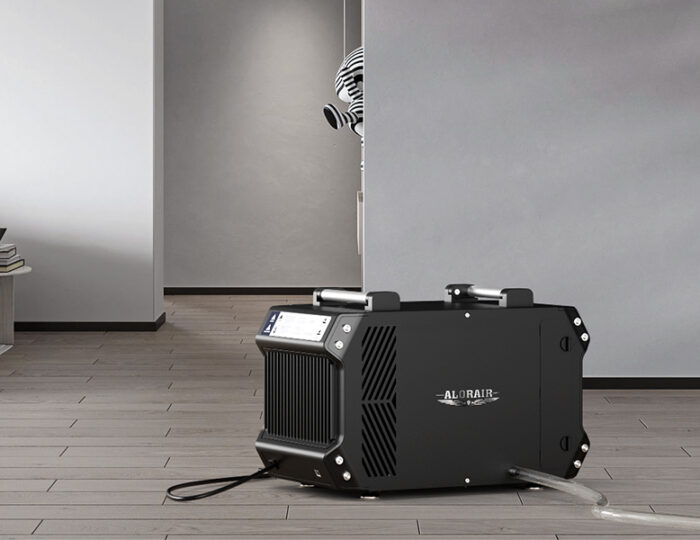
Some of the most important areas of a home are also the easiest to overlook. Crawl spaces and basements may remain out of sight for much of the year, but excessive humidity in these areas can create conditions that encourage musty odours, mould, condensation, and deterioration of building materials. Managing moisture therefore isn’t simply about making an unused area feel more comfortable—it can form an important part of protecting the wider property. AlorAir Crawlspace specialises in dehumidifiers and moisture-control equipment developed specifically for demanding spaces such as crawl spaces and basements.
Its collection ranges from compact units for smaller areas to higher-capacity models for large residential and commercial environments, alongside ventilation fans, air filtration systems, encapsulation materials, filters, and replacement components. The company says its mission is to develop air-quality technologies that help create cleaner, healthier indoor environments while maintaining an emphasis on reliability and humidity control.
Why Crawl Spaces Need Special Attention
A crawl space presents different challenges from a typical bedroom or living area. These spaces can be cooler, harder to access, and more susceptible to moisture entering from soil, outdoor air, condensation, leaks, and inadequate ventilation. A conventional portable room dehumidifier may therefore not always be the most appropriate long-term solution.
Purpose-built crawl-space dehumidifiers are designed with these conditions in mind. They typically combine relatively compact dimensions with continuous drainage and features intended to maintain operation as environmental conditions change.
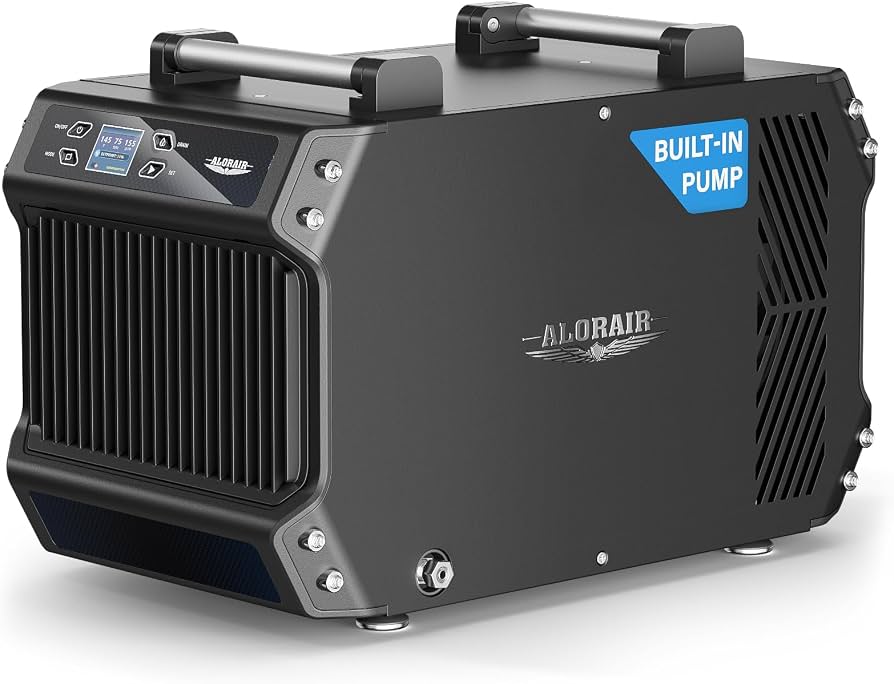
AlorAir’s range includes units with automatic humidity control, auto-defrost functionality, continuous drainage, auto-restart, and, on selected models, integrated condensate pumps.
The objective is straightforward: instead of waiting until dampness becomes an obvious problem, homeowners can actively manage humidity in areas where moisture might otherwise remain unnoticed.
Find the Right Capacity for Your Space
Choosing a dehumidifier involves more than simply selecting the largest machine available. The size of the crawl space, existing moisture conditions, airflow, temperature, drainage options, and installation location can all influence which model is appropriate.
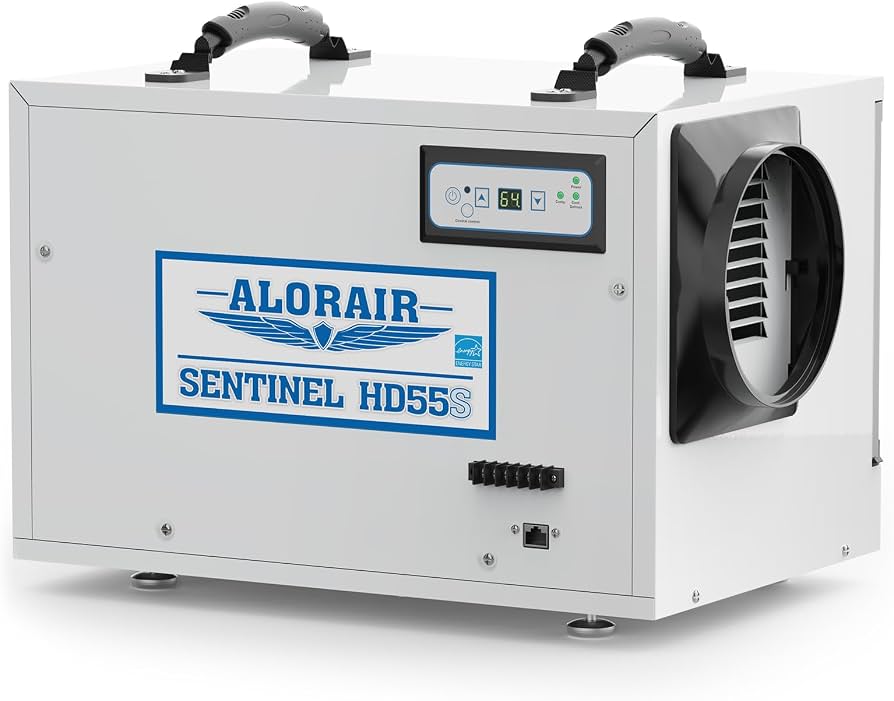
AlorAir offers units across several capacities. For example, its Helios MP35 is specified for areas up to 1,000 square feet and removes 35 pints per day under AHAM conditions, while the Helios MP55 is designed for spaces up to 1,500 square feet and is rated at 55 PPD under AHAM conditions. Both incorporate pump drainage.
Larger models extend considerably beyond these capacities. The Galaxy 60P, for instance, is designed for areas up to 1,800 square feet and provides both gravity and pump drainage.
Looking at realistic AHAM capacity, recommended coverage, airflow, and drainage requirements can provide a more useful comparison than relying on a single headline specification.
Smart Features Make Hidden Spaces Easier to Manage
One inconvenience of crawl-space equipment is accessibility. Nobody wants to repeatedly crawl underneath a house simply to check the humidity level or confirm that a dehumidifier is operating correctly.
AlorAir addresses this with Wi-Fi-enabled models and its AlorAir-C app. Compatible systems can provide functions such as humidity tracking, remote on/off controls, equipment monitoring, notifications, and firmware upgrades.
Remote monitoring can be especially convenient for homeowners who have encapsulated or difficult-to-access crawl spaces. Instead of physically checking equipment as frequently, compatible smart controls make it possible to keep an eye on operating conditions more conveniently.
Automatic defrost is another useful feature in cooler spaces. AlorAir explains that its system monitors conditions and manages frost accumulation around the evaporator, helping the dehumidifier continue operating when temperatures fall.
Why Consider AlorAir Crawlspace?
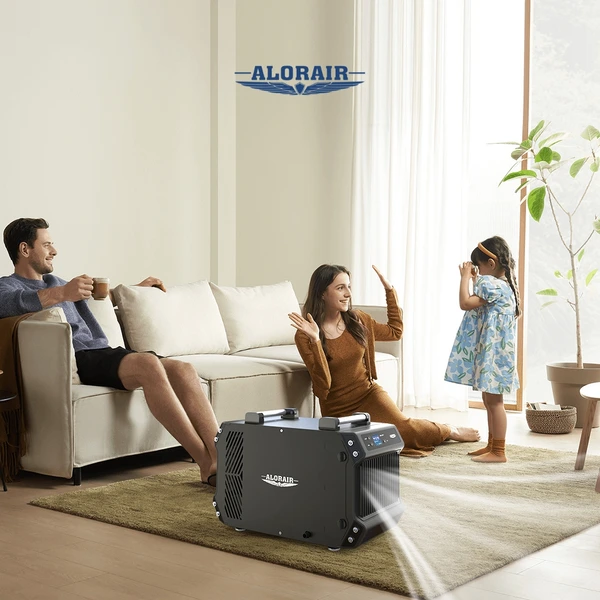
AlorAir brings together several features for homeowners and professionals managing persistent humidity:
- Crawl-space and basement dehumidifiers across multiple capacities.
- Compact models designed for restricted installation areas.
- Built-in condensate pumps available on selected units.
- Gravity-drain alternatives for suitable installations.
- Automatic humidity control and auto-defrost functionality.
- Wi-Fi and app-controlled models for remote monitoring.
- ENERGY STAR® certified options within the range.
- Ventilation fans, filtration systems, encapsulation materials, and replacement parts.
- U.S.-based customer and maintenance support.
- A six-year limited warranty on qualifying dehumidifiers purchased under the company’s current warranty programme.
Dehumidification Can Complement Crawl-Space Encapsulation
Encapsulation is commonly used to address crawl-space moisture by installing a vapour barrier and reducing the amount of moisture entering from the ground and surrounding environment. However, sealing a space does not necessarily remove moisture already present or prevent every source of humidity.
AlorAir notes that an encapsulated crawl space can still experience moisture from internal sources and changing temperatures. A dehumidifier can therefore work alongside encapsulation to actively remove water vapour and maintain more consistent humidity.
The company sells crawl-space vapour barriers and encapsulation-related products in addition to its dehumidifiers, making it possible to approach moisture management as a broader system rather than relying on one appliance alone.
Persistent standing water or leaks should, however, be addressed at their source. A dehumidifier is designed to control airborne moisture; it is not a substitute for repairing plumbing leaks, drainage problems, foundation water intrusion, or other structural issues.
Long-Term Performance Requires the Right Installation
Even a capable dehumidifier needs appropriate placement and drainage to perform effectively. Homeowners should consider airflow around the unit, access for maintenance, drainage routing, electrical requirements, and the manufacturer’s clearance recommendations.
AlorAir provides downloadable manuals with its products and publishes installation information to help users understand placement and operation.
Maintenance matters as well. Filters should be inspected and replaced or cleaned according to the instructions for the particular model, while drainage lines and pumps should remain unobstructed. Periodically checking humidity readings can also help homeowners identify unexpected changes that might indicate a new moisture source.
AlorAir’s current warranty policy adds longer-term support. For qualifying dehumidifiers ordered on or after May 14, 2026, the company advertises a six-year limited warranty, with the first two years covering parts, labour, and eligible unit replacement, followed by more limited refrigeration-system coverage during years three through six. Exact conditions and exclusions should be checked before purchasing.
Take Control of Hidden Moisture with AlorAir Crawlspace
A crawl space may not be somewhere you visit every day, but its condition can still matter to the property above it. Managing humidity can help create a drier environment while reducing the conditions associated with mould, musty odours, condensation, and moisture-related deterioration. AlorAir Crawlspace provides specialised equipment for tackling this challenge, ranging from compact crawl-space dehumidifiers to larger pump-equipped and Wi-Fi-connected systems.
Combined with appropriate drainage, encapsulation where necessary, regular maintenance, and repairs to underlying water problems, the right dehumidifier can become an important part of a long-term moisture-management strategy. With AlorAir’s range of capacities and smart-control options, homeowners and professionals can choose equipment around the space rather than trying to make a standard household appliance handle conditions it was never designed for.