





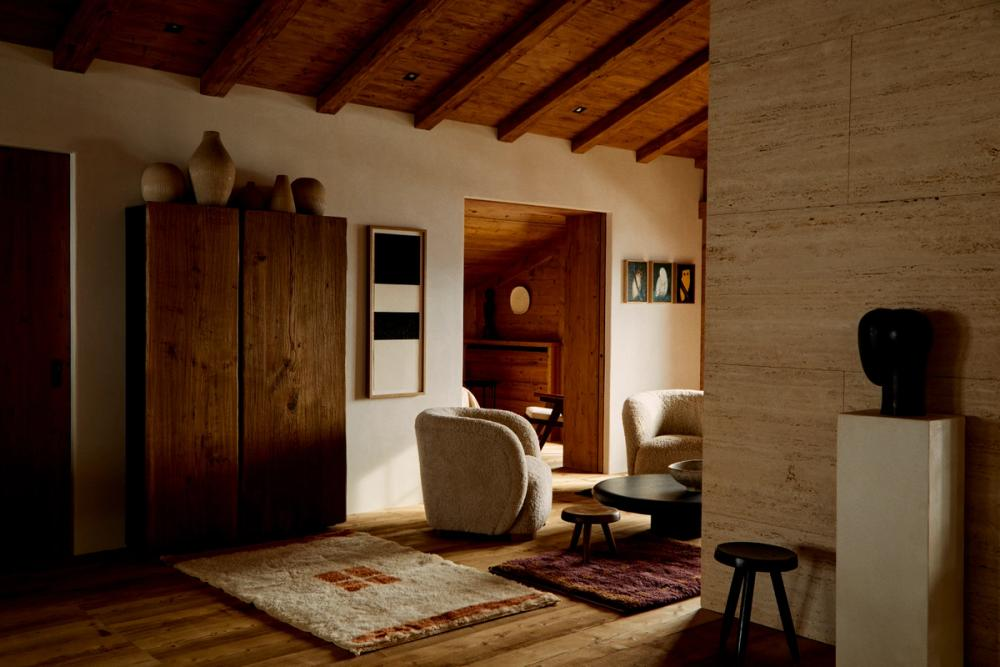
A rug can completely change how a room feels without requiring major renovation. It can establish the visual boundaries of a seating area, introduce texture, soften hard flooring, add warmth, and connect furniture that might otherwise feel unrelated. When the rug itself is made through a long-established craft tradition, it can also bring a level of character that mass-produced floor coverings struggle to reproduce. Beni Rugs combines Moroccan rug-making traditions with contemporary design, producing made-to-order wool rugs through its studio and weaving community in Morocco.
The collection moves between restrained neutrals, geometric designs, saturated colour, shag textures, low-pile constructions, and collaborations with recognised designers and creative studios. This gives buyers a broad range of possibilities while maintaining a clear focus on natural wool, handcraft, and Moroccan weaving techniques.
Key Points
- Rugs are handcrafted in Morocco using traditional weaving knowledge.
- Many designs are made from 100 percent wool.
- Multiple constructions provide different pile heights, textures, and visual effects.
- Made-to-order sizing allows rugs to be selected according to individual spaces.
- Designer collaborations introduce contemporary interpretations of traditional craft.
- Custom sizing and design assistance are available for projects requiring greater flexibility.
Moroccan Tradition With a Contemporary Design Perspective
Moroccan rugs are recognised for their tactile wool surfaces, expressive patterns, and long connection to regional craft. Rather than reproducing these traditions mechanically, Beni Rugs works within Morocco and positions contemporary design alongside established weaving methods.
The company’s studio brings weaving, washing, finishing, and design development into a dedicated craft environment. Skilled weavers produce rugs by hand, allowing the character of the material and weaving process to remain visible in the finished piece.
This matters because handmade rugs naturally differ from machine-produced flooring. Small variations are part of the object rather than manufacturing defects. Wool can create subtle differences in texture, and the human process of knotting and weaving produces a surface with greater visual depth than perfectly uniform industrial construction.
The designs themselves are not limited to traditional patterns. Some use restrained geometric arrangements, while others explore blocks of colour, irregular lines, checks, curves, or more expressive compositions.
This combination allows a handcrafted Moroccan rug to work within highly contemporary rooms without losing the connection to the technique through which it was produced.
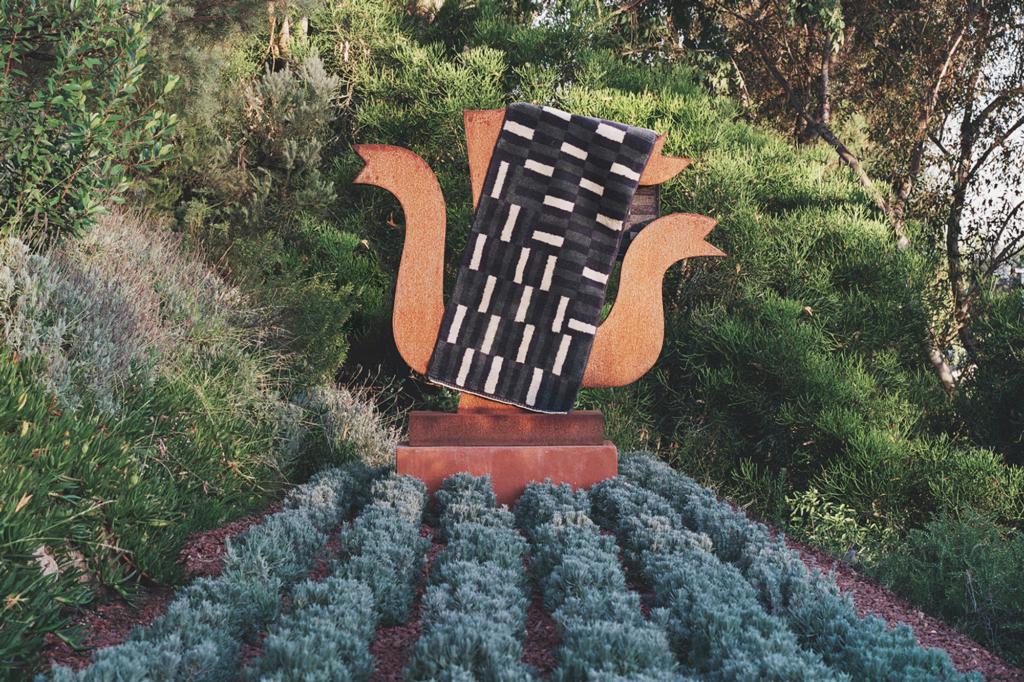
Different Weaves Create Different Experiences Underfoot
Pile height and weaving construction influence both how a rug looks and how it feels. A thick, plush rug can create warmth and softness in a bedroom or lounge, while a lower pile may work better beneath dining furniture or in an area where a more streamlined surface is preferred.
Beni Rugs offers several constructions across its collections. Its Atlas styles provide the substantial wool texture often associated with Moroccan rugs, while Atlas Low Pile reduces the height for a tighter appearance.
The brand has also introduced additional constructions such as Rif, which is closely cropped to reveal more of the knot structure, and Safaa, designed as a lighter weave suited to layering and spaces that benefit from less visual weight.
Shag options create yet another texture, producing a deeper pile for rooms where softness and tactile character are priorities.
Understanding these differences can make shopping much easier. A design may look appealing on screen, but the construction determines how it interacts with furniture and everyday movement.
Someone selecting a rug for beneath a dining table may value easier chair movement, while a living room can accommodate a plusher surface where people frequently sit or walk barefoot.
Choosing Size, Pattern and Construction
A rug should be selected in relation to the entire room rather than as an isolated decorative object.
Important considerations include
- The dimensions of the room and main furniture arrangement.
- Whether furniture will sit completely or partially on the rug.
- The desired pile height and softness.
- Colour relationships with walls, upholstery, and flooring.
- Whether the room needs a bold pattern or a quieter visual foundation.
- The amount of everyday foot traffic the rug will receive.
Most pieces from Beni Rugs are made to order and available across a substantial selection of dimensions. Custom sizing is also possible, which can be particularly useful in rooms where standard rug proportions leave awkward gaps.
Living rooms often benefit from rugs large enough to connect the major seating pieces visually. A rug that is too small can make furniture appear disconnected. In a bedroom, extending the rug beyond the sides of the bed creates a softer landing underfoot and gives the arrangement greater scale.
Runners work particularly well in hallways and narrower spaces. They can also introduce colour or pattern into areas that do not have room for large furniture-based compositions.
Sampling and design consultation can be valuable when choosing expensive handmade pieces because wool colour and texture are easier to understand physically than through a screen.
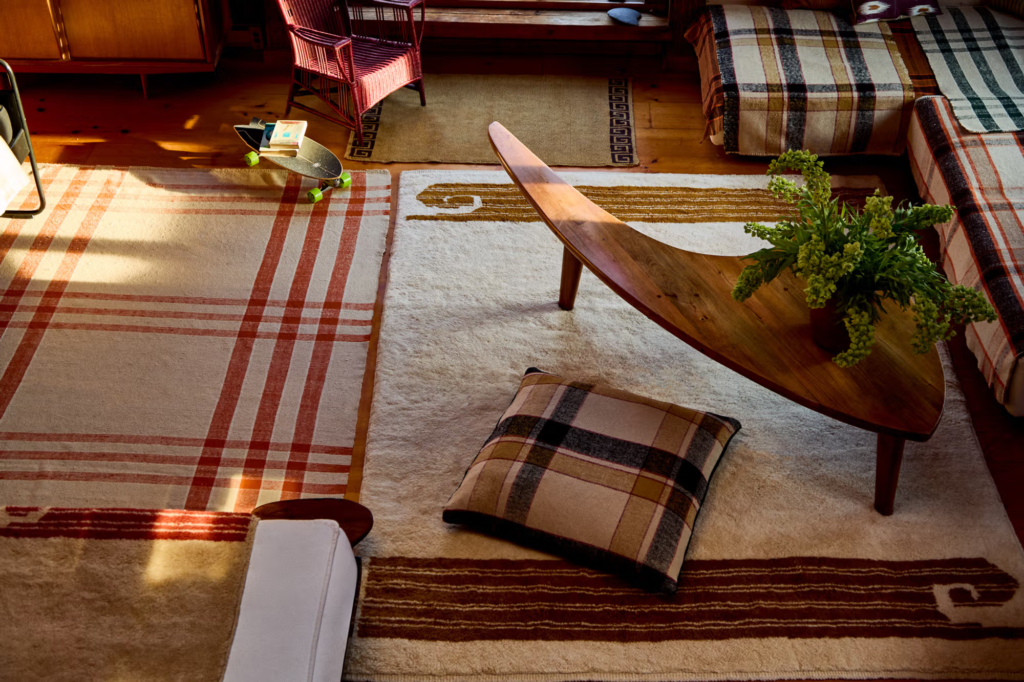
Designer Collaborations and Distinctive Collections
One of the more interesting aspects of the collection is the number of collaborations with designers and creative figures. These partnerships allow Moroccan craft techniques to be interpreted through different visual perspectives.
Beni Rugs has worked on collections associated with names and studios including Athena Calderone, Colin King, Michael Bargo, Flamingo Estate, Studio KO, and others.
The result is considerable stylistic variety. Some collections focus on quiet geometry and architectural inspiration, while others use richer colour or reference vintage textiles. This allows the buyer to choose a rug according to the wider mood of the room rather than being restricted to a single recognisable brand aesthetic.
The Salon collection, developed with Athena Calderone, takes inspiration from decorative design associated with the early twentieth century. Other collaborative ranges draw on gardens, architecture, vintage textiles, and the personal visual languages of their designers.
These collaborations also demonstrate how traditional handcraft can remain relevant without being frozen in one historical style. The making technique remains rooted in Morocco while the visual language continues to evolve.
Pros and Cons of Investing in a Handmade Wool Rug
The greatest advantage of a handcrafted wool rug is character. Natural material, hand weaving, and subtle differences in texture create an object that can feel significantly more individual than mass-produced floor covering.
Wool itself offers several practical benefits. It is naturally resilient, feels comfortable underfoot, and can age attractively when cared for appropriately. A quality rug can remain part of a home through changes in furniture and decoration.
Made-to-order sizing is another advantage because buyers can select proportions that genuinely suit their rooms rather than adapting the layout to a limited selection of standard sizes.
The main consideration is price. Handcrafted wool rugs require substantial labour and materials, so they represent a larger investment than many machine-made alternatives.
Made-to-order production also requires patience. A handcrafted piece cannot always be delivered with the speed associated with warehouse-produced goods.
Natural wool may shed, particularly when a rug is new, and handmade products require appropriate cleaning and maintenance. Buyers should therefore consider the practical requirements alongside the visual appeal.
Creating a Room Around a Rug That Lasts
A strong rug can serve as the foundation of an entire interior. A highly patterned design may guide the selection of quieter upholstery and accessories, while a neutral wool rug can provide texture without competing with artwork or furniture.
Beni Rugs offers enough variation for both approaches. A saturated geometric design can become the visual focus of a room, while soft natural wool can create a calmer base.
Furniture placement should be considered before finalising the dimensions. Measuring with painter’s tape can help homeowners visualise the rug footprint on the floor and understand whether the selected size will properly anchor the space.
Care matters after installation. Regular gentle vacuuming can remove everyday dust, while spills should be handled promptly according to the recommended wool-care guidance. Professional cleaning may be appropriate when deeper treatment is required.
Rotating the rug periodically can also encourage more even exposure to foot traffic and light.
Conclusion
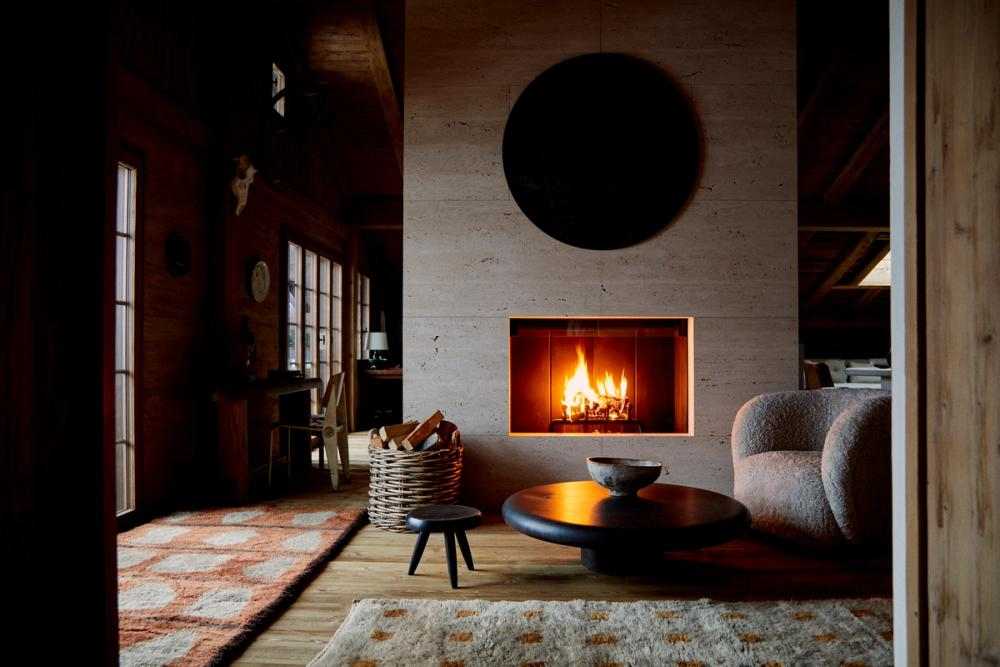
A thoughtfully chosen rug does more than cover flooring. It can organise a room, introduce softness, connect furniture, and establish a visual direction that influences everything around it. When that rug is handcrafted, the material and process add another dimension to the finished interior.
Through Moroccan weaving traditions, natural wool, multiple constructions, made-to-order sizing, and contemporary designer collaborations, Beni Rugs creates pieces intended to function as lasting elements of a home rather than temporary decoration. By choosing the right size, texture, and design for the space, homeowners can introduce handcrafted character while creating a room that feels more grounded and complete.