




Discover how dehumidifiers improve air quality by controlling humidity, preventing mold, and reducing allergens for a healthier home environment.
The air we breathe indoors directly impacts our health, comfort and home environment. Excess humidity creates an ideal breeding ground for allergens, mold and dust mites, all of which degrade air quality and can trigger respiratory issues. A dehumidifier transforms your indoor atmosphere by managing moisture levels, creating conditions where you and your family can thrive. With Alorair you can dramatically improve quality in your home.
Excess moisture affects everything from your physical health to your home’s structural integrity. Damp air encourages mold growth in walls, basements and bathrooms. It also creates an environment where dust mites multiply rapidly, worsening allergies and asthma. When quality suffers, so does your daily comfort. A quality dehumidifier removes moisture at the source, addressing the root cause of poor quality rather than merely masking symptoms with air fresheners or filters alone.
How Humidity Affects Indoor Quality
High humidity levels create a cascade of problems in any home. When moisture content exceeds optimal levels (typically 30–50 percent), dust mites thrive, mold spores germinate and bacteria multiply. Each of these contributes to declining quality. People with asthma, allergies or weakened immune systems are particularly vulnerable to these moisture-related air quality issues. Studies consistently show that controlling humidity is one of the most effective ways to maintain clean, healthy indoor air.
A dehumidifier actively removes water vapor from the air, lowering humidity to healthier levels. This simple mechanism delivers compound benefits fewer allergens, slower mold growth and fresher-smelling rooms. When you invest in quality through humidity control, you’re directly addressing the scientific root causes of indoor air problems. Alorair’s professional-grade dehumidifiers make this process efficient and reliable.
Benefits for Respiratory Health
People with breathing difficulties notice immediate improvements when humidity drops to optimal levels. Mold spores and dust mites are major triggers for asthma attacks and allergy flare-ups. By reducing humidity, a dehumidifier cuts the population of these allergens significantly. The result is clearer breathing, fewer nighttime coughs and better sleep quality for the entire household. Parents of children with asthma often report that adding a dehumidifier to their strategy delivers noticeable relief within weeks.
Beyond allergies, lower humidity also slows the growth of harmful bacteria and viruses that thrive in damp conditions. This added layer of protection contributes to overall quality and respiratory wellness. When you choose Alorair , you’re making an investment in family health.
Preventing Mold and Moisture Damage
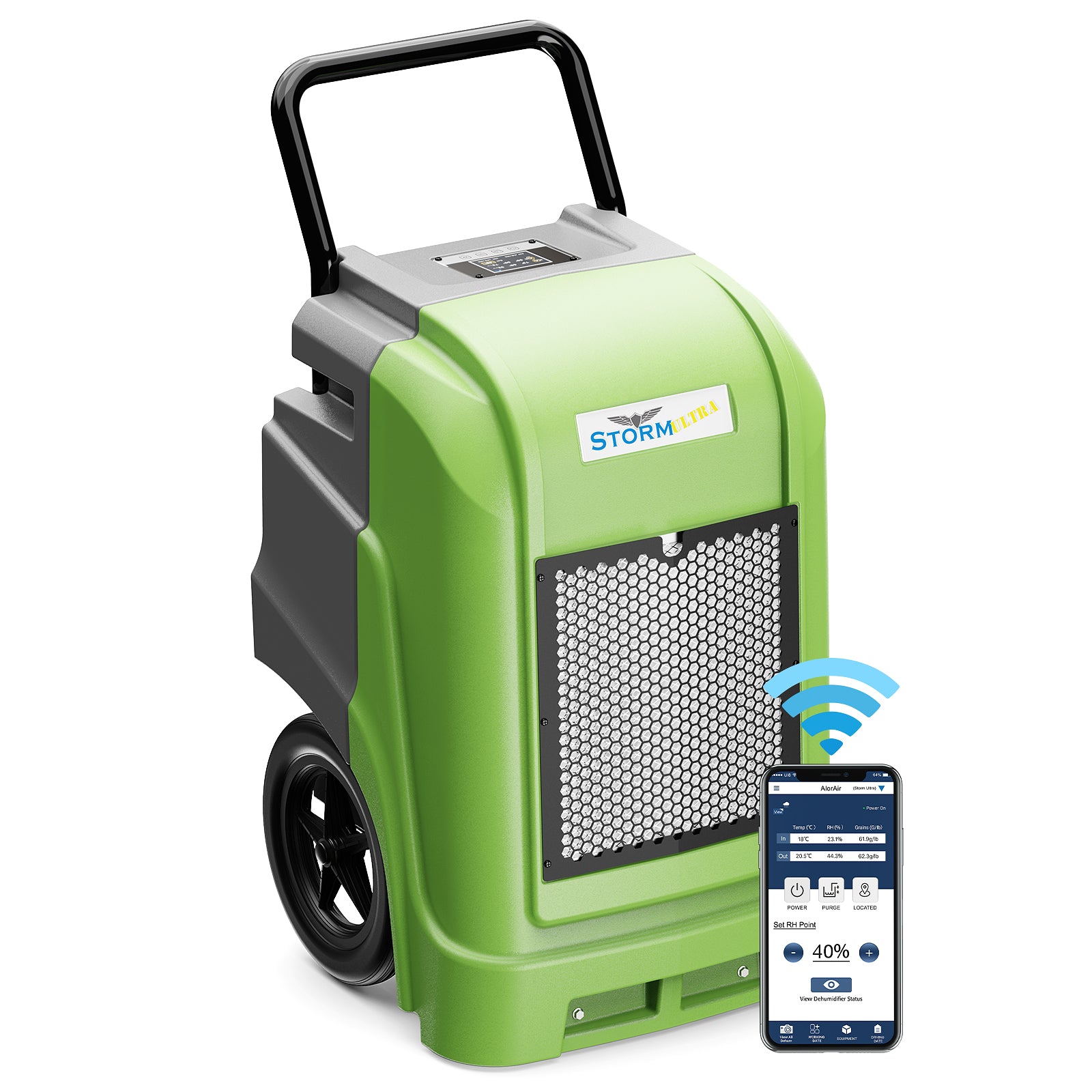
Mold is one of the most serious indoor quality threats. It produces allergens and irritants that degrade quality day after day. Once mold takes hold, professional remediation can become expensive. A dehumidifier prevents mold from gaining a foothold by keeping humidity levels inhospitable to fungal growth. Basements, crawl spaces, bathrooms and laundry rooms, typically the dampest areas of a home, benefit most from dedicated dehumidification.
Hardwood floors warp, insulation loses effectiveness and drywall deteriorates when exposed to persistent moisture. Beyond health impacts on air quality, these structural issues lead to costly repairs. Many homeowners discover that a single dehumidifier prevents thousands in water damage and mold remediation expenses.
Selecting the Right Dehumidifier for Your Space
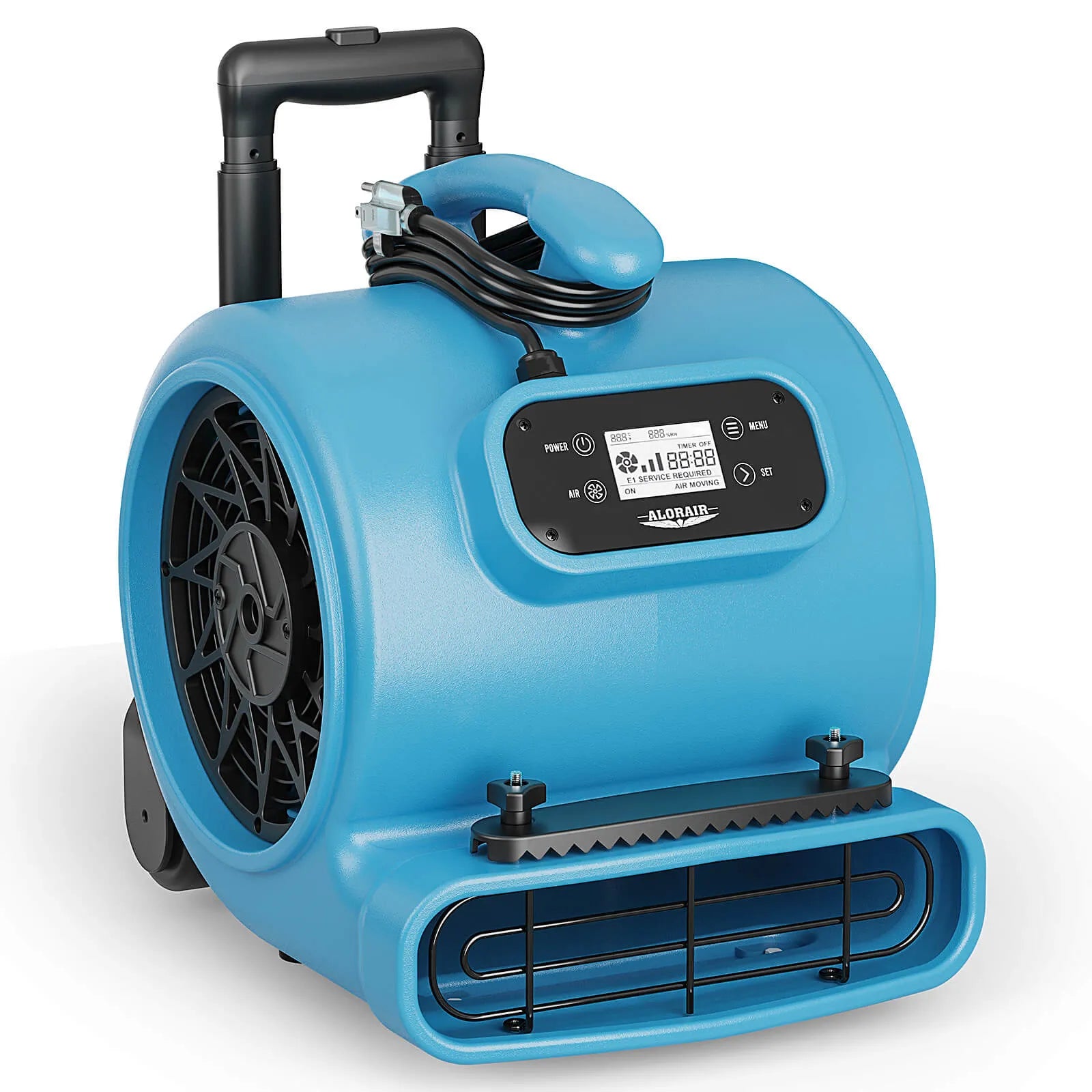
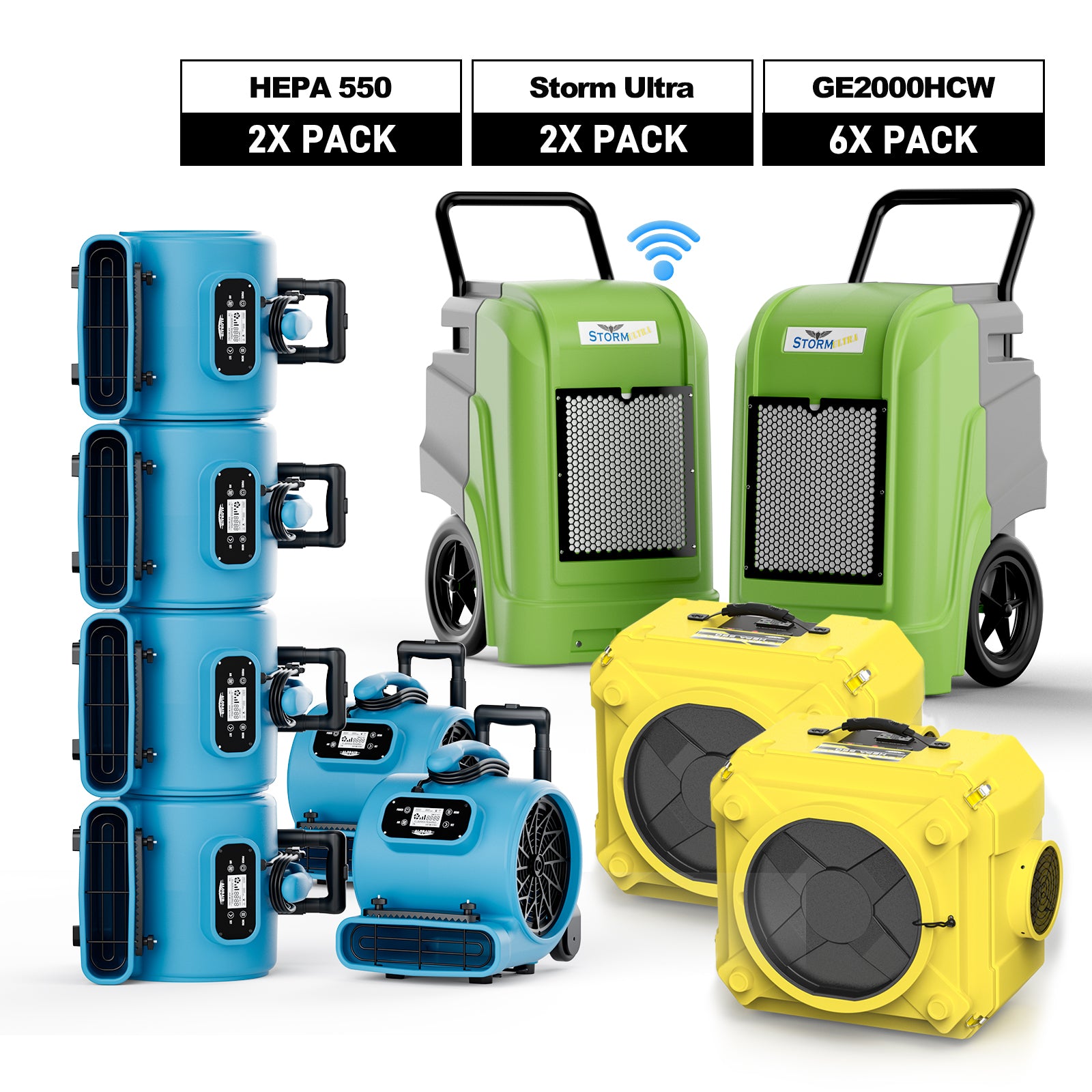
Dehumidifiers vary widely in capacity, noise levels and energy efficiency. A small room dehumidifier may be adequate for a bedroom or office, while larger spaces like basements demand industrial-capacity units. When evaluating options, consider the square footage you need to cover and your climate’s baseline humidity. Alorair offers expert guidance to match your specific quality needs with the right device.
Energy efficiency matters too. Modern dehumidifiers use significantly less electricity than older models, delivering superior quality performance without inflating your power bills. Many units include smart sensors that automatically adjust operation based on current humidity levels, optimizing both quality and running costs.
Creating Your Quality Strategy
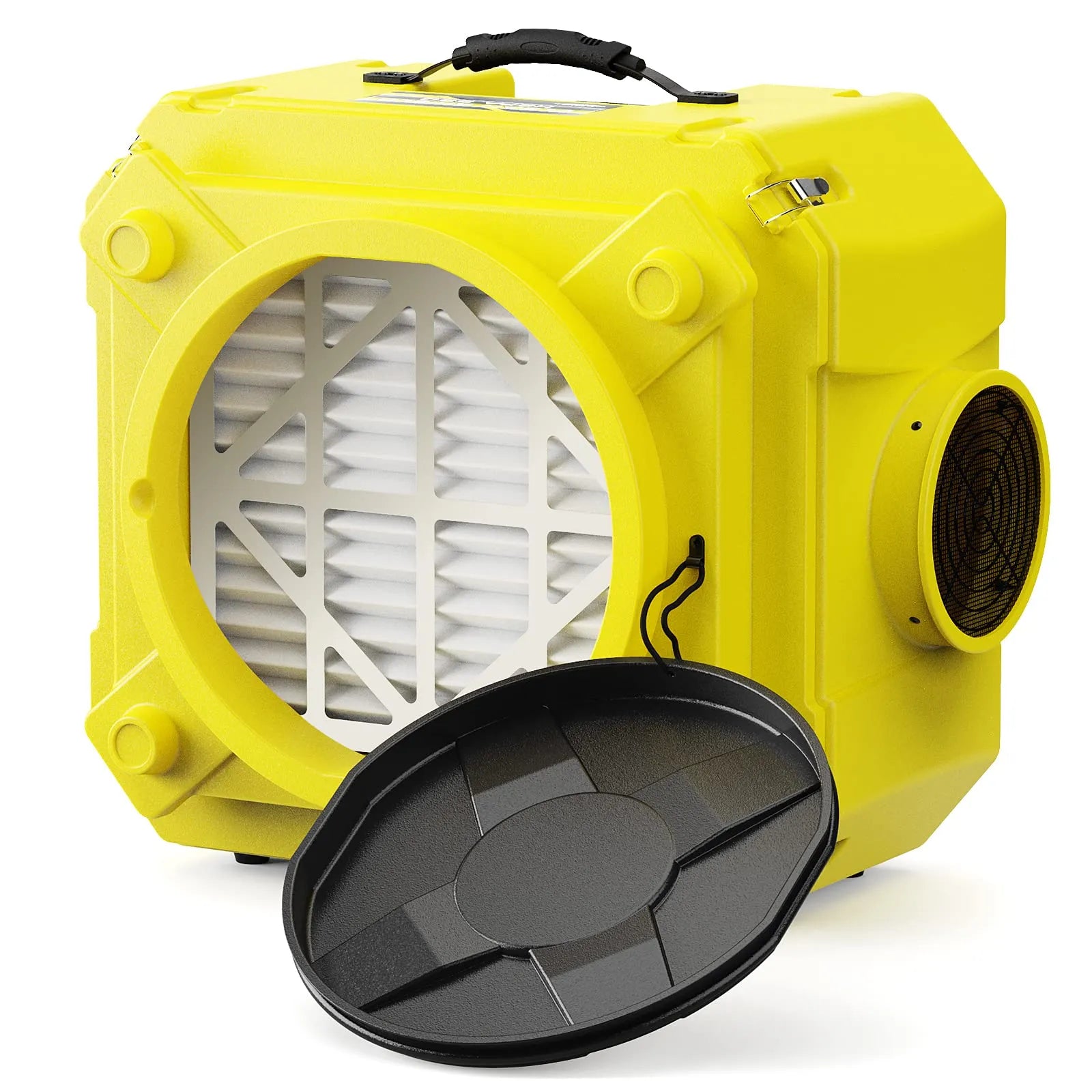
A dehumidifier works best as part of a comprehensive approach to indoor quality. Pair it with regular ventilation, HVAC filter changes and smart cleaning habits. Open windows when weather permits. Use exhaust fans in bathrooms and kitchens. Vacuum frequently to reduce dust. Together, these steps and Alorair a dependable dehumidifier from trusted manufacturers create noticeably healthier indoor air.
Key Steps to Improve Air Quality This Season
- Measure your current humidity using an inexpensive hygrometer to establish a baseline for quality improvement.
- Place a dehumidifier in the dampest room first, typically the basement or lowest level, to address moisture at the source.
- Empty the collection tank regularly or set up continuous drainage to maintain consistent quality benefits.
- Monitor humidity levels weekly and adjust dehumidifier settings based on seasonal changes and quality needs.
- Replace your HVAC filter every 90 days to complement dehumidification efforts and sustain clean quality.
Investing in your home’s air quality pays dividends across health, comfort and property preservation. A quality dehumidifier is the foundation of any strategy to breathe easier and live more comfortably indoors.