






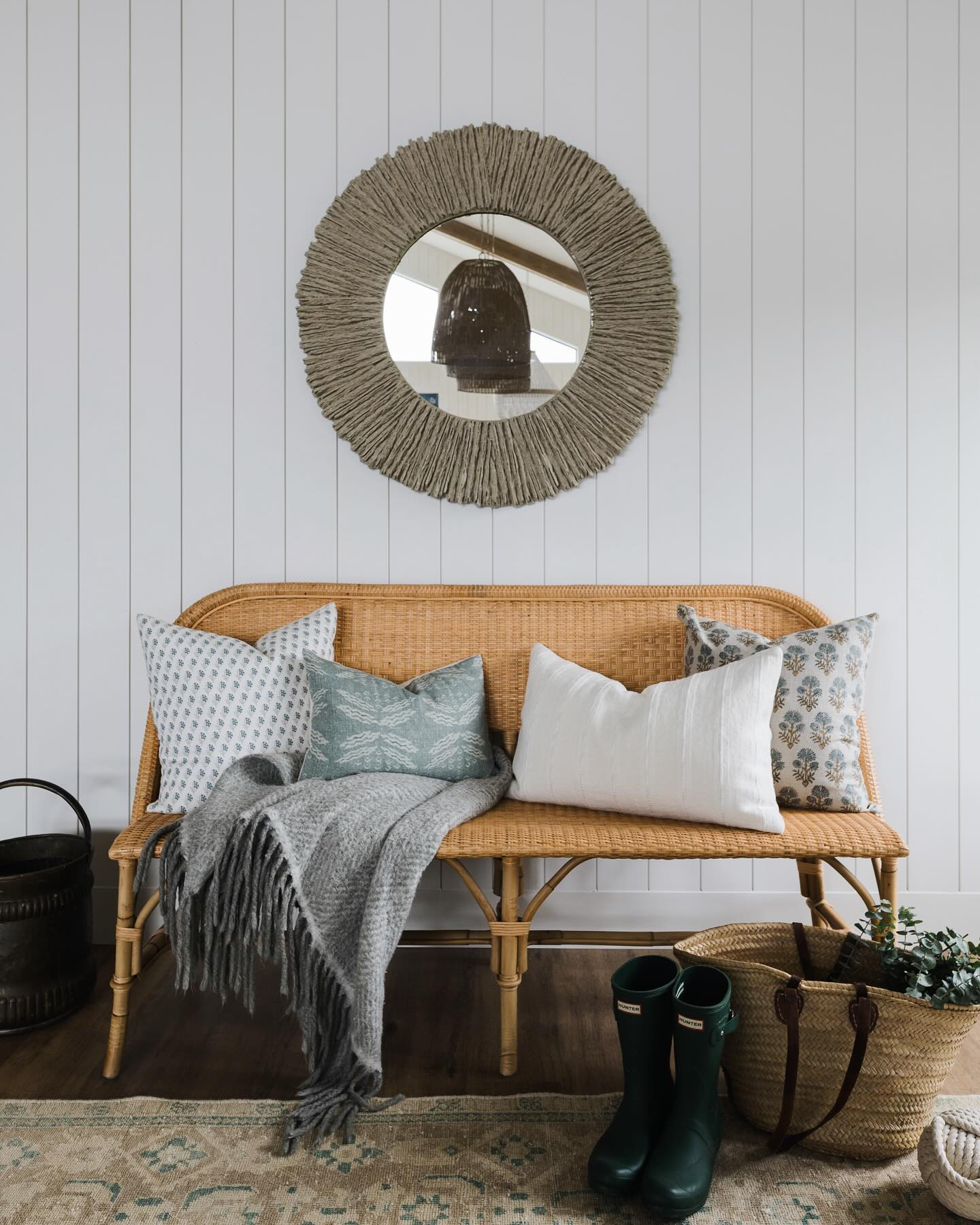
A memorable interior is rarely created by furniture alone. Lighting establishes atmosphere, mirrors influence the sense of space, side tables create practical focal points and decorative objects introduce personality. Choosing these elements thoughtfully can transform an ordinary room without changing its architecture. Regina Andrew approaches home design through expressive lighting, furniture and décor created with an emphasis on materials, craftsmanship and forms that can stand out without becoming disconnected from everyday living.
Born from a Detroit design perspective, the collection moves comfortably between contemporary, traditional, coastal, organic and more eclectic influences. Chandeliers sit alongside compact lamps and architectural sconces, while mirrors, tables, seating and sculptural accessories allow the same design language to extend throughout a room.
Key Points
- Lighting includes chandeliers, pendants, sconces, table lamps, floor lamps and flush mounts.
- Furniture ranges from side and cocktail tables to seating, shelving and storage pieces.
- Mirrors and decorative objects provide finishing details for complete interiors.
- Materials include marble, alabaster, crystal, metal, wood, leather, ceramic and natural textures.
- Designs range from restrained modern pieces to highly sculptural statement lighting.
- Collections can be mixed rather than requiring every room to follow one rigid decorative style.
Lighting as Part of the Interior Design
Lighting is functional, but the fixture itself can also operate like furniture or sculpture. A chandelier occupies a large amount of visual space even when it is switched off, while a table lamp can introduce material, colour and shape to an otherwise simple surface.
Regina Andrew has an especially broad lighting catalogue covering chandeliers, table lamps, mini lamps, floor lamps, wall sconces, pendants, lanterns, flush mounts and outdoor fixtures.
The Polly collection demonstrates how one design language can appear in several formats. Polly sconces, chandeliers and buffet lamps use related forms, allowing a homeowner to create continuity without installing identical fixtures throughout the room.
Other pieces take material in a different direction. Alabaster lamps introduce natural stone, crystal creates a more reflective and decorative appearance, while wood and ceramic can bring warmth to modern spaces.
Picture lights and task lamps serve more specialised purposes. A picture light can highlight artwork and create another layer of evening illumination, while a desk or reading lamp directs light where it is actually required.
Thinking in layers rather than choosing one dominant ceiling fixture usually produces a more comfortable room.
Materials That Add Depth and Character
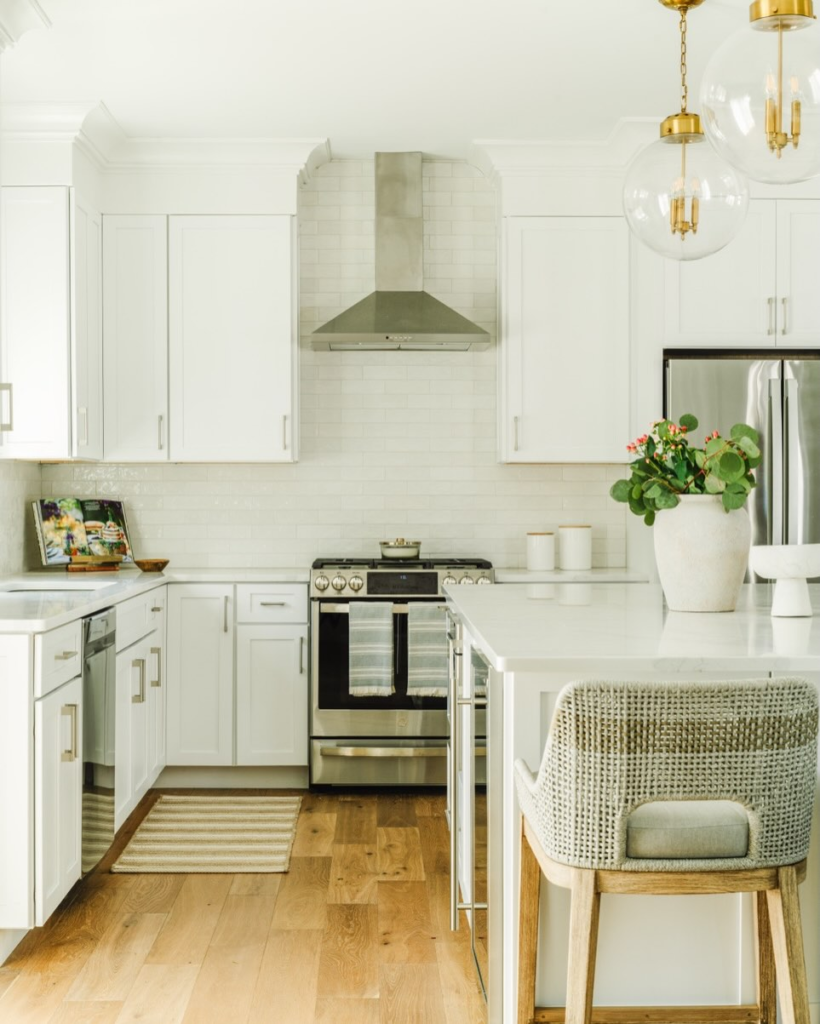
Material is one of the easiest ways to make an interior feel richer without filling it with unnecessary decoration. Combining metal with stone, wood, glass or woven textures can create contrast while keeping the overall palette controlled.
Regina Andrew works with materials such as alabaster, marble, crystal, walnut, brass, leather, ceramic and natural fibres across different parts of the collection.
A marble accent table, for example, introduces natural pattern through the stone itself. A brass light fixture provides a different type of visual warmth, while walnut can soften a room containing harder architectural surfaces.
The Joan Alabaster Table Lamp demonstrates the appeal of natural stone in lighting, while products such as the Segal Marble Mini Lamp combine decorative material with a compact footprint. The range also includes pieces such as the Rizzo Side Table, Galet Mirror and various sculptural accessories.
Natural materials can vary in colour, veining and texture. Buyers should therefore expect some individuality rather than assuming every stone or wood surface will look exactly like a digital product photograph.
These variations can become part of the appeal, particularly in rooms where perfectly uniform mass-produced finishes might otherwise feel flat.
Pieces That Can Transform Different Areas of the Home
The collection extends well beyond statement chandeliers.
Homeowners can explore
- Table and mini lamps for consoles, bedside tables and desks.
- Chandeliers and pendants for dining rooms, kitchens and entryways.
- Wall sconces for layered illumination and architectural interest.
- Mirrors for bedrooms, bathrooms, hallways and living spaces.
- Accent and side tables that combine decorative materials with practical surfaces.
- Sculptural objects and functional décor for shelves, consoles and coffee tables.
Regina Andrew also offers larger furniture, including seating, shelving, cabinets and tables.
This breadth allows customers to use one statement piece or develop a more complete interior. A dramatic chandelier may be enough to transform a dining room, while a quieter room could benefit more from a pair of sconces, a mirror and an accent table.
Decorative objects should generally be added after the larger elements are established. This helps prevent accessories from becoming visual clutter and makes it easier to identify where the room genuinely needs another detail.
Pros and Cons of Investing in Designer Home Pieces
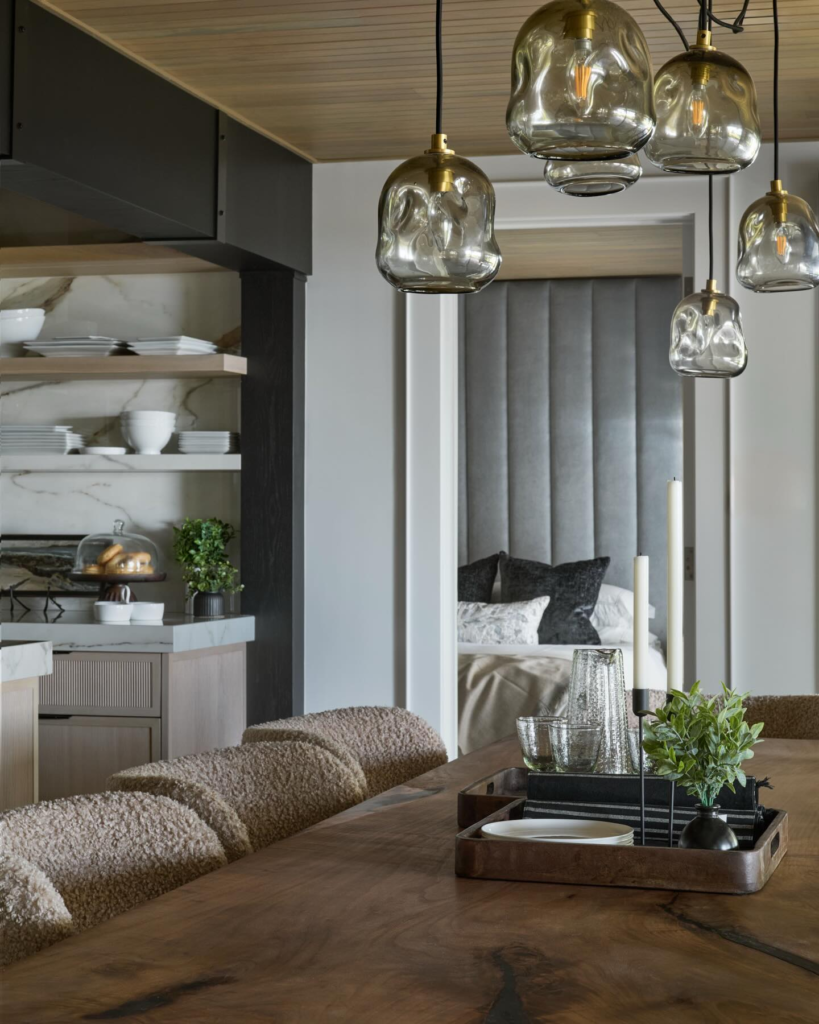
Distinctive design is the clearest advantage. Lighting and furniture can become visual features rather than disappearing into the background, which is particularly useful when a room needs character but does not require structural renovation.
Material variety is another strength. Stone, wood, metal, crystal, ceramic and other surfaces make it possible to introduce texture while keeping furniture colours relatively restrained.
The breadth of the catalogue also allows pieces to be selected for very different interiors. A highly decorative chandelier and a minimalist side table do not need to appeal to the same customer.
The principal consideration is cost. Designer lighting and furniture represent a larger investment than basic mass-market alternatives, particularly when premium materials or complex construction are involved.
Scale can also be difficult to judge online. A chandelier that looks proportionate in a product photograph may overwhelm a small dining area, while a tiny lamp can disappear on a large console.
Installation deserves attention too. Hardwired lighting should be installed appropriately, and buyers need to check dimensions, weight, electrical requirements and location ratings before ordering.
Designing a Room Around One Strong Statement
A successful room does not require every object to demand attention. In many cases, choosing one strong focal piece and allowing other elements to support it creates a more sophisticated result.
A chandelier from Regina Andrew can provide that starting point in a dining room or entrance. Its finish might then be echoed subtly through a table lamp, mirror frame or small decorative object rather than repeated on every surface.
Scale should guide the process. Dining fixtures need to relate to the table below them, while bedside lamps should provide useful illumination without overwhelming the nightstands. Mirrors should be considered in relation to the furniture and architecture around them.
Mixing materials can prevent an interior from feeling overly coordinated. Brass lighting does not require every table and accessory to be brass. Wood, marble, linen, leather and glass can provide contrast while still belonging to the same palette.
The same principle applies to styles. Contemporary furniture can work with a more decorative light fixture when proportions and materials create enough visual connection.
Craftsmanship and Design That Can Outlast Short Trends
Interior trends move quickly, but replacing substantial lighting and furniture every time a new look becomes popular is neither practical nor necessary. Regina Andrew describes its philosophy around timeless design, meaningful beauty and enduring craftsmanship, an approach reflected in pieces that prioritise form and material rather than novelty alone.
The company has been designing from Detroit since 1998 and produces collections for both individual homeowners and professional interiors. Its offering also extends into contract and hospitality applications, while trade services support interior designers and other professionals.
Longevity still depends on selecting thoughtfully. A fixture should work with the architecture and room proportions rather than being purchased simply because it is currently popular.
Care also matters. Natural stone, metal finishes, wood and upholstery have different maintenance requirements, and using the appropriate cleaning method helps preserve the original surface.
When a piece is selected for its material, scale and usefulness rather than a short-lived trend, it has a better chance of remaining relevant as surrounding décor changes.
Conclusion
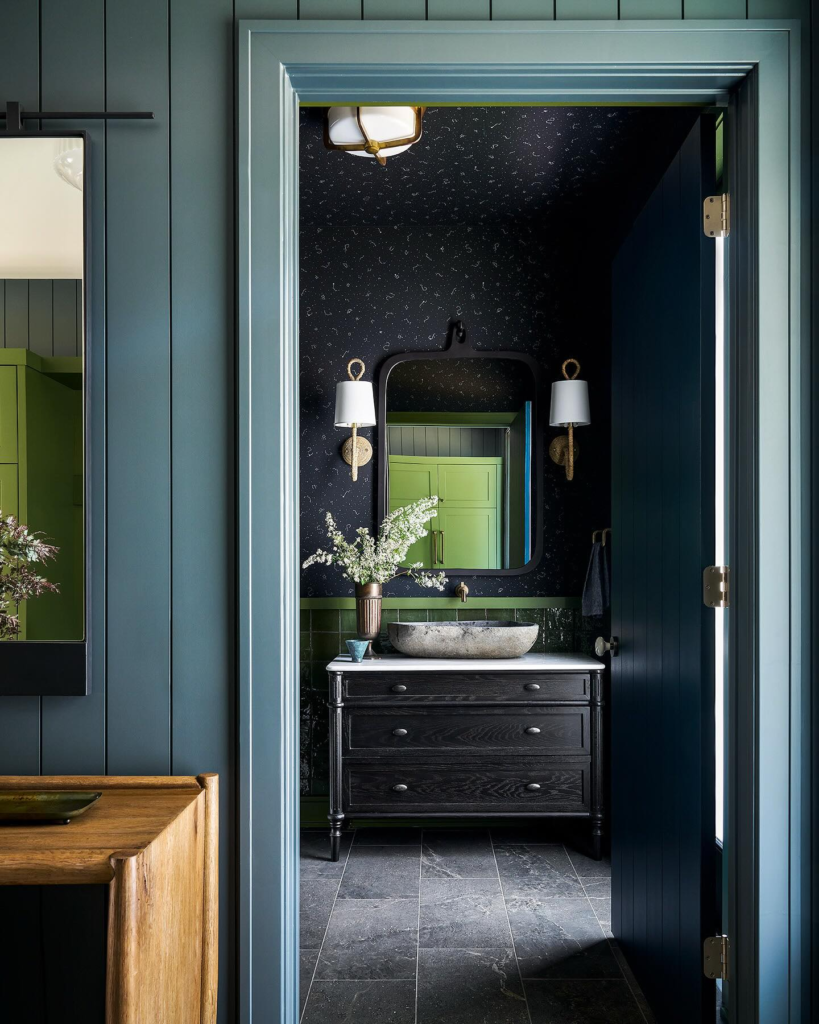
Lighting, furniture and décor have the power to change a room without changing its walls. A sculptural chandelier can establish a focal point, an alabaster lamp can introduce natural texture, a mirror can reshape the visual balance of a hallway and an accent table can combine practical function with distinctive material.
With chandeliers, sconces, lamps, mirrors, tables, seating and decorative accessories, Regina Andrew offers a broad design vocabulary for creating interiors with greater personality. Choosing pieces according to proportion, material and long-term appeal makes it possible to create a home that feels collected and expressive rather than simply decorated.