







Explore why luxury watches are timeless investment pieces that combine exceptional craftsmanship, heritage, and financial appreciation in ways few luxury goods can match.
A practical car-care routine does not have to occupy an entire cabinet or turn every weekend into a long detailing session. For many drivers, the real challenge is not a lack of products but too many overlapping ones. Separate bottles for paint, trim, wheels, light dust and quick shine can make a simple touch-up feel more complicated than it needs to be. A better routine starts by identifying the surfaces that need frequent attention, choosing tools that can handle more than one job and keeping the process easy enough to repeat consistently.
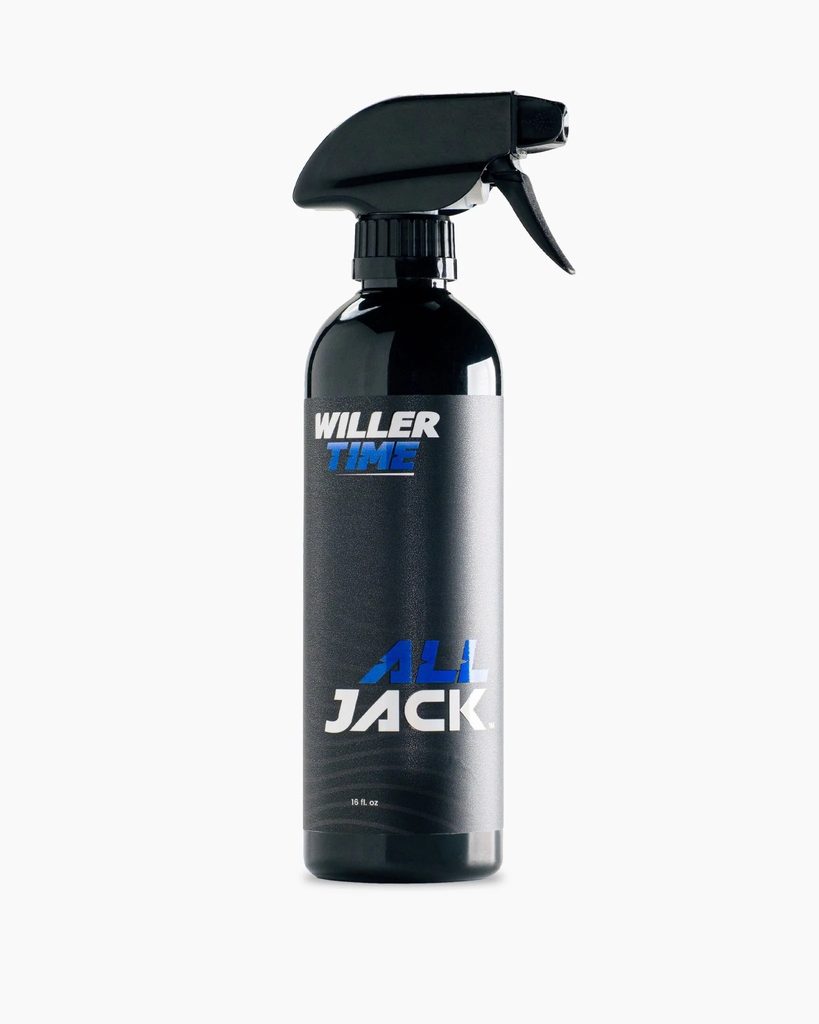
That approach fits the philosophy behind Willertime, a car-care brand built around simplifying regular detailing rather than adding more steps. Its All Jack detail spray is designed for several common vehicle surfaces, while its microfiber towels support the basic spray, wipe and buff routine that many owners use between deeper washes. The useful lesson is broader than any single product. A smaller kit works best when every item earns its place and the driver understands exactly when to use it.
Start With the Jobs That Happen Most Often
Most cars do not need a full correction, decontamination or wax session every week. They do, however, collect fingerprints, light road film, pollen, dust and small marks that make otherwise clean paint look neglected. Wheels can lose their fresh appearance after only a few drives, while interior plastics and trim quickly pick up visible smudges. A practical routine therefore begins with these high-frequency jobs rather than rare specialist tasks.
Drivers who organize products by frequency often find that a few versatile items handle most of the work. A quick detail spray, several clean microfiber towels and a sensible method for separating dirty cloths from clean ones can cover a surprising amount of routine maintenance. This is where Willertime becomes relevant without requiring the car owner to rebuild the entire shelf. The brand describes All Jack as a multi-surface detail spray intended for clear-coat paint, wheels, tires, trim and several other hard surfaces, making it the kind of product that can reduce switching between bottles during a short cleanup.
Keep the Routine Simple Enough to Repeat
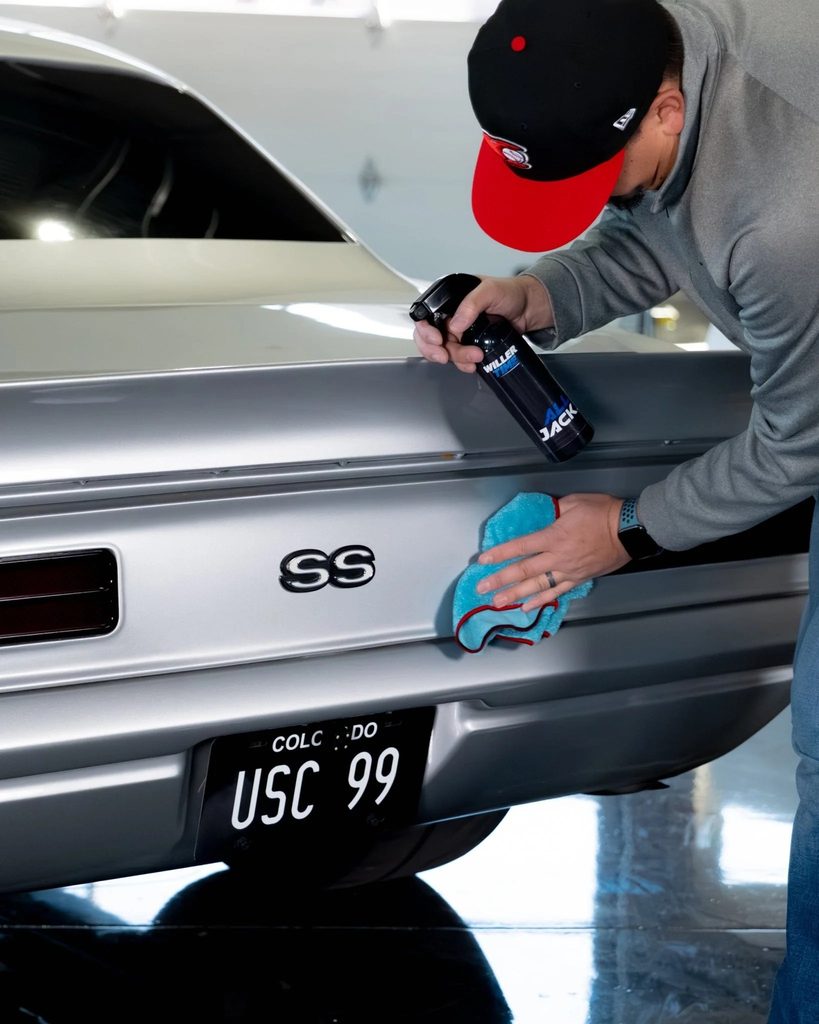
Consistency matters more than creating the longest possible checklist. A car that receives a careful ten-minute touch-up every few days can stay presentable more easily than one that is ignored until it needs a major recovery session. The routine should therefore be easy to start. The surface needs to be cool and dry, loose grit should be removed first and the towel should be clean enough that it does not drag contamination across the finish.
A driver can then work in small sections instead of trying to coat an entire vehicle at once. Light application helps reduce waste and makes final buffing easier. Willertime recommends a straightforward spray, wipe and buff process for All Jack, including the use of one microfiber for the initial wipe and a second dry side or towel for the finishing pass. The method is useful because it keeps the process controlled. The product does not replace a proper wash when a vehicle is heavily soiled, but it can make light maintenance quicker between washes.
A Small Kit Still Needs Clear Roles
Reducing the number of products does not mean treating every tool as interchangeable. Towels used on wheels should not return to delicate paint, and a cloth used around oily lower panels should be kept away from glass or interior surfaces. A small kit works best when each towel has a clear role and the driver rotates clean surfaces often.
A sensible compact setup can include the following items.
- A multi-surface detail spray can handle light cleaning and appearance maintenance on suitable surfaces.
- A stack of clean microfiber towels allows separate cloths for paint, wheels, trim and final buffing.
- A small storage bag or box keeps used towels away from fresh ones until they can be washed.
- A dedicated wash product should remain available for heavier dirt that should not be wiped directly.
- A soft brush can help with crevices, badges and areas that a flat towel cannot reach safely.
This setup leaves room for specialist products later, but it prevents the basic routine from becoming crowded. Willertime supports the same general idea through a limited car-care range centered on All Jack and microfiber towels rather than a long sequence of highly specific bottles.
Know When a Quick Detail Is Not Enough
The biggest mistake in a simplified routine is assuming that convenience makes preparation optional. A quick detailer is designed for light contamination, not a thick layer of road grime, sand or mud. When grit is visible, the vehicle should be rinsed or washed first so particles are not pressed into the finish. Hot panels should also be allowed to cool because fast evaporation can make any wipe-down harder to control.
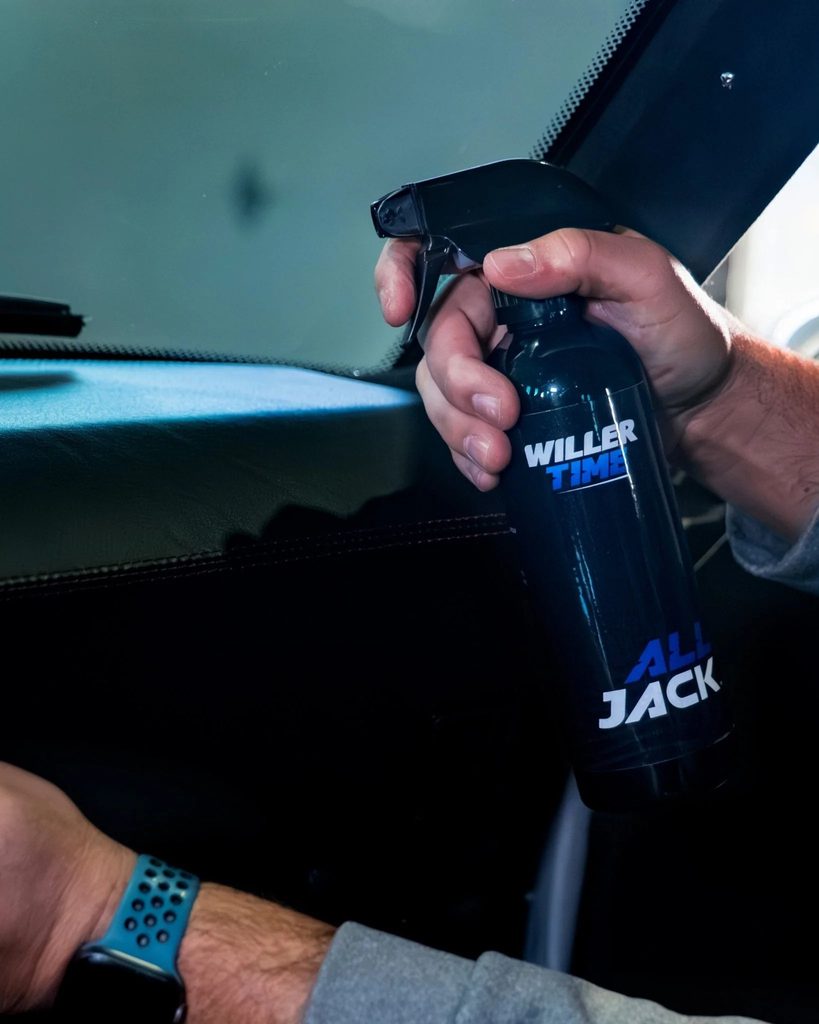
The same caution applies to unfamiliar finishes. Matte surfaces, raw metals and unusual coatings can react differently from ordinary clear-coated paint, so testing a hidden area is a sensible habit. The goal of a compact routine is not to use one product recklessly everywhere. It is to reduce unnecessary overlap while keeping good technique intact.
For drivers who prefer a short, repeatable process, Willertime represents one version of that simplified philosophy. The more important takeaway is that a clean car-care shelf should reflect actual use. When the most common jobs can be completed with a few well-understood tools, maintenance becomes faster, easier to repeat and far less likely to be postponed until the car needs a much bigger job.