






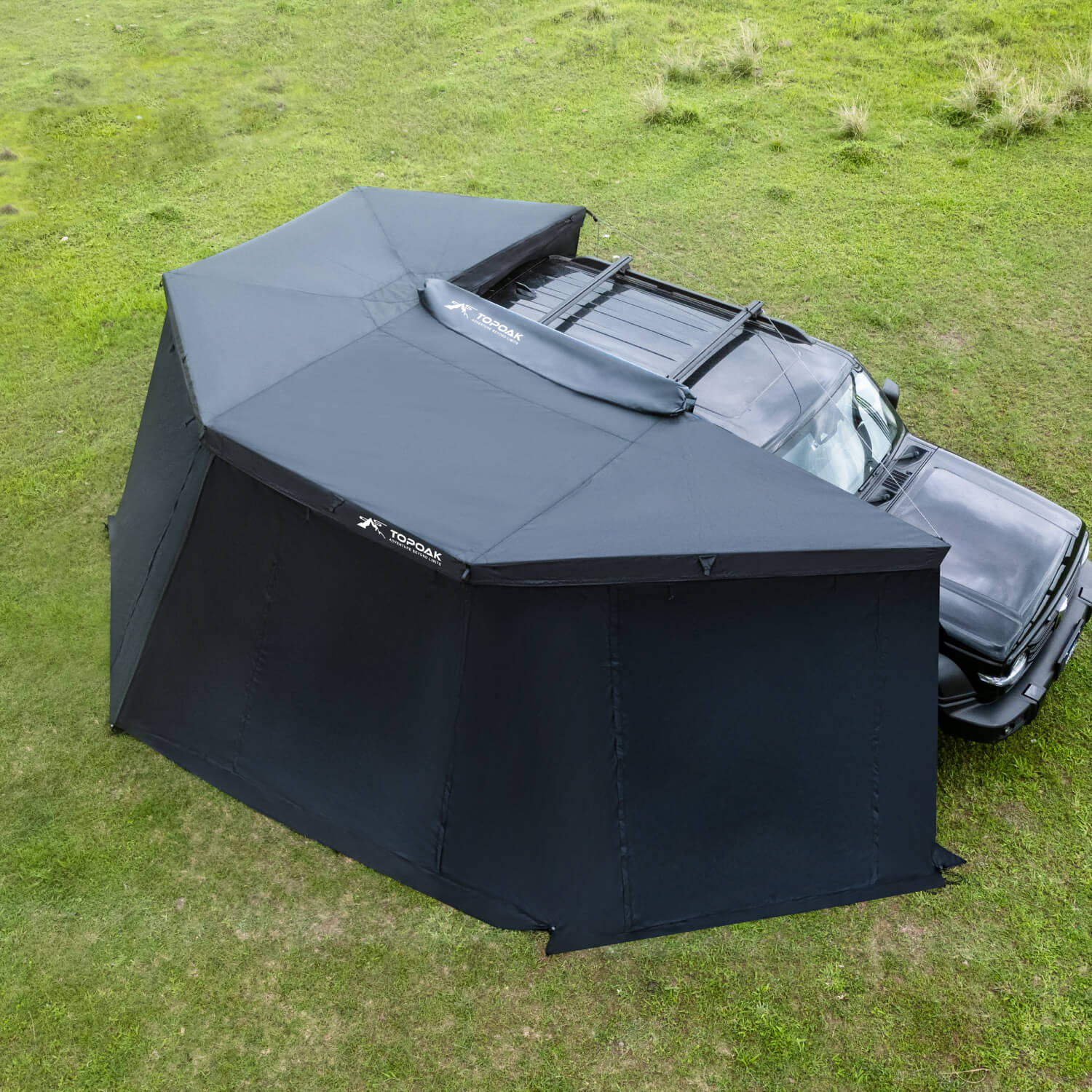
Prepare your vehicle for overlanding success with Topoakoverland guidance—maintenance, tires, suspension, protection, and reliability for off-road confidence.
Overlanding demands exponentially more from vehicles than highway driving ever could. Extreme terrain, extended distances from civilization and service, variable weather, and operating at capacity all stress vehicle systems in ways manufacturers never intended. Preparation determines absolutely whether your vehicle performs reliably or fails catastrophically at critical moments. Topoakoverland provides comprehensive knowledge and equipment to ensure your vehicle is genuinely ready for whatever overlanding demands.
Maintenance Beyond Standard Intervals
Factory maintenance schedules assume normal highway driving patterns. Overlanding is anything but normal in any way. Dust infiltrates more quickly, fluid temperatures run hotter consistently, and components endure constant strain and impact. Topoakoverland recommends preparation and maintenance that goes well beyond standard intervals because overlanding conditions demand it absolutely.
Fluid changes become more frequent. Filter replacement cycles shorten dramatically. Suspension inspections happen more often. These aren’t luxuries, they’re necessities when your vehicle is your lifeline in remote locations far from help. Preventive maintenance prevents emergencies that could strand you for days. Oil changes every 3,000-5,000 miles account for dusty conditions. Air filter replacement may happen twice per season in sandy terrain.
Tire Selection and Pressure Management Strategy
Tire choice determines overlanding success more than any other single variable or decision. Wrong tires transform enjoyable off-road driving into dangerous struggles and potential accidents. Topoakoverland expertise helps you select exactly the right tires appropriate for your terrain and driving style.
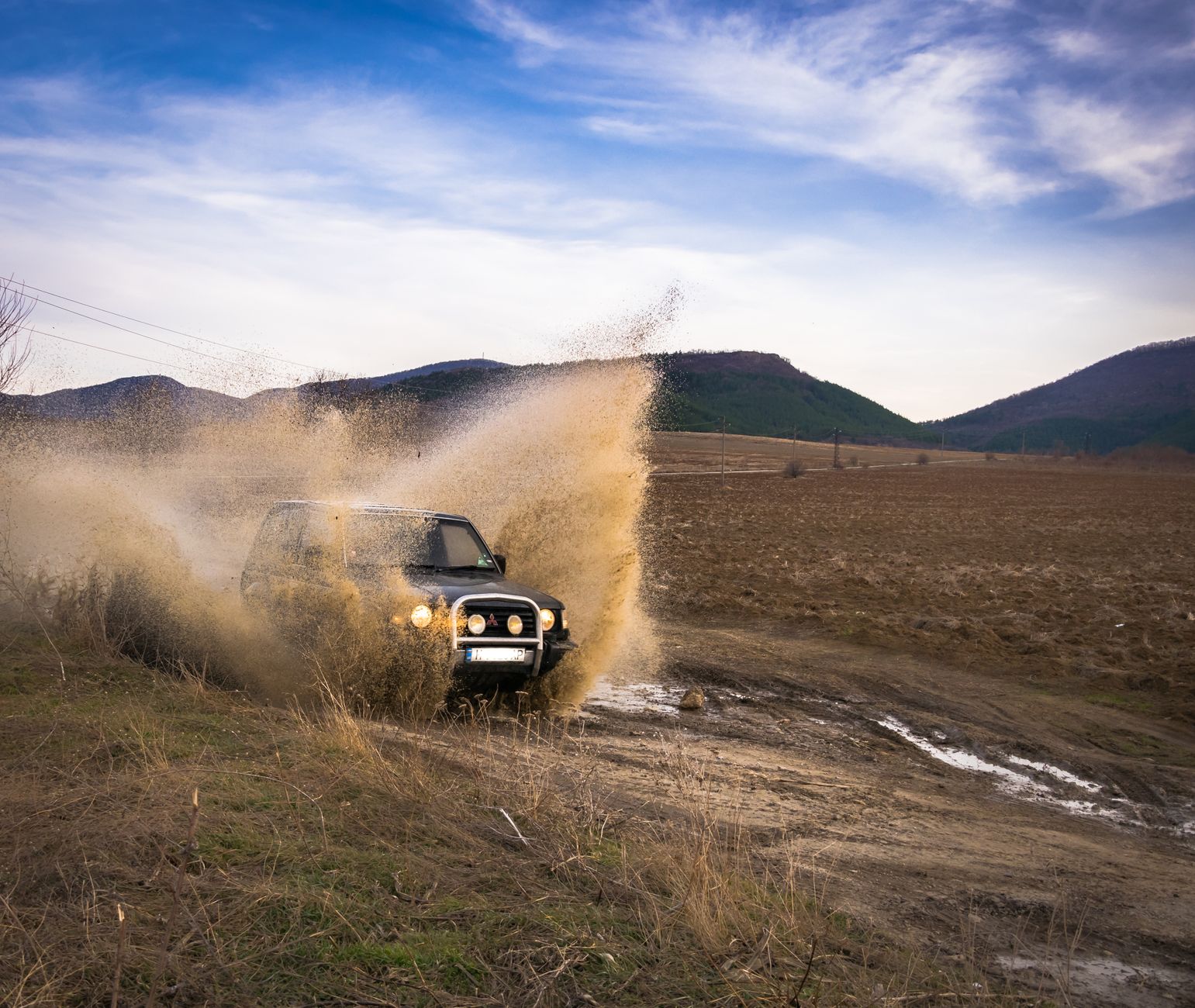
Pressure management systems allow real-time adjustment without stopping, transforming traction dramatically across different surfaces. Sand, rock, mud, and asphalt all demand completely different tire pressures for optimal performance. The ability to adjust without stopping is absolutely critical for success. Proper tire pressure dramatically improves traction and reduces tire damage from rocky terrain significantly. Sand requires pressures around 15-20 PSI for flotation. Rock and mud benefit from 25-35 PSI for puncture resistance and traction. Highway speeds demand 35+ PSI for fuel economy and handling safety.
Suspension Upgrades for Rough Terrain Navigation
Factory suspensions prioritize highway comfort, not legitimate off-road capability. Overlanding demands suspension that handles extreme articulation, carries heavy loads, and survives rough terrain intact. Topoakoverland selections balance comfort with capability thoughtfully.
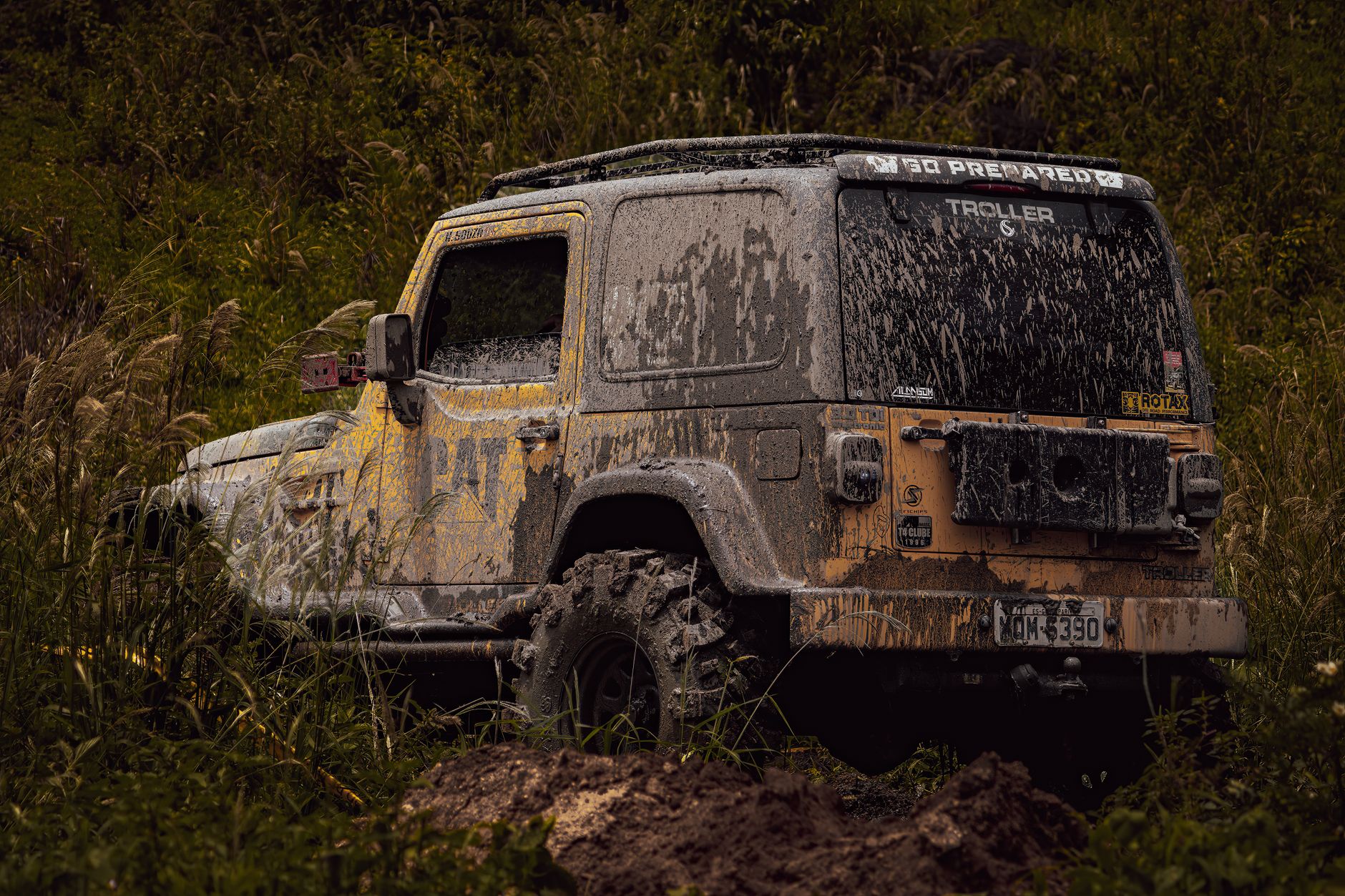
Lifted suspensions aren’t just for appearance—they provide essential clearance for extreme terrain. However, suspension must maintain control and comfort during extended use. That balance requires careful thoughtful selection. Poor suspension makes driving difficult terrain exhausting and potentially dangerous. Aftermarket coilovers and leaf springs provide better articulation than factory suspensions while maintaining on-highway comfort through advanced damping technology.
Protection and Underbody Defense Systems
Overlanding exposes undercarriage components to constant rock strikes, water crossings, and extreme impacts. Unprotected systems fail catastrophically, sometimes ending expeditions. Topoakoverland provides comprehensive protection systems engineered specifically for actual overlanding hazards.
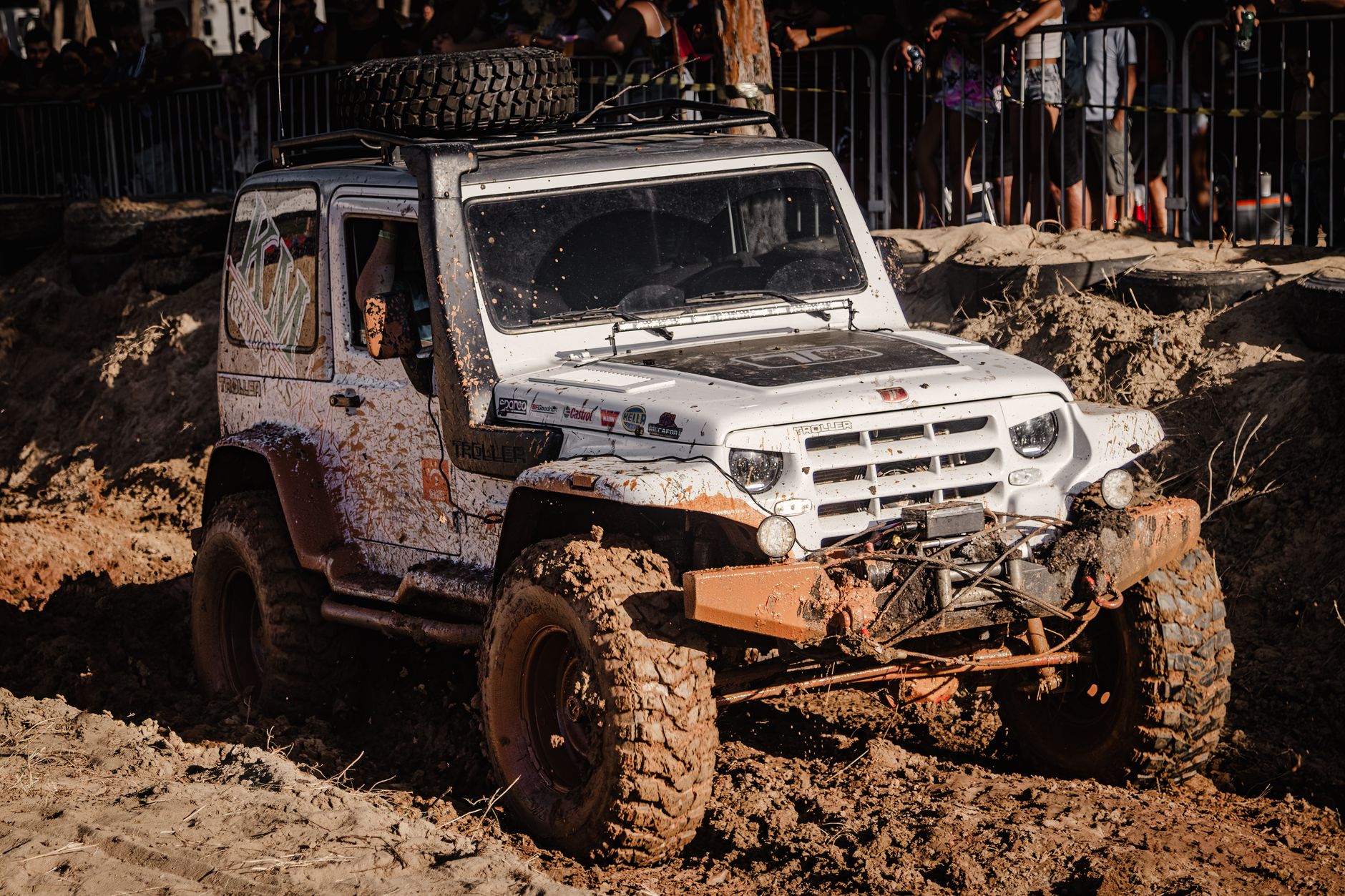
Skid plates protect critical systems effectively. Fuel tank protection prevents catastrophic damage from impacts. Engine protection resists rock impacts completely. These systems aren’t optional—they’re mandatory for reliable overlanding. A single unprotected component failure can end your expedition immediately and dangerously. Aluminum and steel plates distribute impact force across larger areas, preventing penetration of vital components.
Electrical System Redundancy and Capacity
Overlanding means extended periods far from charging infrastructure. Electrical systems must support multiple devices simultaneously while remaining completely reliable. Topoakoverland recommends systems that prioritize redundancy and capacity throughout.
Dual batteries, quality alternators, and proper wiring ensure you can run lighting, refrigeration, communication equipment, and vehicle electronics simultaneously without compromising starting capability. Dead batteries in remote locations create true emergencies that proper electrical systems prevent completely. Auxiliary battery systems with independent charging allow device operation without affecting starting capability.
Water Crossing Preparation and Protection
Water crossings present unique challenges and failures. Engine air intakes, electrical systems, and mechanical components must survive complete water submersion without damage. Topoakoverland guidance includes comprehensive water crossing specific preparations that prevent catastrophic damage from river fords. Air intake snorkels route air from roof height, preventing water ingestion completely. Differential breathers allow pressure equalization without water intrusion.
Tools and Spare Parts Strategic Selection
Overlanding means carrying repair capability for probable failures. Strategic tool selection means you’re prepared for actual problems, not theoretical ones. Topoakoverland helps identify which spare parts and tools matter most for your specific vehicle. Spare belts, hoses, fuses, and fluids address most common failures that occur far from civilization.
Pre-Trip Inspection Protocol and Checklists
Before every expedition, comprehensive vehicle inspection determines readiness completely. Topoakoverland provides detailed checklists ensuring nothing gets overlooked. Fluid levels, tire condition, brake performance, lights, and mechanical soundness all require verification before departing for remote terrain.
Seasonal Preparation and Weather Considerations
Overlanding in different seasons requires different preparation approaches. Cold weather demands battery capacity increases and coolant verification. Hot seasons require cooling system upgrades for extreme temperatures. Topoakoverland guidance addresses seasonal variations comprehensively so you’re prepared year-round.
Vehicle Confidence for Overlanding Success
Proper preparation transforms overlanding from nerve-wracking to genuinely enjoyable and safe. Topoakoverland guidance ensures your vehicle is ready for whatever terrain and conditions you encounter, allowing you to focus completely on the adventure rather than worrying about mechanical failure.