





Technology continues to reshape the way people experience the world, and underwater exploration is no exception. What was once limited to professional divers, marine researchers, and specialized industries is now becoming increasingly accessible to hobbyists, content creators, travelers, and adventure enthusiasts. One of the key innovations driving this change is the rise of underwater drones.
CHASING has emerged as one of the recognizable names in this growing field by developing underwater drone technology designed for both recreational and professional use. As interest in ocean exploration, underwater photography, and marine research expands, remotely operated underwater devices are opening new possibilities beneath the surface.
The Growing Appeal of Underwater Exploration
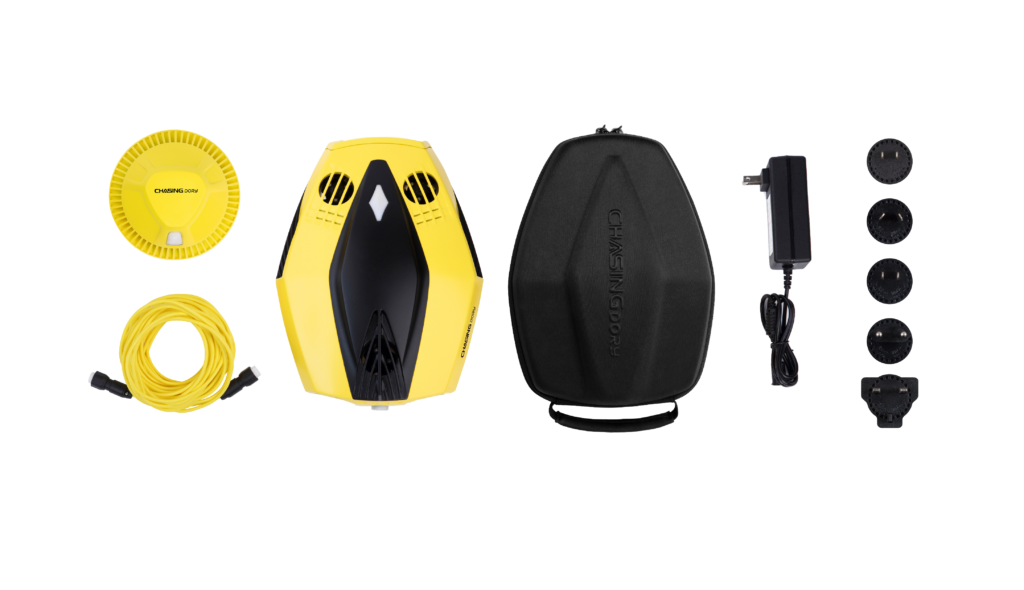
Oceans, lakes, and rivers have always fascinated people. Beneath the water lies a world that remains largely unseen by most individuals. Traditional diving offers one way to explore these environments, but it often requires training, physical endurance, and specialized equipment.
Underwater drones provide an alternative approach that allows users to experience underwater environments from a safer and more accessible perspective. Controlled remotely from the surface, these devices can capture footage, inspect underwater structures, and navigate areas that may be difficult for divers to reach.
As technology becomes more compact and user-friendly, underwater drones are attracting a wider audience interested in exploration, creativity, and discovery.
Advancing Underwater Photography and Videography
One of the biggest reasons for the popularity of underwater drones is their ability to capture stunning underwater visuals. Clear footage of marine life, coral reefs, shipwrecks, and underwater landscapes has become increasingly valuable for filmmakers, photographers, travel creators, and social media enthusiasts.
Modern underwater drones often include high-definition cameras, stabilization systems, lighting features, and precise movement controls that help users create professional-looking content.
Unlike traditional underwater filming, remotely operated systems allow users to record footage without physically entering the water. This can simplify content creation while also making underwater photography more accessible to beginners.
Travel vloggers, adventure creators, and outdoor enthusiasts are increasingly using underwater drones to capture unique perspectives that stand out in digital media.
Supporting Marine Research and Education
Beyond recreation, underwater drone technology is also contributing to scientific research and educational initiatives. Marine researchers often use remotely operated vehicles to study aquatic ecosystems, monitor wildlife, and inspect underwater environments with reduced disturbance.
Educational institutions can also use underwater drones to help students better understand marine biology, environmental science, and underwater engineering.
Because these devices can access areas that may be difficult or unsafe for humans, they provide valuable opportunities for observation and data collection.
As environmental awareness continues to grow, technology that supports ocean education and conservation may become increasingly important in helping people better understand aquatic ecosystems.
Applications Beyond Recreation

Underwater drones are not limited to entertainment or research. They are also finding practical use in several industries.
Common professional applications include:
- Boat and hull inspections
- Infrastructure monitoring
- Search and recovery operations
- Aquaculture management
- Underwater surveying
- Dam and pipeline inspections
Remote underwater technology can improve efficiency while reducing risks associated with manual underwater inspections.
Businesses and professionals often benefit from being able to access underwater environments quickly without requiring full diving teams for certain tasks.
User-Friendly Innovation
One reason underwater drones are becoming more popular is the increasing focus on user-friendly design. Earlier underwater robotics systems were often expensive and highly technical. Modern devices are becoming more compact, portable, and easier to operate.
Many systems now include:
- Smartphone or tablet integration
- Real-time video streaming
- Simple control systems
- Enhanced battery performance
- Lightweight designs for travel
These features help make underwater exploration more approachable for beginners while still offering advanced capabilities for experienced users.
As consumer technology improves, underwater drones may become as common for adventure travelers as aerial drones are today.
The Role of Innovation in Outdoor Adventure
Adventure technology continues evolving as people seek more immersive and interactive experiences. Underwater drones combine exploration, creativity, and technology in a way that appeals to a wide range of users.
Whether exploring coastal waters during a vacation, documenting marine wildlife, or conducting professional inspections, these devices allow users to interact with underwater environments in new and exciting ways.
The ability to safely observe underwater ecosystems without direct physical contact also aligns with growing interest in responsible and environmentally conscious exploration.
Looking Toward the Future
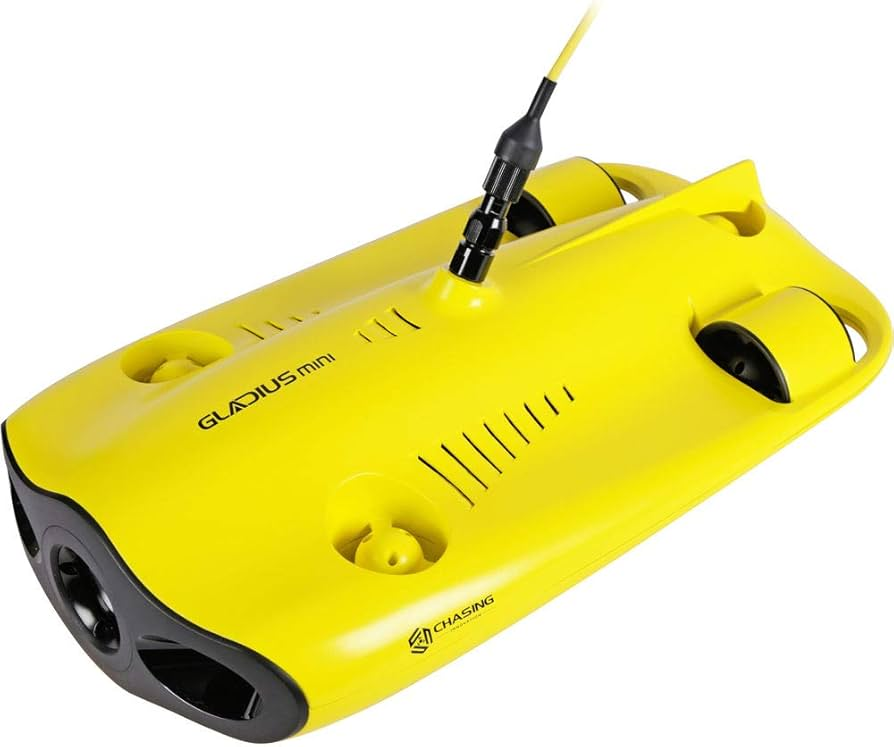
The future of underwater drone technology appears promising as innovation continues improving camera quality, mobility, battery life, and intelligent navigation systems.
Artificial intelligence, obstacle avoidance, automated tracking, and enhanced imaging technologies may further expand the capabilities of underwater exploration devices in the coming years.
CHASING represents part of this rapidly growing industry focused on making underwater discovery more accessible to professionals, researchers, and everyday adventure enthusiasts alike.
As curiosity about the underwater world continues to grow, technology will likely play an even greater role in helping people safely and creatively explore the hidden environments beneath the surface.