





There’s an intimacy to close-up magic that stage illusions simply cannot match. When someone sitting across from you at a table watches a card vanish from your hand or a coin multiply impossibly before their eyes, something shifts. The wonder is immediate. The mystery is right there. Close-up magic is arguably the most captivating form of magic because it happens right in front of people with minimal setup or distance between performer and spectator. It’s also deeply rewarding to master because it requires precision, practice and genuine skill. This guide will help you understand the art of close-up magic and guide your journey into this fascinating world.
Why Close-Up Magic Creates Lasting Impact
Close-up magic has a unique power over people’s sense of reality. When something impossible happens just feet away from you, when you can examine the props and find nothing amiss, your mind struggles to explain it. This cognitive tension is what creates the wonder. Close-up magicians are often the most respected in the magic community because close-up magic is the hardest to accomplish convincingly. There’s nowhere to hide. You’re right there with your audience. Magic Makers, Inc. teaches that true mastery in magic comes through understanding the principles that make close-up magic work. The audience is close enough to see everything, yet you’ve still managed to create an impossible moment. That’s the pinnacle of magical skill.
Understanding Card Magic Fundamentals
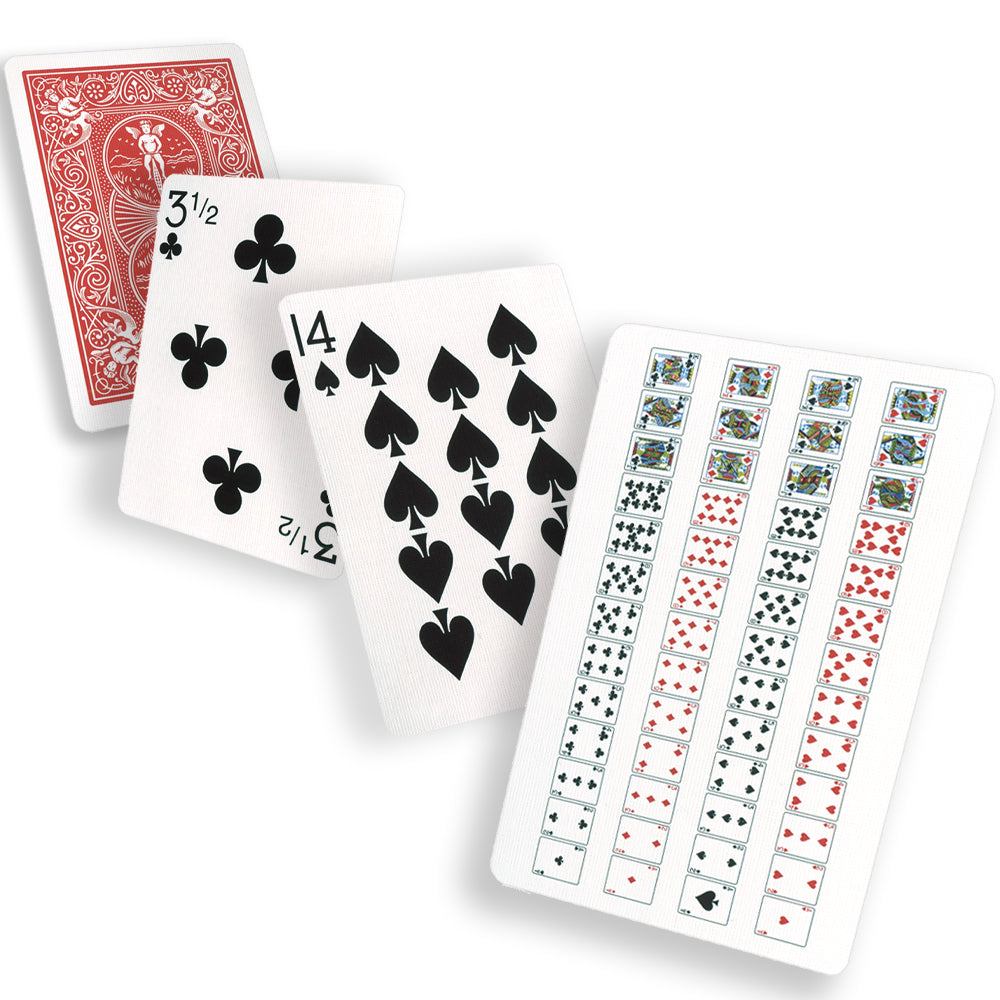
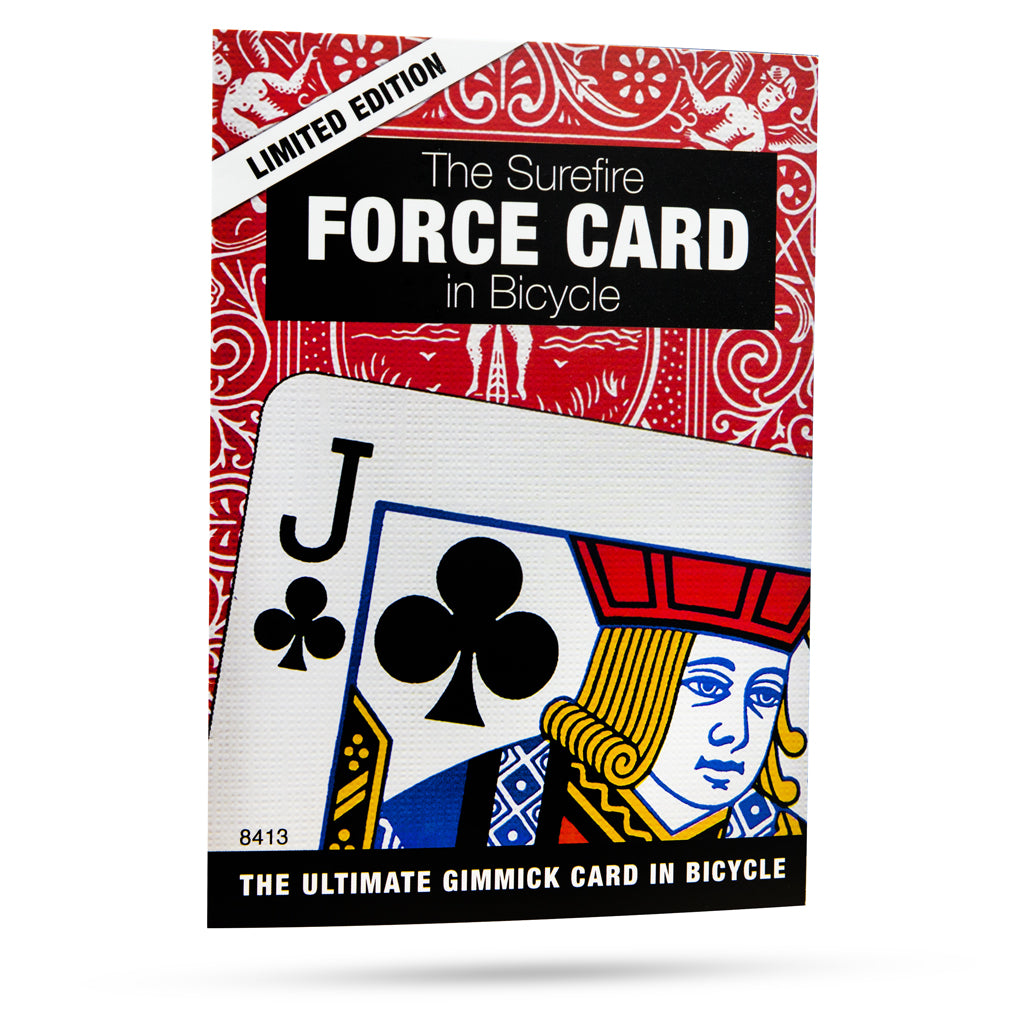
Card magic is the foundation of close-up magic. A standard deck of playing cards is perhaps the most versatile prop available to a magician. With it, you can perform hundreds of different effects. But mastering card magic requires understanding core techniques like controlling cards, forcing cards and controlling their position in the deck. A card force is when you appear to let someone choose any card from the deck, but you actually ensure they get the card you want them to have. Magic Makers, Inc. offers detailed instruction in these foundational techniques. Once you understand these principles, you can move beyond simple tricks and create truly puzzling effects. The beauty of card magic is that these techniques, once learned, open infinite possibilities.
The Role of Sleight of Hand in Close-Up Magic
Sleight of hand refers to manual dexterity and the subtle movements that make magic happen. It sounds complicated, but most sleights are learnable with practice. The false shuffle makes people believe you’ve shuffled the deck when you actually haven’t. The double lift allows you to show one card while holding another. These techniques seem impossible at first, but they become natural with repetition. Magic Makers, Inc. teaches sleight of hand through clear, step-by-step instruction. The key to learning sleights is understanding that magicians aren’t naturally more dexterous than anyone else. They simply practice specific movements until they become second nature. Start slowly and build speed only after perfecting the motion.
Misdirection The Most Powerful Tool in Close-Up Magic
Misdirection is arguably more important than sleight of hand. Misdirection means controlling where people look and what they pay attention to. If you perform a clever sleight while everyone is watching your hands, they’ll catch it. But if their attention is elsewhere, they won’t see it even though you’re doing it right in front of them. The best close-up magicians are masters of misdirection. They control attention through their eyes, their words, their body language and their positioning. Magic Makers, Inc. emphasizes that understanding attention and psychology is essential. A magician who masters misdirection can accomplish impossible things with minimal sleight of hand. A magician who only relies on sleight of hand will be caught every time.
Building Your Close-Up Magic Practice Regimen
Learning close-up magic requires consistent practice. Set aside dedicated time to learn new techniques and perfect your existing ones. Practice in front of a mirror so you can see your performance from the audience’s perspective. This is crucial for refining your misdirection and detecting any visible sleights. Practice with real people as much as possible. What looks good to you in a mirror might be too obvious to an actual spectator. Magic Makers, Inc. provides structured learning paths that break complex techniques into manageable steps. Record yourself performing so you can analyze your movements objectively. The more you practice, the more confident you become and confidence is essential to convincing performance.
The Psychology of Wonder in Close-Up Magic
Understanding how people perceive and remember events is fundamental to close-up magic. People remember the emotional impact of your magic far more than the specific details of how it worked. They remember the moment they realized something was impossible. They remember their own disbelief and wonder. They remember how you made them feel. Magic Makers, Inc. teaches that great magicians understand psychology as much as technique. The presentation, your personality, your timing and your emotional connection with the audience are often more important than the specific sleights you use. Master these psychological elements and your magic will be unforgettable.
- Start with card magic and learn foundational techniques like controls and forces
- Practice sleights slowly and deliberately before building up speed
- Master misdirection through deliberate control of attention and perception
- Practice regularly in front of mirrors and real people for honest feedback
- Focus on the psychology of wonder and emotional connection with your audience
Close-up magic is a lifelong journey of learning, practice and refinement. Each technique you master opens new possibilities. Each performance teaches you something new about engaging your audience. With dedication and the right guidance from resources like Magic Makers, you’ll develop the skills to create genuine wonder in your spectators.