



Explore how contemporary Christian artists blend traditional faith with modern techniques, abstract approaches, cultural diversity, and social justice themes.
Religious art has evolved dramatically over centuries, reflecting the times, technologies and perspectives of each era. Contemporary Christian artists navigate a unique landscape where traditional iconography meets digital possibilities, minimalist aesthetics challenge ornate traditions and diverse cultural perspectives enrich interpretation. Modern religious art pushes boundaries while maintaining spiritual authenticity, creating work that speaks to current audiences without abandoning timeless faith truths.
Today’s religious art landscape celebrates pluralism and experimentation in unprecedented ways. Abstract expressionism conveys spiritual transcendence beyond literal representation. Installation art creates immersive sacred experiences engaging multiple senses. Photography captures divine moments in everyday life. Digital art reaches global audiences instantly. Mixed media combines unexpected materials creating powerful statements about faith and culture. This expanded artistic vocabulary allows contemporary artists to explore theological questions with fresh approaches and new possibilities. Christian Art Workshop embraces contemporary techniques while honoring artistic traditions spanning centuries.
The Evolution from Classical to Contemporary Approaches
Classical religious art followed established conventions, precise biblical accuracy, hierarchical composition, reverent figurative representation. These traditions created powerful devotional works guiding spiritual contemplation for generations. Contemporary approaches expand beyond these parameters without dismissing their value and historical importance. Modern artists ask fresh questions What would this biblical narrative look like today? How do current events illuminate ancient stories? What does justice look like in contemporary religious expression? These explorations create work relevant to modern believers wrestling with current complexities and spiritual questions.
Technology revolutionizes artistic possibility and access completely. Digital tools enable artists worldwide to collaborate and share instantaneously. Social media platforms distribute work beyond traditional gallery gatekeeping and institutional filters. 3D printing creates sculptures impossible to hand-carve through traditional methods. Video and animation tell stories with dynamic immediacy and emotional impact. Virtual reality constructs spiritual environments transcending physical space limitations. Artists embracing these tools maintain artistic integrity while leveraging contemporary capabilities for expanded reach and meaning-making.
Exploring Abstract and Non-representational Religious Art
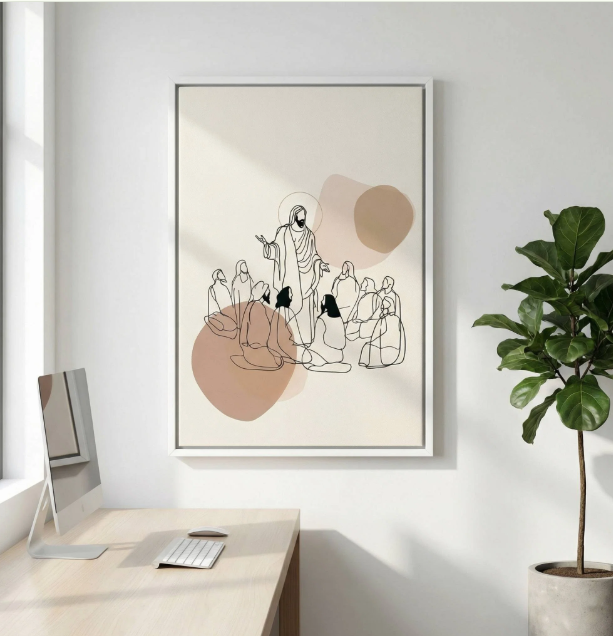
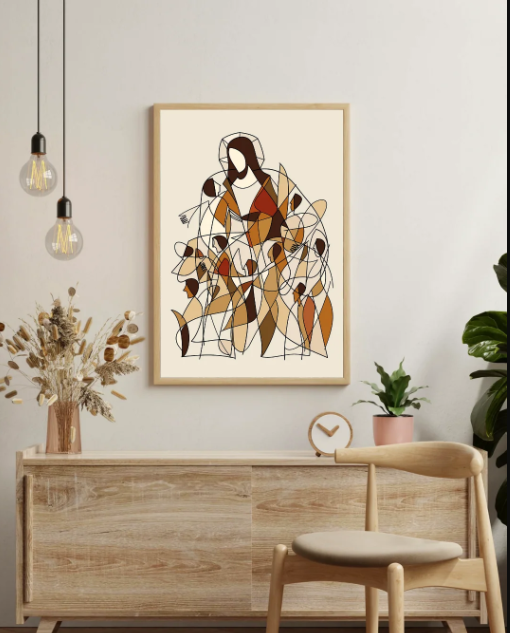
Abstract religious art initially puzzled many faithful viewers accustomed to recognizable figures and scenes. Yet abstraction offers profound spiritual possibilities beyond narrative illustration. Color and form communicate emotion and meaning beyond literal depiction. Geometric patterns reflect divine order underlying creation. Gestural marks convey spiritual passion and yearning. Minimalism strips away distraction, focusing attention on essential spiritual truth. These approaches invite contemplation distinct from narrative-driven traditional work, opening new pathways for faith expression.
Non-representational religious art requires viewers to bring their own spiritual experience to interpretation. A painting of pure color and movement means something different to each observer based on their faith journey. This participatory aspect creates powerful personal connection. Rather than telling believers what to think, abstract approaches invite exploration and dialogue. This democratic quality appeals to modern viewers seeking active engagement rather than passive reception. Christian Art Workshop guides artists through both representational and abstract religious expression, honoring diverse theological and aesthetic perspectives.
Cultural Diversity Enriching Religious Artistic Expression
Contemporary religious art increasingly reflects global Christian perspectives beyond Western European traditions. African, Asian, Latin American and Indigenous Christian artists bring unique visual vocabularies shaped by their cultural contexts and traditions. This diversity challenges monolithic religious imagery, revealing how faith expresses itself across varied traditions and aesthetics. A Kenyan artist’s approach differs fundamentally from a Scandinavian contemporary’s, reflecting different histories, spiritual emphases and artistic influences. Christian Art Workshop
This cultural pluralism strengthens religious art overall. Traditional Western religious imagery, while valuable, represents only one expression of global Christianity. Contemporary audiences benefit from encountering faith through multiple cultural lenses and perspectives. This exposure creates empathy, understanding and appreciation for Christianity’s breadth and depth. Modern religious artists increasingly celebrate these differences as artistic strength rather than deviation from authentic tradition. Christian Art Workshop
Addressing Social Justice Through Spiritual Art
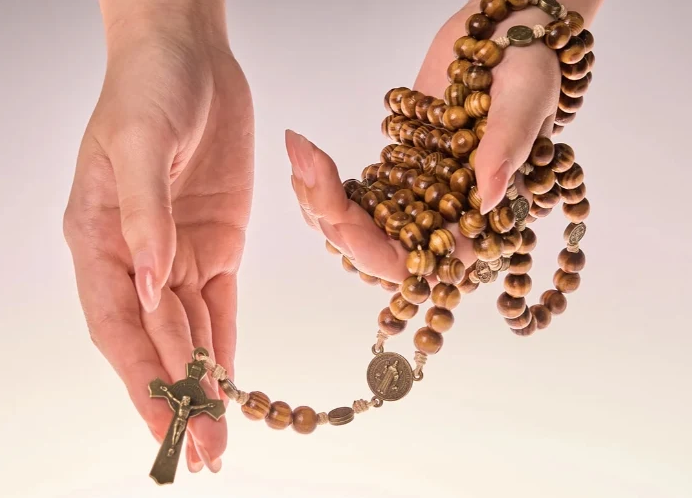
Many contemporary religious artists address social concerns through their work, racial justice, environmental stewardship, LGBTQ+ inclusion, refugee crises, economic inequality. This activist dimension reflects biblical emphasis on justice and compassionate witness. Religious art becomes vehicle for prophetic voice, challenging complacency and inspiring action. Such work risks controversy but honors faith’s call to speak for the marginalized and advocate systemic change and human dignity.
This movement reclaims art’s prophetic tradition with force and clarity. Biblical prophets used visual metaphors and symbolic actions alongside words to communicate truth. Contemporary artists continue this tradition using modern materials and mediums. Whether using sacred imagery to critique injustice or amplifying silenced voices through art, these creators blend faith and activism
- Installing art in public spaces drawing attention to social injustice
- Using sacred imagery to critique systems causing suffering
- Creating work centered on excluded communities’ spiritual experiences
- Producing collaborative pieces engaging communities in dialogue
- Combining traditional symbols with contemporary subject matter
Finding Your Voice in Contemporary Religious Expression
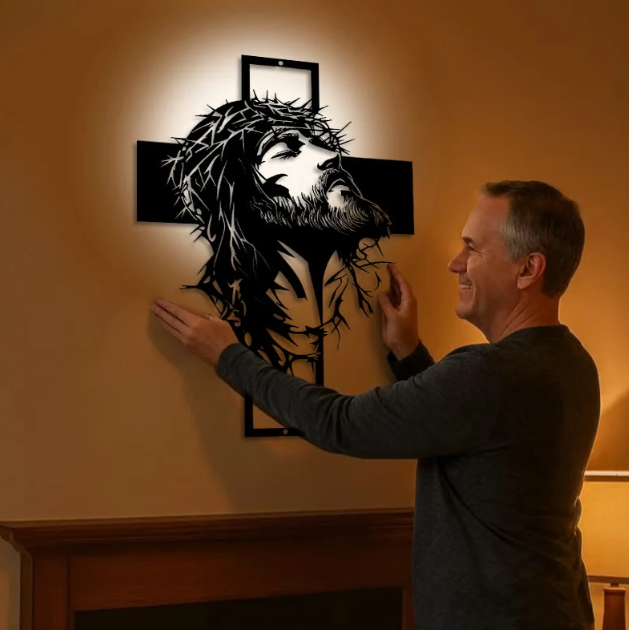
Artists developing contemporary religious work must navigate personal authenticity alongside theological integrity carefully. Your voice should reflect genuine faith exploration rather than performing expected piety. Contemporary audiences recognize and respond to honest struggle over manufactured certainty. Whether your work expresses doubt, joy, questioning or conviction, authenticity matters most.
Develop your voice through studying contemporary religious artists, exploring your unique perspective and experimenting fearlessly. Christian Art Workshop supports contemporary artistic exploration while maintaining spiritual foundations. Your distinctive approach brings something irreplaceable to global religious artistic conversation. Trust your vision, pursue technical skill development and share your authentic spiritual expression boldly with the world around you.