





Discover how Tinyland open-ended toys support brain development, creativity, and resilience through play-based learning grounded in child development science.
Children’s brains are like sponges for experience. Every interaction, every challenge, every moment of discovery shapes neural pathways and builds cognitive capacity. But not all toys support this growth equally. Some toys prescribe exactly how they should be used, leaving no room for imagination. Others are so open-ended that children get lost without guidance. Tinyland toys occupy that sweet spot where creativity flourishes naturally.
Open-Ended Play Creates Neural Architecture
Neuroscience reveals that children learn most effectively when they’re solving problems independently. When a child figures out how to build a structure using Tinyland blocks, their brain isn’t just learning about balance and physics—it’s building executive function, spatial reasoning, and confidence in their own problem-solving ability.
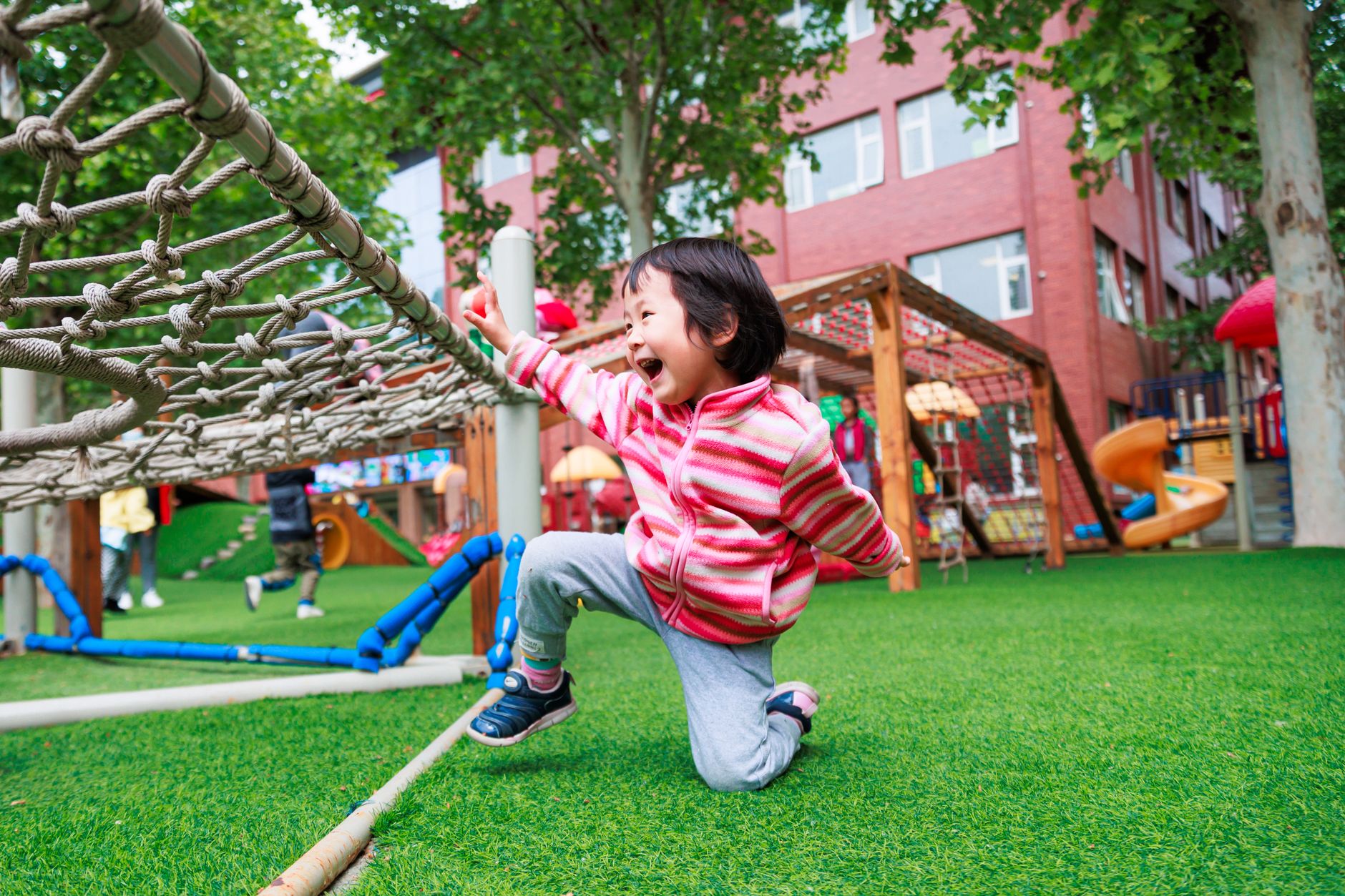
This neurological development doesn’t happen passively. It requires active engagement with toys that challenge without overwhelming. Tinyland designs specifically for this—creating tools that invite exploration rather than dictating outcomes.
Imagination Requires Blank Canvases
A toy that beeps and lights up according to its programming leaves no room for your child’s imagination to take over. A Tinyland block becomes whatever your child envisions—a castle, a spaceship, an abstract art installation. That flexibility is essential for creative development.
Creativity researcher Mihaly Csikszentmihalyi found that flow states—where children are completely absorbed in activity—require challenges matched precisely to skill level. Tinyland toys enable this flow by offering open-ended possibilities that children can adjust to their own capability. Your child finds the challenge level naturally, engaging in that sweet spot where growth happens.
Resilience Through Controlled Challenge
Children need to experience failure in safe contexts to build resilience. When your child builds a Tinyland structure that falls over, they’ve experienced failure with zero consequences. They try again, adjusting their approach based on what they learned. This cycle builds confidence and problem-solving.
Toys that are too easy create boredom. Toys that are too hard create frustration and avoidance. Tinyland hits the middle—genuinely challenging but always achievable with persistence and creativity.
Language Development Through Unstructured Play
Research shows that children develop language most naturally through play, not instruction. When two children play together with Tinyland toys, they negotiate, explain, problem-solve, and collaborate—all activities that build vocabulary and communication skills.
Structured educational toys often interrupt this natural learning by prescribing exactly what children should do. Tinyland steps back and lets children teach each other, building social and linguistic competence simultaneously.
Mathematical Thinking Emerges Naturally
Children don’t need to be taught math to develop mathematical thinking. When they arrange Tinyland blocks, they’re exploring symmetry, patterns, balance, and proportion. They’re developing number sense through counting without realizing they’re doing mathematics.
This organic approach to learning is more effective than flashcards or apps because it’s intrinsically motivated. Your child engages because the activity is genuinely interesting, not because they’re trying to meet external expectations.
Screen-Free Development in a Digital Age
In an era where screen time dominates childhood, Tinyland offers something increasingly rare: unmediated play. No screens, no algorithms, no notifications. Just physical interaction with quality materials and the space to let imagination lead.
This matters because early childhood development depends on sensory experiences and physical engagement. Your hands-on interaction with Tinyland toys builds fine motor skills, spatial awareness, and tactile understanding that screens can never provide.
Supporting Your Child’s Natural Genius
Every child is naturally curious and capable of deep learning. The question is whether their toys support or suppress this capacity. Tinyland respects children’s cognitive potential by offering materials that challenge, inspire, and allow imagination to flourish. That’s not just play—that’s your child’s brain building itself.