





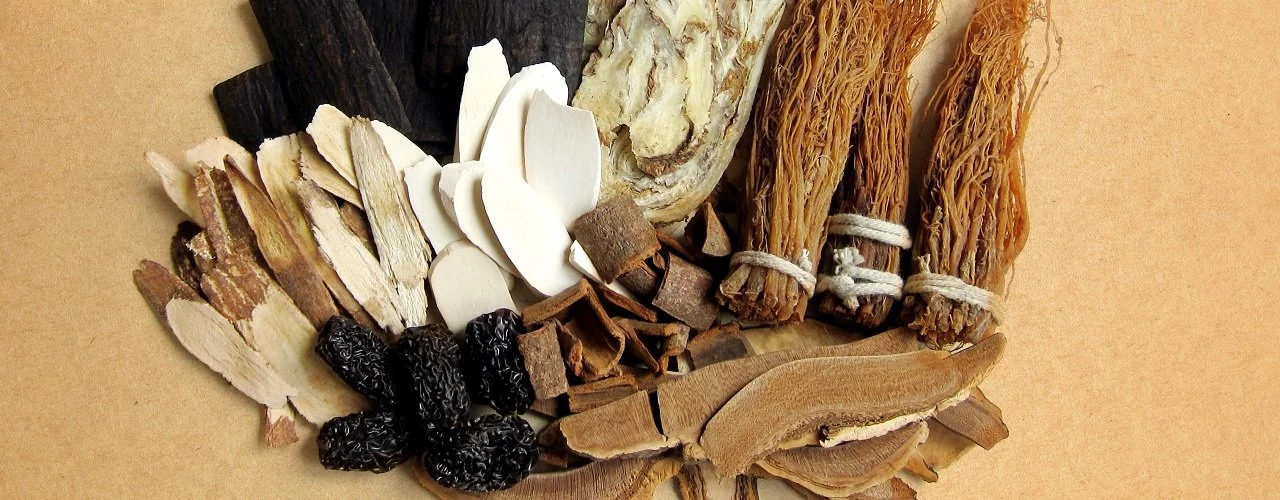
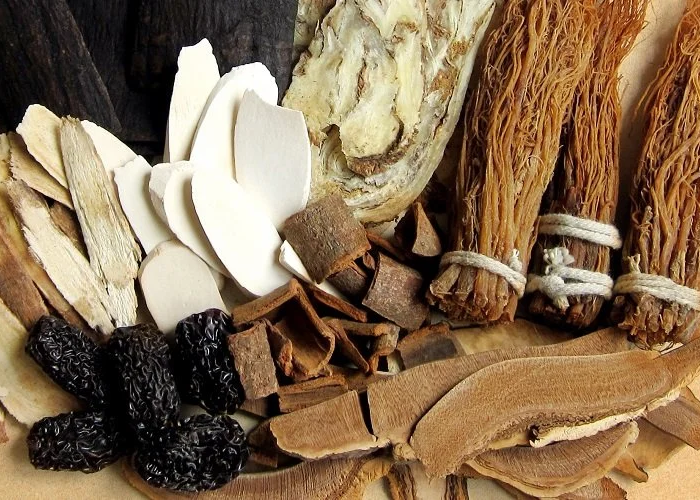
Explore the philosophical foundations of Traditional Chinese Medicine and how ancient principles guide herbal selection. Learn about Qi, yin-yang balance, the five elements, and pathogenic factors to deepen your herbal practice.
Traditional Chinese Medicine represents thousands of years of accumulated knowledge about human physiology, health patterns and the plants that support wellness. Rather than viewing the body as separate systems requiring isolated interventions, TCM recognizes everything as interconnected. Herbs aren’t chosen merely because they contain certain chemical compounds; they’re selected based on how they influence the body’s fundamental balance. This philosophical foundation transforms herbal practice from symptom management into genuine prevention and vitality cultivation. Understanding these underlying principles helps you work more effectively with herbs and appreciate why specific plants have remained valued across centuries.
The fundamental concepts of TCM provide a framework for understanding how herbs work and why certain combinations prove so effective. When you grasp these principles, using herbs moves beyond trial and error into informed, intentional practice. Rather than randomly combining plants and hoping for results, you understand the logic behind traditional formulations. This knowledge lets you work with practitioners more effectively, make better personal choices about which herbs suit your needs and appreciate why your herbalist recommends specific combinations. Herbs Direct, Inc. offers authentic herbs selected according to these classical principles.
The Concept of Qi and Vital Energy
At the heart of Chinese medicine sits the concept of Qi, sometimes translated as vital energy or life force. Rather than a mystical notion, Qi represents the functional capacity of your body and organs. When Qi flows freely and abundantly, you experience health, energy and resilience. When Qi becomes blocked, depleted or imbalanced, problems emerge. Many herbs work by either tonifying, meaning strengthening and building Qi or moving Qi when it becomes stuck. Understanding this framework helps explain why certain herbs restore energy while others address sluggishness or tension.
Different organs have different roles in the Qi system and certain herbs have particular affinity for specific organs. A kidney-tonifying herb strengthens your foundational vitality. A liver-moving herb helps resolve stagnation and supports smooth, uninhibited functioning. These aren’t metaphors but descriptions of how plants influence your body’s systems and energy patterns. When you understand which organs need support and which herbs address those specific organs, you can select more precisely targeted remedies. This systems-based approach often proves more effective than trying random herbs for vague symptoms.
Balance and the Theory of Yin and Yang
The yin-yang symbol represents one of the most important concepts in Chinese medicine. These opposite yet complementary forces must remain in balance for health to persist. Yin aspects include substance, moistening, coolness and internal nourishment. Yang aspects include function, warmth, activity and transformation. When yin becomes excessive, you might experience lethargy or depletion. When yang becomes excessive, you might feel restless or overheated. Health requires appropriate balance between these forces and herbal remedies address imbalances by supporting whichever aspect needs strengthening.
Many common health complaints reflect yin-yang imbalance. Dry skin might indicate yin deficiency requiring moistening, nourishing herbs. Restlessness or irritability might suggest yang excess needing cooling, calming support. Herbs Direct, Inc. provides diverse herbs that either tonify yin for those needing nourishment and substance or strengthen yang for those requiring activation and warmth. Understanding whether your particular situation needs yin or yang support helps you choose much more effectively.
The Five Elements Framework
Chinese medicine organizes physiology around five elements wood, fire, earth, metal and water. Each element corresponds to specific organs and systems, emotional states, flavors and seasons. The wood element connects to the liver and gallbladder, governing planning, decision-making and smooth energy flow. The fire element relates to the heart and small intestine, responsible for joy, consciousness and circulation. The earth element includes the spleen and stomach, managing digestion and stability. The metal element encompasses the lungs and large intestine, handling grief, letting go and immunity. The water element governs the kidneys and bladder, providing foundational vitality and willpower.
Each element has associated herbs that support its functions. When one element becomes imbalanced, it influences the entire system because the five elements interact and support each other in cycles. This explains why a digestive complaint might connect to emotional stress or why addressing one organ system often beneficially impacts seemingly unrelated issues. Herbal formulations often work within this framework, including herbs for multiple elements to restore overall balance. Herbs Direct, Inc.
The Six Pathogenic Factors
Traditional Chinese medicine recognizes that certain environmental and internal factors can disturb health. These include wind, heat, dampness, dryness, cold and summer heat. These aren’t just weather conditions but patterns affecting your body. Someone might catch a cold from wind exposure, develop inflammation from heat or experience sluggish digestion from excessive dampness. Herbs work by expelling these pathogenic factors, drying inappropriate moisture, warming cold patterns or cooling heat-related issues. Understanding which pathogenic factor is disturbing your health allows you to select herbs that directly address the underlying problem.
Many herbal formulas address pathogenic factors alongside tonifying depleted organ systems. For instance, a combination might both expel dampness and strengthen the spleen’s natural ability to process moisture. This dual approach prevents recurrence while addressing the acute issue. Herbs Direct, Inc. specializes in traditional formulations that recognize these various pathogenic patterns.
Herbal Actions and Classifications
Within TCM, herbs are carefully classified by their actions and properties. Some herbs are warming, others cooling. Some moistening, others drying. Understanding these qualities helps you select appropriate remedies. A warming herb benefits someone with interior cold, but would worsen a heat condition. A moistening herb supports someone with dryness, but might aggravate an already damp condition. This is why proper diagnosis, even informal self-assessment, matters before choosing herbs. The right remedy at the wrong time can prove counterproductive.
Herbs are also classified by the speed and depth of their action. Some work superficially and quickly, addressing acute issues. Others penetrate deeply and work slowly, suitable for chronic patterns. Some herbs are gentle tonics safe for long-term use, while others are more medicinal and best taken for specific periods. Understanding these distinctions helps you build sustainable herbal practices and know which remedies suit which situations.
Building Your Practice on Classical Foundations
The beauty of understanding Chinese medicine principles is that it connects you to thousands of years of refined knowledge. When you recognize that a specific herb addresses a particular organ or pathogenic pattern, you’re tapping into classical wisdom that has been proven effective across generations. You can trust traditional combinations because they’ve been tested across time and modified through experience. Rather than viewing yourself as a solo experimenter, you become part of a long lineage of herbal practitioners.
This knowledge also helps you communicate better with herbal medicine practitioners. When you understand the language of yin and yang, the five elements and pathogenic factors, you can describe your situation more accurately. Practitioners can then offer more precisely targeted recommendations. Whether you’re pursuing herbal wellness independently or working with a professional, understanding these fundamental principles elevates your practice significantly. Herbs Direct, Inc. provides the authentic, traditional herbs that work within these classical frameworks, allowing you to practice herbal wellness grounded in real wisdom and time-tested knowledge.
- Qi represents your body’s functional capacity and vitality, tonifying herbs strengthen it while moving herbs address stagnation.
- Yin and yang balance determines health, with deficiency requiring tonification and excess requiring reduction.
- The five elements framework connects organs, emotions, seasons and flavors, revealing how imbalance cascades through your system.
- Pathogenic factors like wind, heat and dampness disturb health in specific patterns, addressed through appropriately selected herbs.
- Understanding herbal properties like warming, cooling, moistening and drying helps match remedies precisely to your condition.