





Screens are useful. They can buy parents a quiet half hour, make a rainy afternoon easier, and provide plenty of entertainment. Still, most families do not want a tablet to become the automatic answer every time a child says, “I’m bored.”
The tricky part is offering an alternative that actually holds their attention.
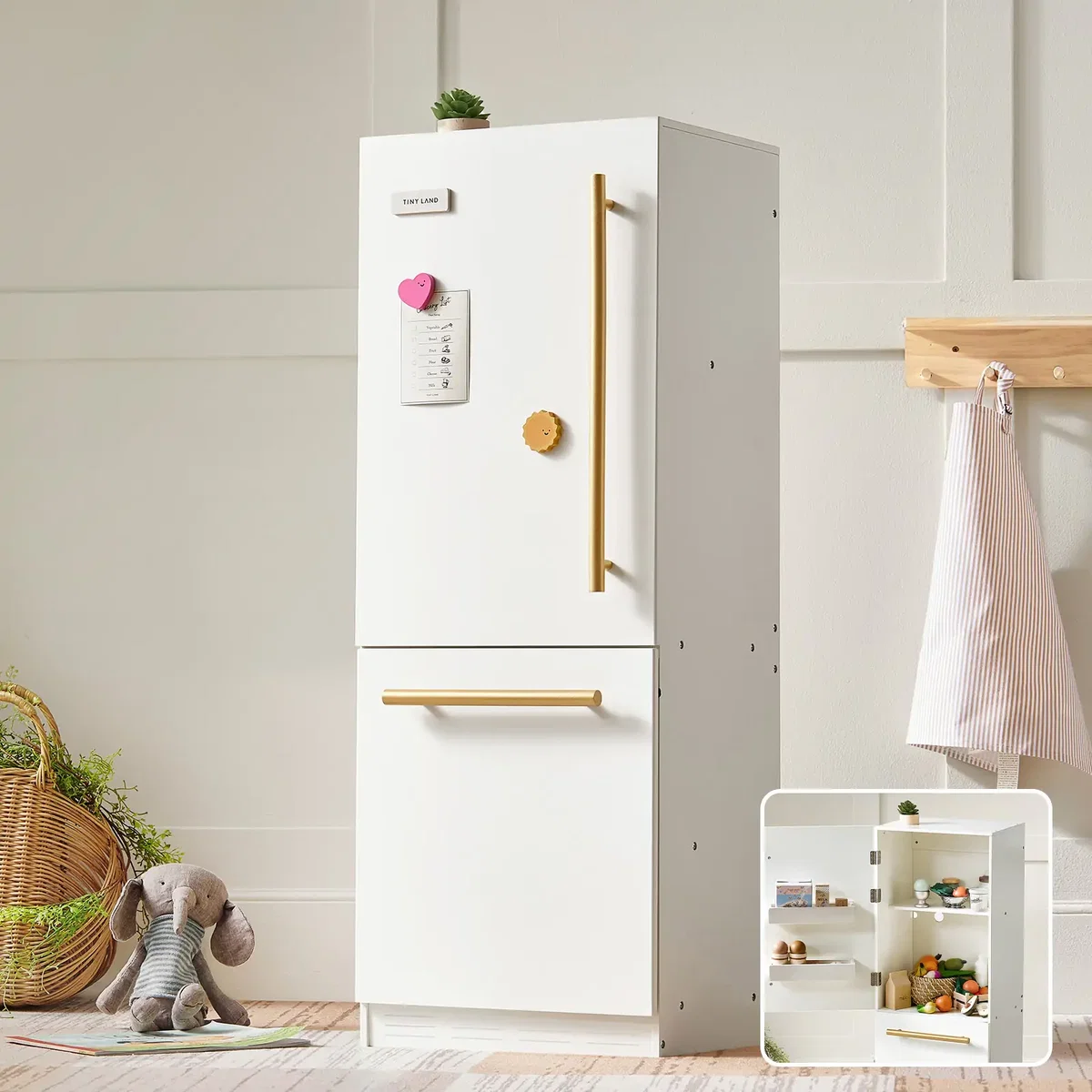
That is where Tiny Land has an interesting approach. Rather than trying to compete with screens through flashing buttons and constant noise, its toys give children something physical to explore. Kitchens invite role play, climbing equipment gets little bodies moving, and dollhouses leave the story completely open.
It is a much simpler kind of entertainment, but that simplicity is part of the attraction.
Screen-Free Play Needs to Be Genuinely Fun
Telling a child to put the tablet away is one thing. Giving them something they would rather do is another.
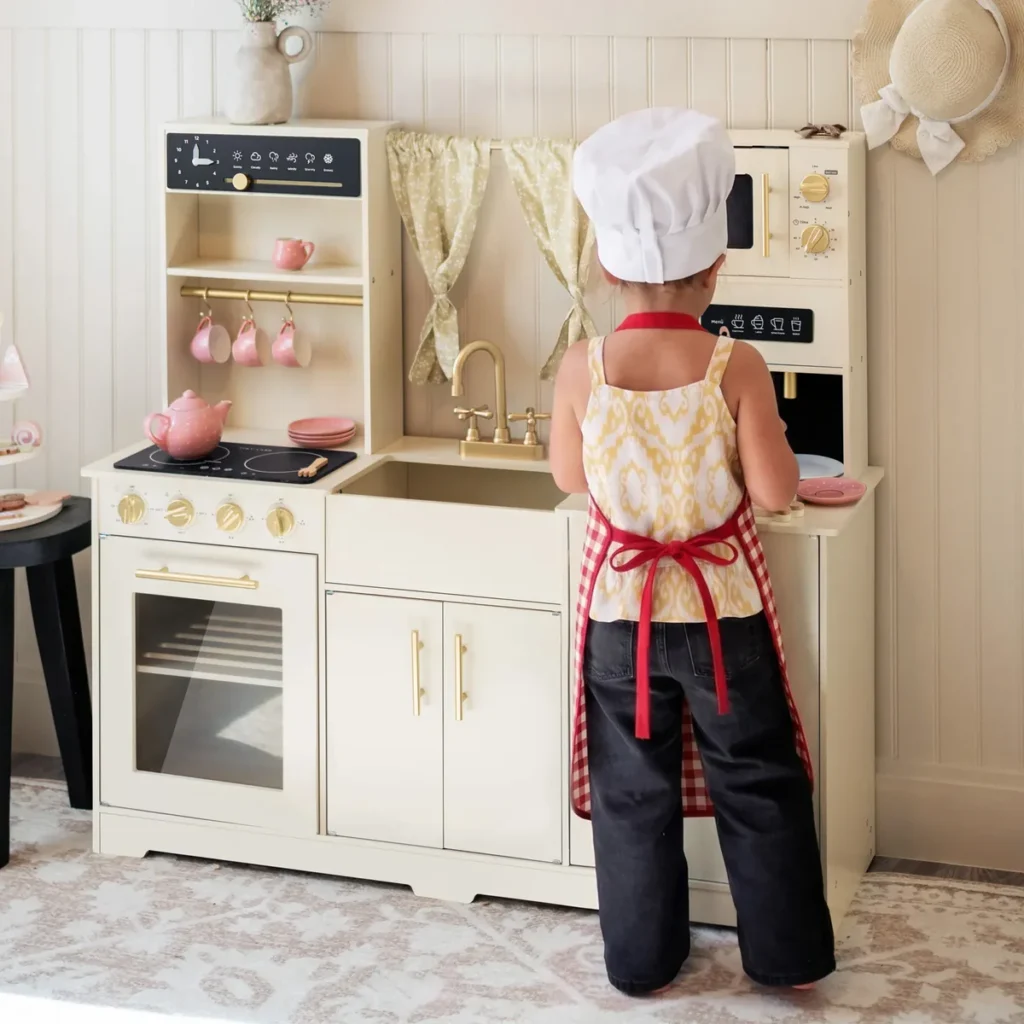
Good screen free toys need to offer enough freedom that children can make their own decisions. A toy kitchen works because there is no finish line. Kids can cook breakfast, open a café, feed their dolls, or spend twenty minutes rearranging wooden vegetables.
The entertainment comes from participation rather than watching.
That is especially useful at home, where the same toys need to survive hundreds of ordinary afternoons rather than provide one impressive unboxing moment.
A Rainy Afternoon Test
One useful way to judge a toy is to imagine a long afternoon indoors.
Would a child have several ways to use it?
A set of wooden toys can move between different games without needing instructions. Play food can become part of a kitchen, restaurant, shop, or picnic. Dollhouse figures can appear in completely unrelated stories. Building pieces can become whatever a child happens to need.
Tiny Land carries many products built around this kind of flexible play, including kitchens, dollhouses, train sets, easels, tents, and activity toys.
For parents, that versatility matters. Playroom space is valuable, and toys that can support several games tend to earn their place more easily.
Sometimes the Answer Is More Movement
Screen-free time does not always have to mean sitting quietly with a puzzle.
Young children often want the exact opposite.
Indoor climbing toys can turn unused floor space into somewhere children can move, balance, crawl, and create their own little challenges. Pikler-style sets and foam climbing pieces are particularly interesting because the activity is not dictated by a screen or electronic instructions.
Children decide what happens.
For energetic toddlers and preschoolers, that can make active indoor play feel like a real option rather than something parents suggest because the weather is bad.
Imagination Does More of the Work
There is something pleasantly ordinary about pretend play.
Children copy what they see. They cook dinner, put a doll to bed, sell groceries, build a train route, or invite everyone into a tent for an imaginary camping trip.
These games may look simple from the outside, but children are constantly making choices. They decide who is playing which role, what happens next, and how one object fits into the story.
A play kitchen is particularly good at creating those everyday scenarios because children already recognize the setting. There is very little explaining required before the game begins.

What Parents May Appreciate Too
Children are obviously the main audience, but adults still have to live with the toys.
Tiny Land puts noticeable attention into the appearance of many of its products. Its wooden kitchens, dollhouses, tents, and kids furniture tend to have a softer, home-friendly look.
That can matter when the play area shares space with a living room or bedroom. Not every family has a separate room where toys disappear behind a closed door.
There is also a broad selection for different ages, including baby products and toddler toys as well as options for preschoolers and older children. This makes it easier to build screen-free activities around what a child currently enjoys rather than expecting one type of play to suit every stage.
Giving Boredom Somewhere to Go
Reducing screen time does not require making screens the enemy. A more realistic approach is simply making the alternatives worth choosing.
A child who has somewhere to climb, a kitchen full of imaginary ingredients, a dollhouse waiting for another story, or an easel ready for a new picture already has somewhere for that restless energy to go.
That is what makes Tiny Land appealing for families interested in more hands-on play at home. The toys do not try to entertain children every second. They provide the setting, then leave space for children to take over.
And sometimes that is exactly what keeps a screen switched off a little longer.