





Learn how to build a meaningful watch collection from the ground up. Explore collecting philosophy, choosing your first watch, building strategic variety, and maintaining your timepieces with expert guidance.
A microfiber towel looks simple, but the way it is used can determine whether a detailing session leaves a crisp finish or a haze of fine marks. Many drivers focus on the bottle in their hand and treat the towel as an afterthought. In reality, the towel is the part that physically touches the surface, collects contamination and spreads or removes the product. Its condition, cleanliness and movement therefore matter just as much as the liquid being applied.
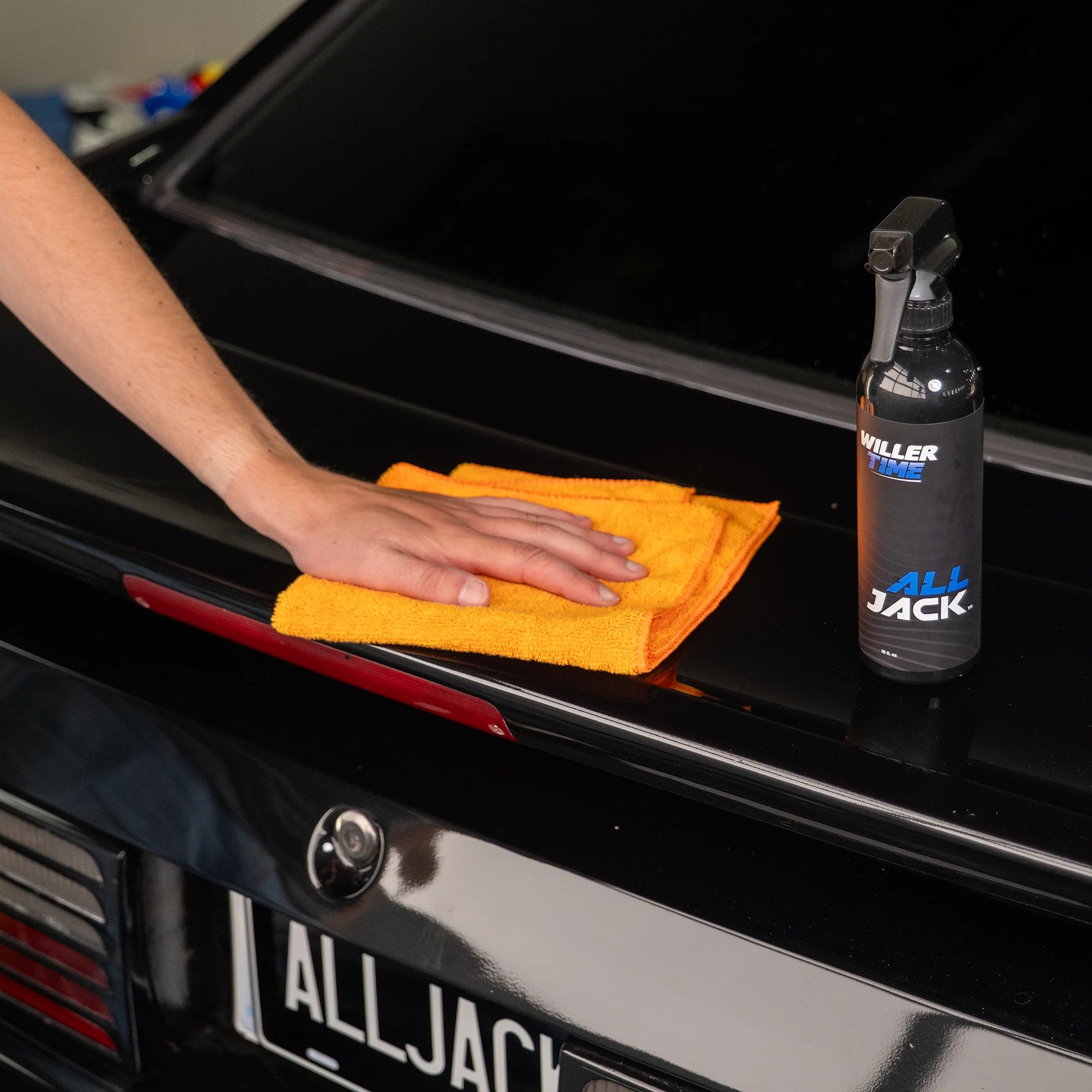
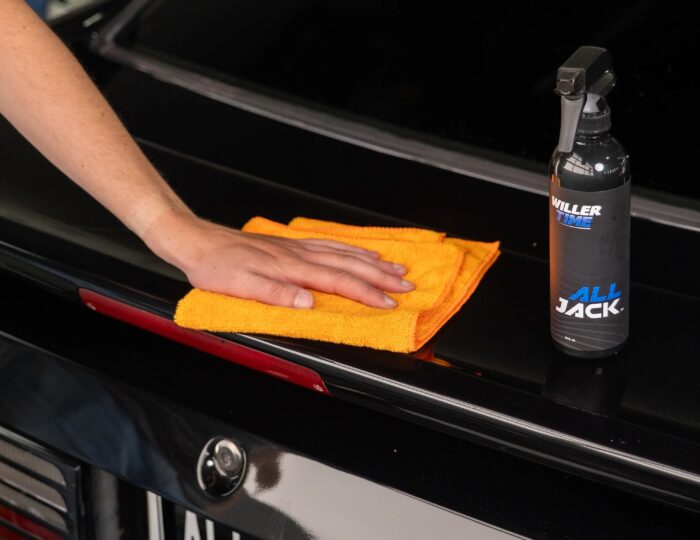
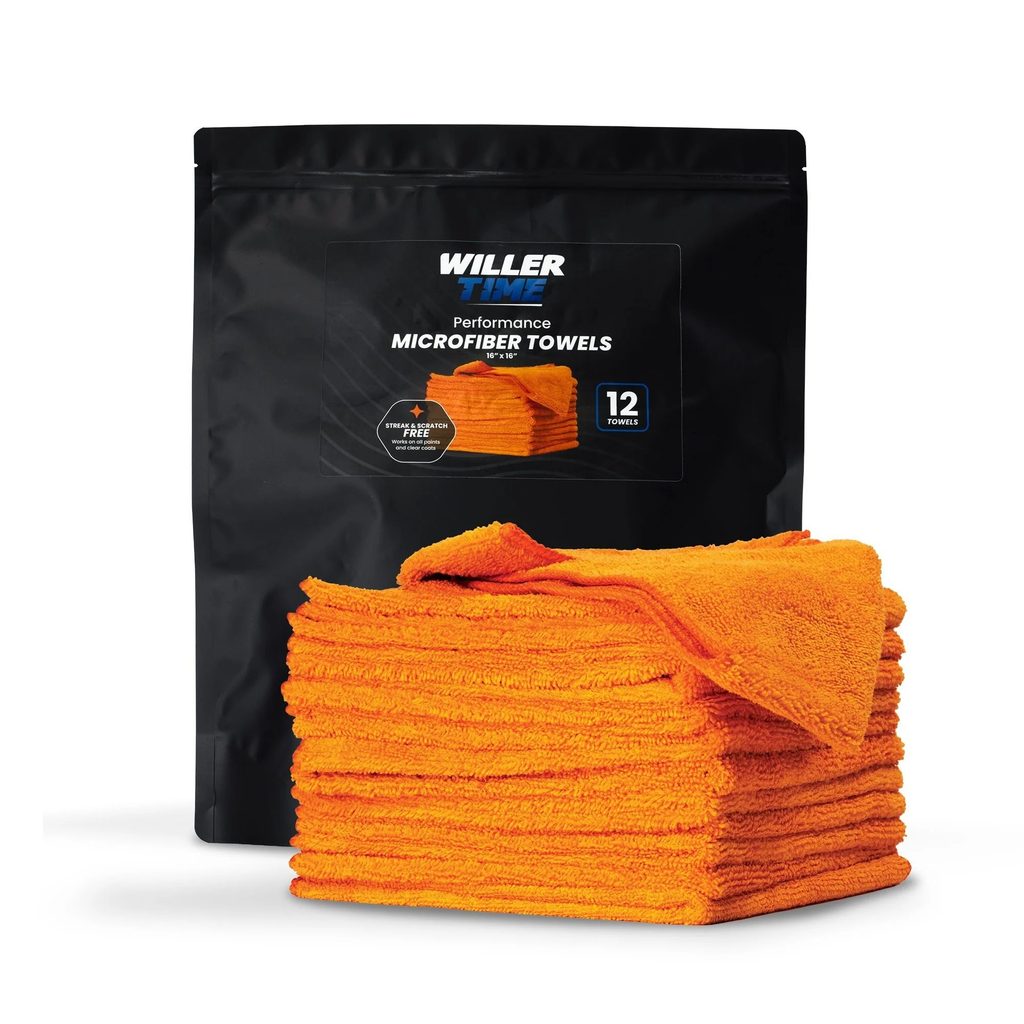
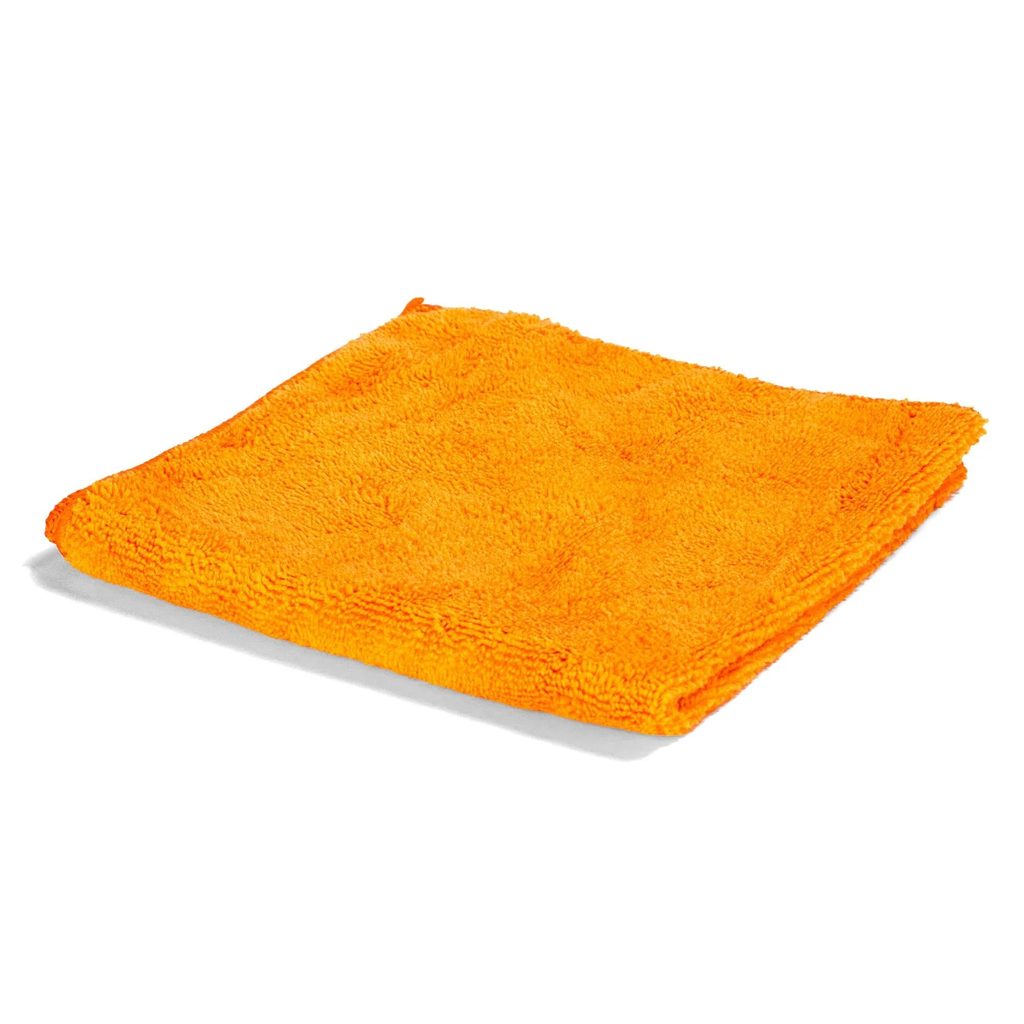
That is one reason Willertime pairs its car-care spray with dedicated microfiber towels. The brand sells 16-by-16-inch towels designed for paint, interiors, glass, trim and other detailing tasks. The important point is not that every driver needs one specific towel. It is that good microfiber technique turns a basic tool into a controlled part of the detailing process rather than a random cloth grabbed from a shelf.
Clean Fibers Are the First Line of Defense
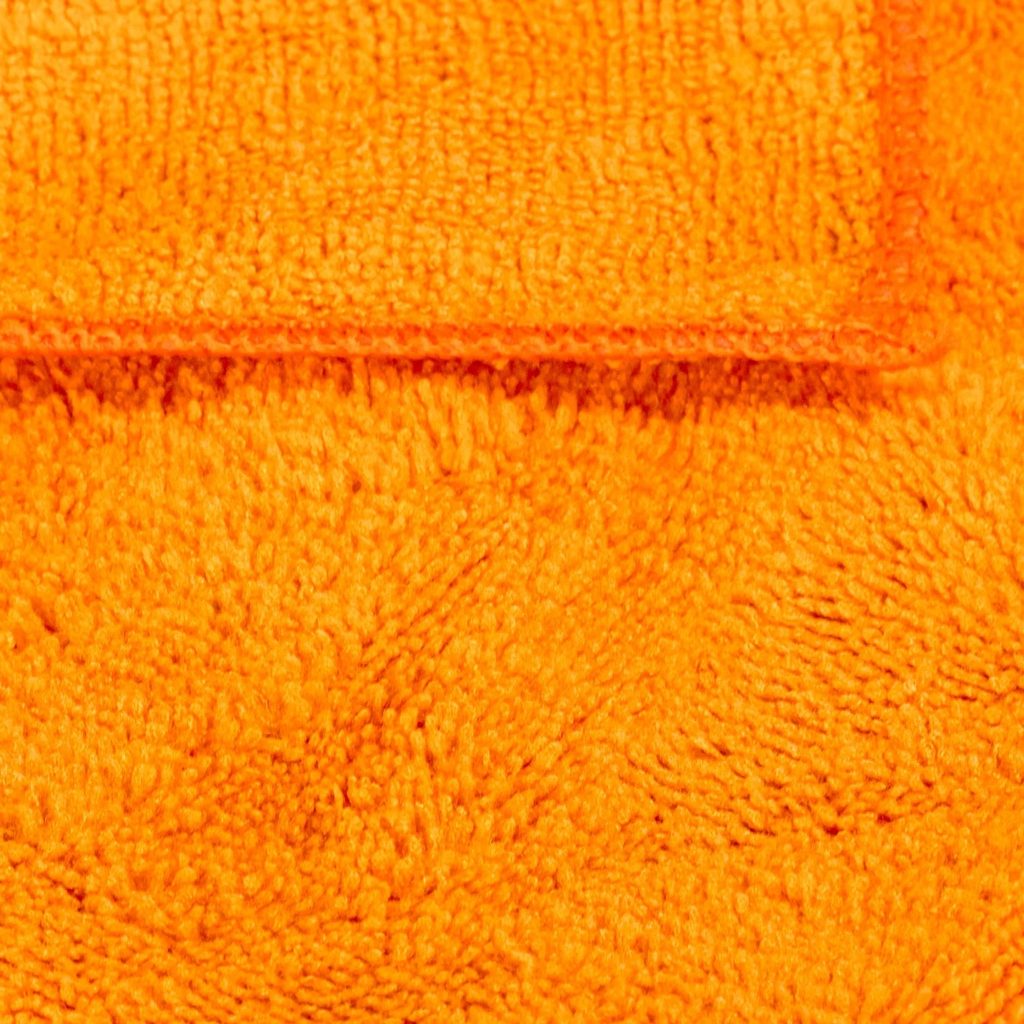
Microfiber works because thousands of fine fibers create a large contact area that can pick up dust, moisture and product residue. Those same fibers can also hold grit if the towel is dirty. Once contamination becomes trapped in the cloth, pressure can drag it over paint and create marks. A towel that looks only slightly used may already be unsuitable for delicate surfaces if it has touched wheels, lower body panels or the garage floor.
A disciplined system is therefore based on separation. Towels for paint stay with paint. Wheel towels remain wheel towels. Interior cloths can be kept apart from exterior ones, especially if dressings or oily products are used. Willertime offers its microfiber towels in a 12-pack, which makes sense for this kind of rotation because a driver can switch to a fresh cloth before the current one becomes overloaded.
Folding Creates More Clean Working Surfaces
One of the easiest improvements is to fold a square microfiber towel into quarters. That creates multiple working faces and gives the hand more control over the cloth. Instead of bunching the towel into a ball, the driver can wipe with a flat section, inspect it and then flip to a clean face. The method also reduces the temptation to continue wiping with a visibly dirty area.
During a light detail, the first towel face can lift the initial residue and the next clean face can refine the finish. A separate dry towel can then perform the final buff. Willertime recommends a similar two-stage approach with All Jack, using microfiber for the first wipe and a clean dry side or second towel to finish the surface. The process reduces repeated passes and helps prevent product from being smeared around after it has already done its job.
Pressure Should Stay Light
More force rarely makes a quick-detail session better. Heavy pressure pushes particles into the surface and can flatten the towel fibers, reducing their ability to collect contamination. Light pressure is usually enough when the product and surface condition are appropriate. If a mark requires aggressive rubbing, the driver should question whether a different cleaning method is needed.
A good microfiber routine can follow a few simple rules.
- A fresh towel face should be used as soon as the current one shows visible contamination.
- Paint and wheels should not share the same towel during the same detailing session.
- Light pressure should replace repeated hard scrubbing on delicate glossy surfaces.
- One towel can handle the initial wipe while another clean dry towel performs the final buff.
- Dropped towels should be removed from paint duty until they have been properly washed and inspected.
These habits are inexpensive, but they can prevent many of the defects that later require polishing to correct. Willertime markets its orange microfiber towels as soft, absorbent and suitable for paint, trim, glass and interior work, yet the towel still depends on the user maintaining it properly.
Laundry Habits Decide How Long Towels Stay Useful
A microfiber towel does not stay safe forever simply because it was purchased as a detailing product. Detergent residue, fabric softener, high heat and embedded debris can reduce performance. Towels should be washed separately from lint-producing cotton when possible, and fabric softener should be avoided because it can coat the fibers. Moderate drying conditions help preserve the structure that makes microfiber effective.
It is also useful to retire towels gradually. A cloth that no longer feels ideal for paint can move to less sensitive work such as wheels, door jambs or general garage cleanup. This creates a simple hierarchy instead of throwing away every towel at the first sign of wear. With enough towels in rotation, a driver can maintain that hierarchy without feeling forced to reuse a questionable cloth on a delicate surface.
The broader detailing philosophy promoted by Willertime is based on keeping the process simple and repeatable. Microfiber technique supports that goal because the same few habits work across many maintenance tasks. Clean cloths, clear roles, light pressure and frequent towel changes make each pass more predictable.
The Towel Is Part of the System
Detailing results often get attributed entirely to the chemical product, but the final surface is shaped by the whole system. The spray provides lubrication or cleaning action, the towel makes physical contact and the user’s technique controls how much pressure and contamination move across the finish. Ignoring any one of those elements weakens the result.
That is why a simple detailing kit can still benefit from careful habits. A bottle of detail spray and a stack of microfiber towels may look uncomplicated, but they become much more effective when the user knows how to inspect the surface, choose a clean towel face and stop before a light touch-up turns into risky wiping. Good microfiber technique is not glamorous, yet it is one of the easiest ways to make routine car care safer, faster and more consistent.