




Some toys are exciting for a weekend and forgotten by the following month. Others quietly become part of the house. They sit in the corner of the playroom, get pulled into completely different games, and somehow stay interesting even after the novelty wears off.
That second category is where Tiny Land seems to have found its place.
Instead of filling its range with toys built around one specific way to play, the brand offers everything from kitchens and dollhouses to climbing sets, baby walkers, tents, and easels. The common thread is fairly simple: give children something they can actually do something with.
A Playroom That Invites Kids to Make Something Up
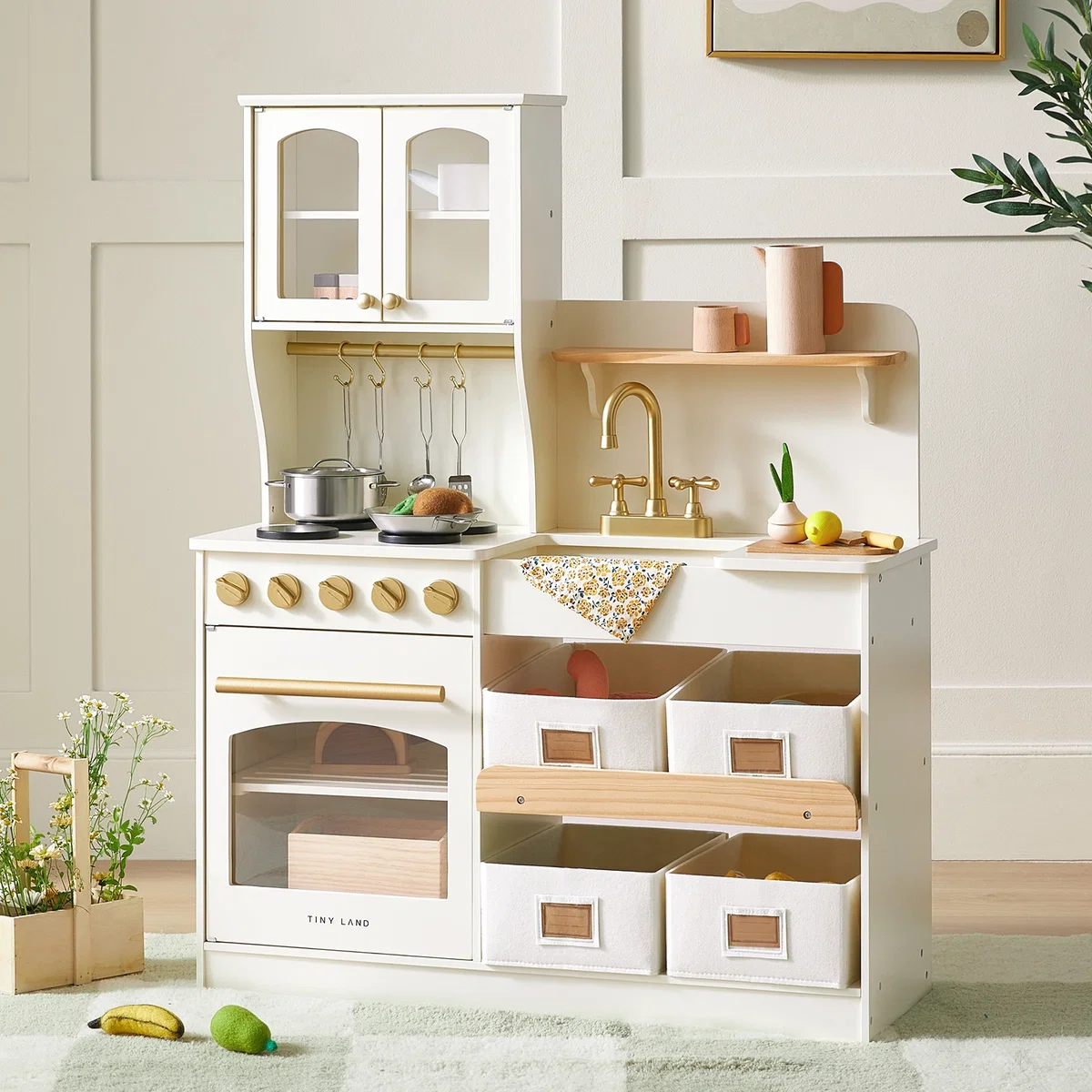
Watch a child with a toy kitchen and the game rarely stays limited to cooking. Breakfast becomes a restaurant, the restaurant becomes a shop, and five minutes later someone is serving wooden strawberries to a stuffed rabbit.
That flexibility is a big part of the appeal of pretend play toys.
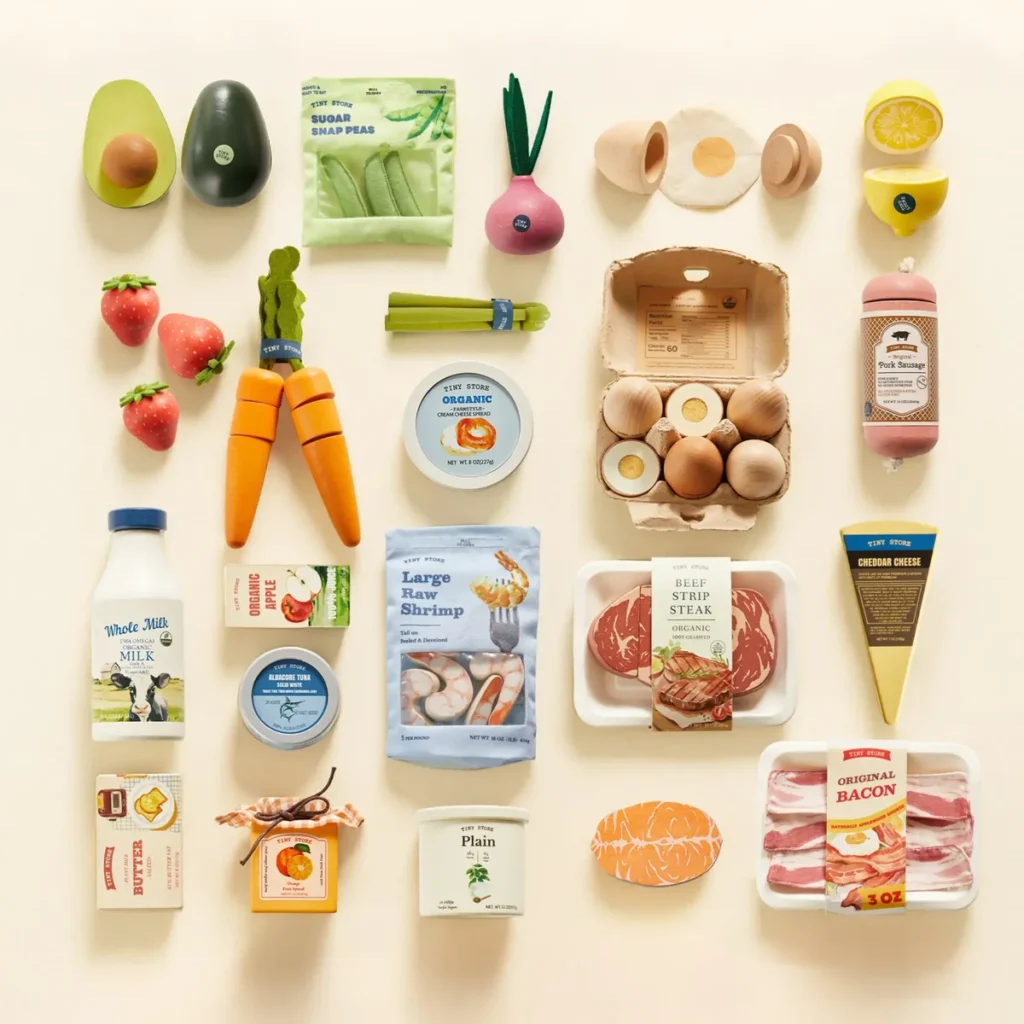
Tiny Land has leaned heavily into this kind of open-ended play. Its current range includes play kitchens, wooden food, dollhouses, grocery store sets, train sets, and doctor kits. These are familiar ideas, which is actually useful. Children already understand the basic setting, so they can get straight into inventing their own version of it.
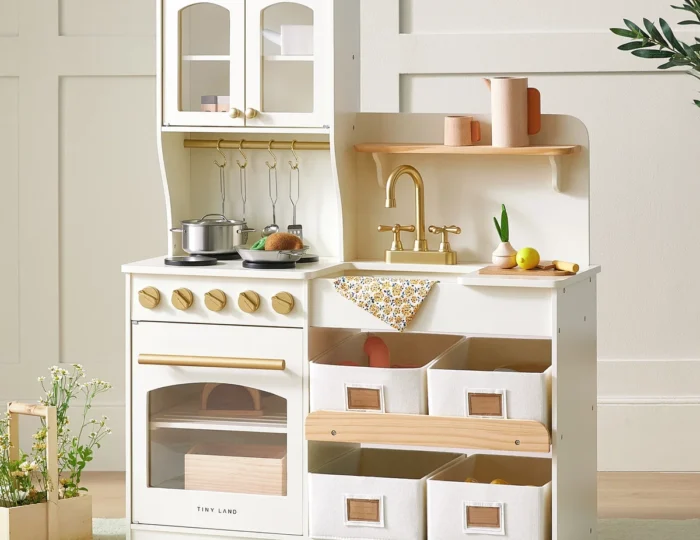
The brand’s play kitchens are a good example. Some models include storage, while the wider collection includes kitchen accessories and wooden food. Tiny Land describes its kitchens as Montessori-inspired and designed to encourage language development and hands-on learning through play.
The Toys Don’t All Ask Kids to Sit Still
A family playroom has to work for different moods. There are quiet afternoons when a dollhouse makes perfect sense, and there are mornings when a toddler would rather climb over every cushion in sight.
Tiny Land covers both sides surprisingly well.
Its active range includes Pikler triangle sets, foam climbing blocks, play tunnels, stepping stones, and easels. For parents interested in climbing toys, that makes the collection feel less like a traditional toy shelf and more like equipment for creating an indoor play space.
The 7-in-1 Montessori climbing set, for instance, is intended for ages one to five and is designed around active play, movement, and physical development.
That sort of product can earn its floor space because it is not tied to a single game.
Wooden Toys Still Have a Particular Charm
There is also a visual side to choosing toys for a shared family space. Parents may care about what encourages good play, but they are still the ones looking at the playroom every day.
This helps explain the lasting appeal of wooden toys. They often feel more at home alongside regular furniture than brightly themed plastic toys.
Tiny Land carries wooden play food, activity walkers, dollhouses, kitchens, and other play pieces. The designs feel suited to families who want the playroom to remain playful without looking completely disconnected from the rest of the home.
There is a practical benefit too. A wooden dollhouse or kitchen can become a permanent playroom fixture rather than something that needs to be packed away after every game.
There Is Something for Different Stages
One reason families can keep returning to the same brand is that children’s needs change quickly.
A baby may start with Montessori toys or an activity walker. A toddler might become more interested in climbing and pretend cooking. A preschooler may spend longer creating elaborate stories with a dollhouse or train set.
Tiny Land organizes products for babies, toddlers, preschoolers, children aged six and over, and cross-age play. That makes it easier to find something appropriate without abandoning the same general play philosophy as a child gets older.
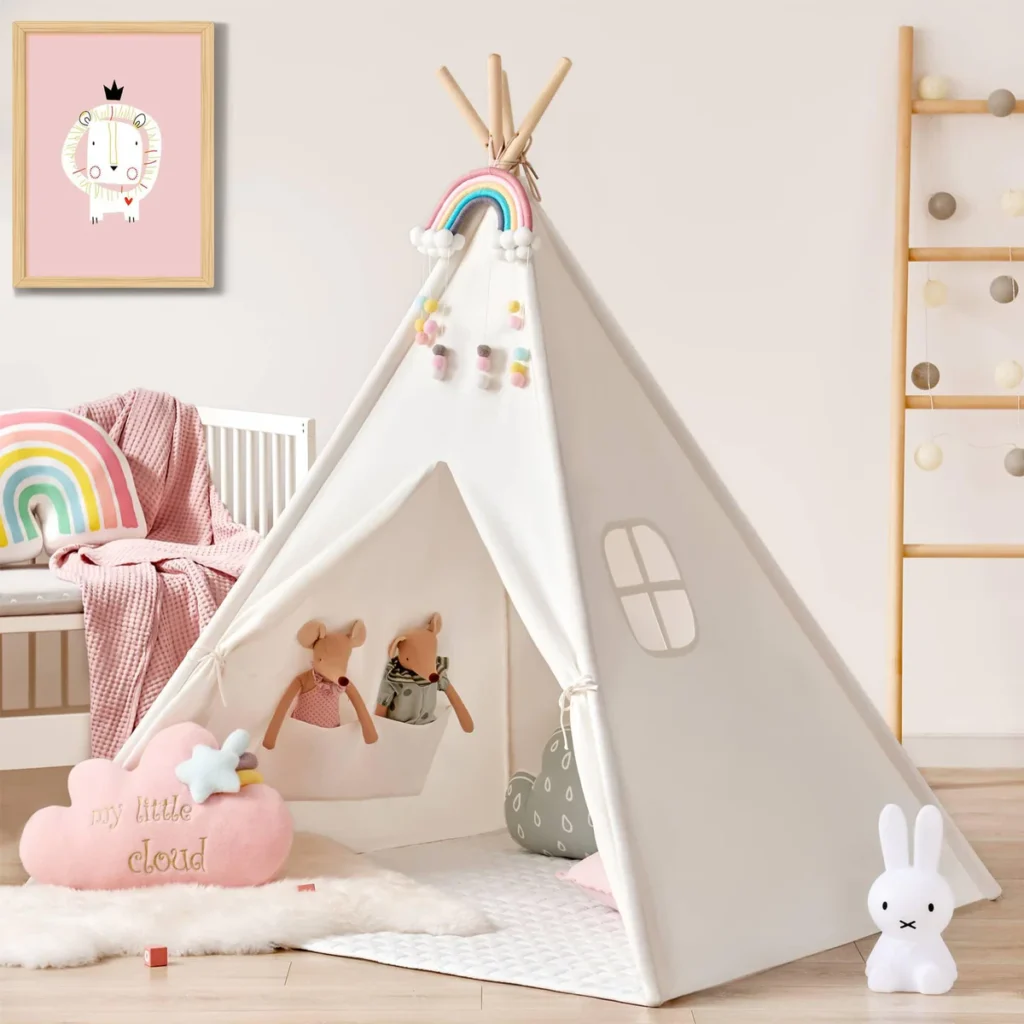
Even kids furniture fits into the picture, with tents, chairs, and playmats extending the playroom beyond conventional toys.
Why These Toys Tend to Stick Around
The most useful playrooms are rarely the ones with the largest number of toys. They are the ones where a handful of things can inspire ten different games.
That is ultimately what makes Tiny Land interesting for family playrooms. The products are varied, but many leave enough room for children to decide what happens next.
A kitchen can become a café. A tent can become a reading corner. Climbing blocks can turn into an obstacle course. A dollhouse can host a completely new story every afternoon.
For parents trying to choose toys that have a better chance of being played with beyond the first burst of excitement, that flexibility is a pretty convincing place to start.