


Weekend camping sounds simple until Friday afternoon arrives. You finish work, pack the vehicle, check the weather for the fifth time and somehow spend another hour deciding what gear actually needs to come along.
For regular campers, convenience starts to matter almost as much as the destination. Nobody wants half of a short weekend disappearing into setting up and packing down camp. This is one reason TOPOAK has an interesting place in the overlanding space. Its rooftop tents and supporting camping equipment are designed around making vehicle-based trips feel more organized and comfortable.
And for people who camp regularly rather than once every summer, those practical details count.
Weekend Campers Have Different Priorities
A two-night trip does not leave much room for wasted time. If you reach camp on Friday evening, you want to settle in, eat something and enjoy being there.
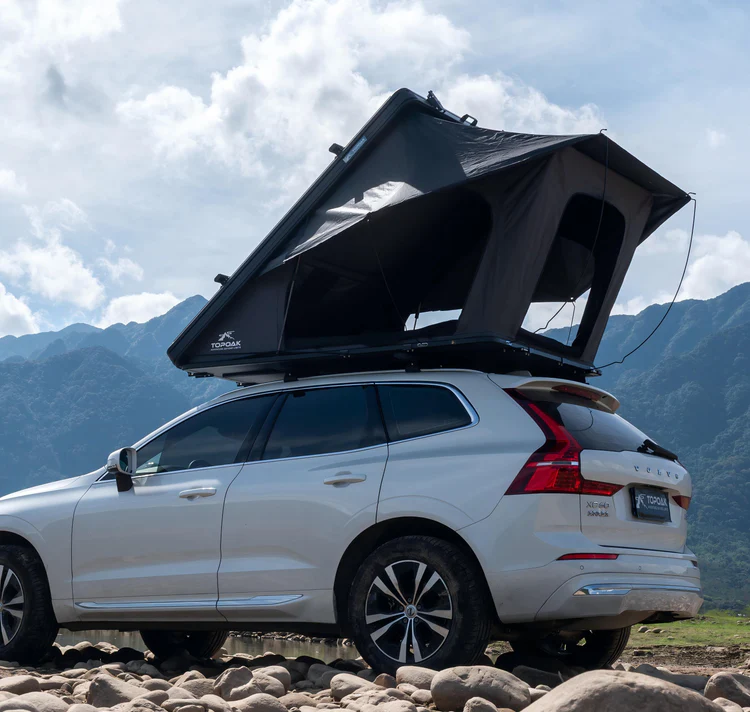
A hard shell tent suits that style of travel particularly well. Instead of unpacking a traditional tent from the boot and building a sleeping area from scratch, the shelter stays mounted on the vehicle.
That convenience can also make spontaneous trips more realistic. When a large part of your sleeping setup is already attached to the car, heading away for a weekend feels like less of a project.
There Isn’t Just One Kind of Rooftop Camper
One thing TOPOAK gets right is recognizing that rooftop campers do not all travel the same way.
Some people want the lightest practical setup. Others care about interior room because they travel with a partner, children or a lot of equipment. Some spend most of their time camping in mild weather, while others need something capable of handling less predictable conditions.
That explains why the range includes different designs rather than a single flagship tent trying to suit everyone.
The Galaxy Light, for example, focuses on keeping weight down, while larger models provide more sleeping room. The Nebula takes things further toward four-season use with features designed for changing weather conditions.
For anyone building an overland setup, having those choices is useful. The right tent is not necessarily the biggest one. It is the one that suits the vehicle and the trips you actually take.
The Details You Notice After a Few Trips
Product specifications are easy to compare at home. Actual camping has a habit of revealing what really matters.
A few things become important surprisingly quickly:
- A comfortable foam mattress when you have spent the entire day driving or hiking.
- Useful ventilation when the temperature changes overnight.
- Interior pockets that stop keys, phones and small items disappearing into bedding.
- Reliable weather protection when the forecast turns out to be wildly optimistic.
These are not especially exciting features to discuss around a campfire, but they are often the difference between equipment you enjoy using and equipment you eventually leave at home.
Integrated lighting is another good example. Having LED lighting inside the sleeping space sounds minor until you are trying to find a charger in the dark without waking everyone else.
A Rooftop Tent Is Only Part of the Campsite
Once people start camping more regularly, their setup usually evolves.
The first goal might simply be getting a comfortable place to sleep. After several weekends away, shade, seating, storage and usable outdoor living space start becoming more important.
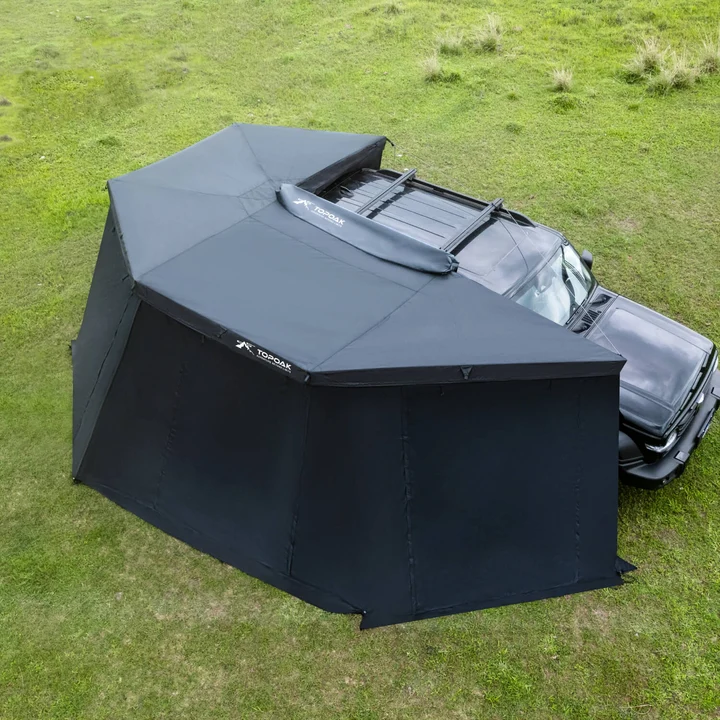
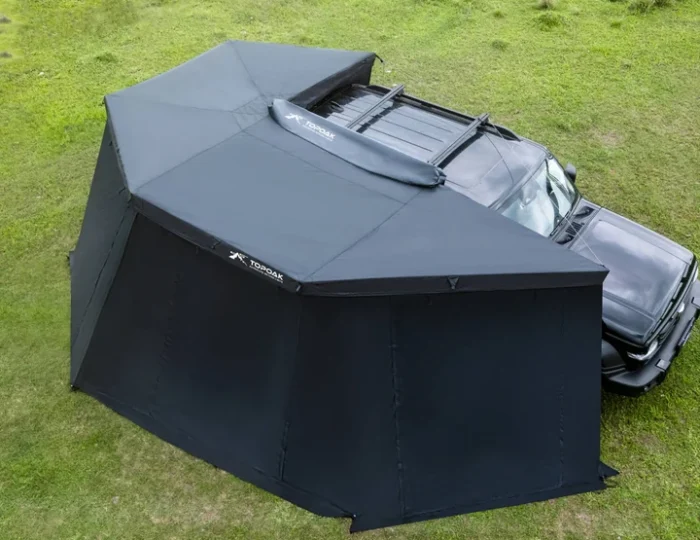
TOPOAK extends beyond tents into awnings, annex rooms, lighting, water storage and other camping equipment. That makes sense because vehicle camping works better when individual pieces of gear support the same routine.
An overland awning, for instance, can create somewhere sheltered to cook, sit or escape strong sun without requiring another complicated structure.
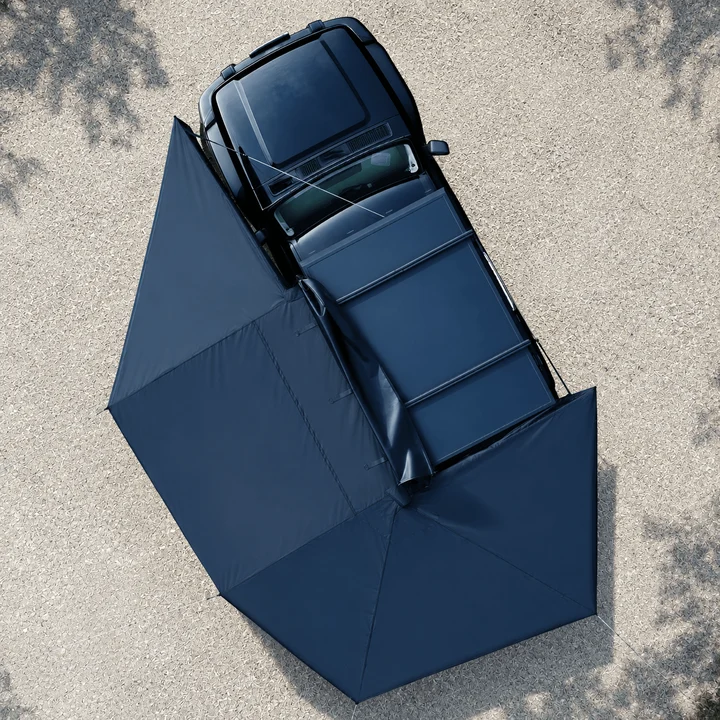
Likewise, sensible camping accessories can solve small problems without filling every available corner of the vehicle.
Think About Your Car Before Your Campsite
There is a less exciting conversation that needs to happen before buying any rooftop tent: what can your vehicle safely support?
Tent weight, roof capacity and crossbar compatibility all matter. A lightweight option might make more sense for one vehicle, while another can accommodate a larger sleeping system.
It is worth checking those figures carefully instead of choosing purely by interior dimensions or appearance. Your roof rack system is part of the setup, not an afterthought.
Why Regular Campers May See the Appeal
People who camp often tend to become ruthless about unnecessary hassle. Gear has to earn the space it occupies, especially when the trip only lasts a couple of nights.
That is where TOPOAK becomes worth a closer look. The appeal is not simply sleeping above the ground. It is having a campsite that can feel easier to manage, more comfortable at night and better suited to frequent road trips.
When weekends are short, spending less time wrestling with camp and more time actually enjoying where you parked is a pretty convincing argument.