




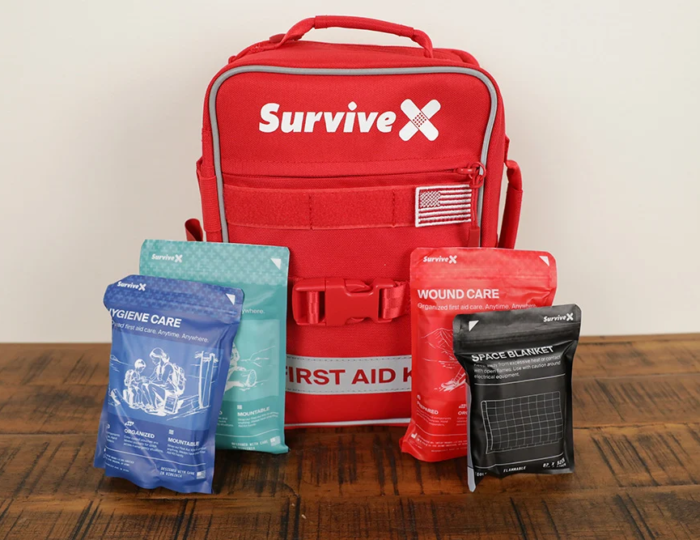
Professional first aid kits equipped in workplaces demonstrate commitment to employee safety and ensure that teams can respond effectively to medical emergencies.
Every workplace hazard presents a potential injury risk. Whether your business operates in an office, warehouse, construction site or mobile operation, being prepared for medical emergencies isn’t just prudent management, it’s a legal and ethical responsibility. When an employee sustains an injury, the response time and quality of initial care can significantly impact recovery. A comprehensive workplace first aid kit, stocked with professional-grade supplies and situated where staff can access it instantly, transforms your workplace culture from reactive to proactive.
The Business Case for Professional First Aid Preparedness
Employers who invest in professional first aid capability demonstrate genuine concern for employee welfare. This commitment reduces workplace anxiety, increases employee confidence and often improves retention. When team members know their employer maintains professional-grade first aid supplies and that staff is trained to use them, they feel safer and more valued. Beyond the human benefit, workplace injury preparation reduces liability exposure and may even lower insurance premiums by demonstrating a commitment to safety protocols.
The financial argument is straightforward. A single workplace injury mishandled due to inadequate first aid supplies can result in worker’s compensation claims, potential lawsuits and temporary loss of productivity. Having the right supplies on hand costs far less than managing the aftermath of a preventable complication. Survive X US provides workplace kits specifically designed for job sites and team environments where multiple people work and injury risk is constant.
Understanding Different Workplace Injury Scenarios
Different workplaces face different risks. Office environments typically see lacerations from paper cuts, eye irritation from computer work, headaches and minor sprains. Retail and hospitality settings experience burns from equipment, lacerations from broken merchandise and stress-related minor incidents. Construction and manufacturing environments involve higher-severity trauma risks. Your workplace first aid kit must address the actual injuries most likely to occur in your specific environment while also maintaining supplies for unexpected serious incidents.
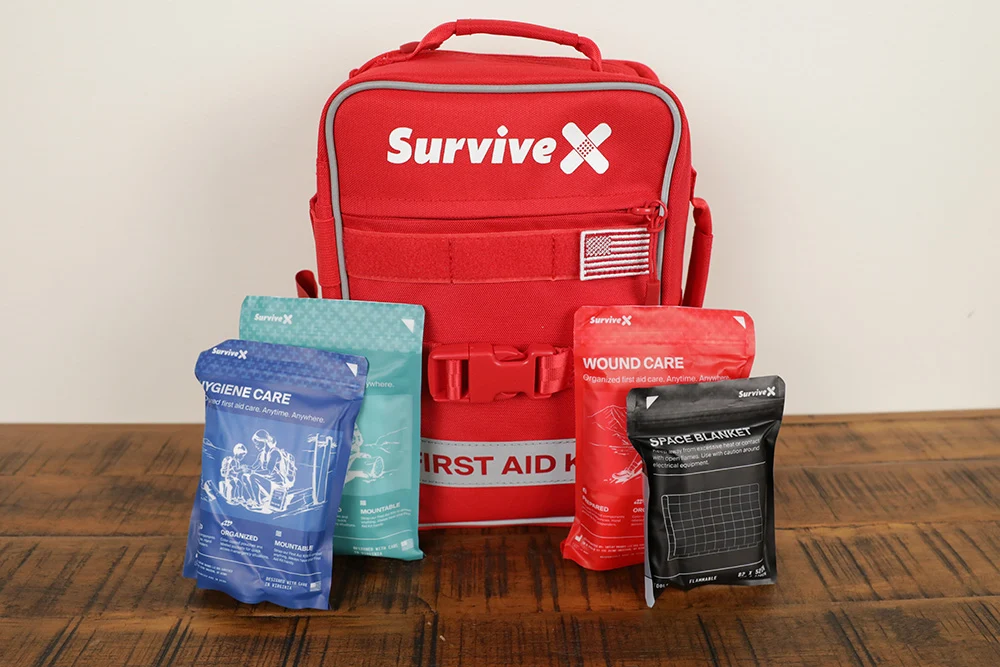
A comprehensive workplace kit includes supplies for all these scenarios. Burn treatments address kitchen and equipment-related injuries. Trauma supplies like wound closure systems and trauma shears handle serious lacerations. Splinting materials stabilize sprains and minor fractures. Pain relief, antihistamines and anti-nausea medications address common workplace discomfort. When your team has access to professional supplies organized by injury type, they can provide immediate care that prevents complications and reduces pain while awaiting professional medical evaluation. Survive X US large professional kits are designed specifically to cover five to six people with trauma-grade supplies.
Organization and Accessibility in Workplace Settings
In a workplace, a first aid kit is only valuable if employees can locate it instantly during an emergency. A large, clearly marked, accessible kit with color-coded sections allows any trained employee to find the right supply in seconds. Workplace kits should be mounted on walls or stored in common areas where everyone knows their location. During a medical emergency, confusion about where supplies are located costs valuable seconds.
Color-coded organization becomes even more critical in workplace settings where multiple people might need to access supplies. One employee might not have used the kit before, but a clear visual system means they can find burn treatment, trauma supplies or medications based on color and label rather than trial and error. Professional first aid kits eliminate this friction. Everyone on your team, regardless of experience level, can function effectively in an emergency because the kit itself guides them to the right supplies. Survive X US makes accessibility a core design principle.
Building a Culture of Safety and Preparedness
Providing professional first aid supplies sends a message to your team. You’re investing in their safety and demonstrating that your organization takes injuries seriously. This psychological benefit extends beyond the immediate value of having supplies available. Employees feel supported and valued. Team members become more engaged with workplace safety protocols generally, becoming more alert to hazards and more willing to report risks. A workplace with professional first aid capabilities naturally develops a stronger safety culture.
This cultural shift has tangible benefits. More engaged employees report safety concerns earlier, preventing injuries before they occur. Team members feel empowered to help colleagues during emergencies. Overall workplace morale improves. When you stock your workplace with professional-grade supplies from Survive X US, you’re investing not just in medical preparedness but in the psychological foundation of workplace safety culture.
Key Workplace First Aid Kit Components
- Trauma supplies including wound closure systems and trauma shears designed to cut through work clothing and tough materials.
- Burn treatment gel and specialized wraps for kitchen, manufacturing and equipment-related heat injuries.
- Color-coded organization and clear labeling allowing quick location of supplies during high-stress situations.
- Splinting materials and elastic bandages for sprains and minor fractures common in workplace settings.
- Over-the-counter medications including pain relievers, antihistamines, anti-nausea treatments and antacids for common workplace ailments.
Regulatory Compliance and Legal Protection
Many jurisdictions require workplaces to maintain first aid supplies. OSHA and local health departments specify minimum requirements for workplace medical preparedness. Having a professional first aid kit demonstrates compliance with these regulations and protects your organization from potential liability. When an injury occurs and your workplace had inadequate supplies, the resulting legal exposure far exceeds the cost of a professional kit.
Beyond regulatory requirements, having professional supplies on hand creates documentation of your workplace’s commitment to employee safety. In the unfortunate event of a workplace injury and subsequent legal proceedings, demonstrating that your organization maintained professional-grade first aid capabilities strengthens your liability position. This documentation matters. Survive X US kits come with documentation proving your preparedness, which becomes valuable evidence of due diligence.
Maintenance and Supply Replacement
A workplace first aid kit is only effective if supplies remain fresh and complete. Professional-grade kits are designed for durability and easy maintenance. When supplies are used, they’re straightforward to replace without replacing the entire kit. Regular audits of your kit, perhaps quarterly or semi-annually, ensure that expiration dates remain current and that all critical supplies are in stock. Professional kits use clear labeling and organization that makes these audits simple.
Your workplace benefits from having multiple locations with supplies if your operation is large or spread across multiple areas. A central first aid kit in a main office works for office injuries, but construction sites or warehouse areas benefit from satellite kits positioned nearby. Survive X US offers different kit sizes allowing you to maintain comprehensive coverage across your entire operation while maintaining consistent quality and organization standards everywhere.
Workplace medical preparedness reflects organizational values. When you equip your team with professional first aid supplies, you’re communicating that you take employee safety seriously, that you’re prepared for emergencies and that you’re invested in your team’s wellbeing. This investment pays dividends in employee satisfaction, safety culture, legal protection and ultimately, a workplace where injuries are handled calmly and effectively.